
Onchain perp margin budget
Your margin budget is the buffer between a sharp wick and a liquidation. It is not just a number in a dashboard; it is the physical space you leave yourself to survive volatility. In onchain perpetual markets, this space is defined by three hard constraints: the price of the asset, the age of the position, and the condition of your collateral.
Think of your margin like the suspension on a car. If you drive over a bump (price volatility) with stiff, low-profile tires (high leverage, isolated margin), you will crash. If you use wider tires (cross margin) and allow more travel (lower leverage), you absorb the shock. The "condition" of your collateral matters too. If your margin asset is volatile (like ETH while you trade ETH), your buffer shrinks faster than if you use stablecoins.
To manage this budget effectively, you must track the health factor, not just the balance. A healthy factor means you have enough collateral to cover maintenance requirements even if the price moves against you. When the market is turbulent, your budget needs to expand. This means either adding more collateral or reducing position size. Ignoring this tradeoff is the fastest way to lose your entire deposit.
The goal is not to maximize leverage but to minimize the risk of ruin. A smaller, well-funded position that survives the day is more profitable than a large position that gets liquidated in an hour. Treat your margin budget as a fire extinguisher, not a fuel tank. You want enough to put out the fire, not enough to burn the house down.
Compare onchain perp margin options
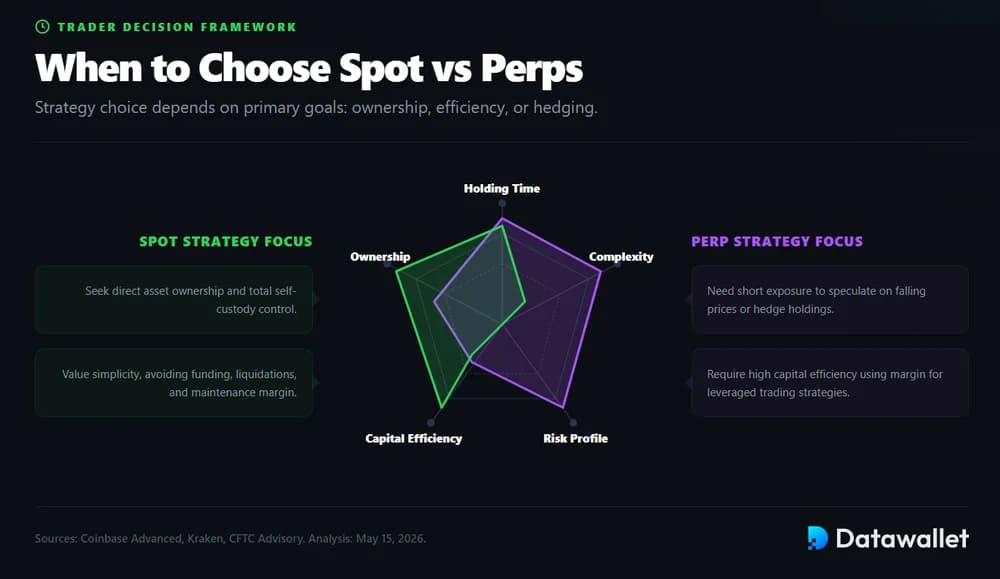
Choosing the right onchain perpetual exchange requires matching your risk tolerance to the platform's margin structure. The two primary modes are isolated margin and cross margin. Isolated margin assigns a fixed amount of collateral to each position, containing losses to that specific trade. Cross margin pools all available wallet balance as collateral across all open positions, allowing for greater leverage but exposing the entire account to liquidation risk.
Best for isolated risk control

As an Amazon Associate, we may earn from qualifying purchases.
Isolated margin is the preferred choice for traders who want to limit downside exposure. If a position is liquidated, only the allocated collateral is lost, leaving the rest of the portfolio intact. This mode is ideal for high-frequency traders or those experimenting with new strategies on volatile assets. It requires precise capital allocation for each trade, which can be cumbersome for managing multiple positions simultaneously.
Best for capital efficiency
Cross margin offers higher capital efficiency by using the entire account balance to support open positions. This mode is suitable for experienced traders who maintain a well-diversified portfolio and can withstand significant volatility without liquidation. However, a sharp market move can drain the entire account balance if not monitored closely. It is less suitable for beginners who may not fully understand the cumulative risk across multiple positions.
Comparison of margin modes
| Feature | Isolated Margin | Cross Margin |
|---|---|---|
| Risk Exposure | Limited to allocated collateral | Entire account balance at risk |
| Leverage Capacity | Lower per position | Higher overall leverage possible |
| Liquidation Risk | Contained to specific trade | Can liquidate entire portfolio |
| Best For | Risk management, beginners | Capital efficiency, advanced traders |
Monitoring and management
Regardless of the margin mode, continuous monitoring is essential. Use the
to track real-time price movements. Implement stop-loss orders to automatically close positions if they move against you. Regularly review funding rates, which can significantly impact long-term profitability in perp trading.Inspect the expensive parts
Manage Onchain Perp Margin Risk works best as a clear sequence: define the constraint, compare the realistic options, test the tradeoff, and choose the path with the fewest hidden costs. That order keeps the advice usable instead of decorative. After each step, pause long enough to check whether the recommendation still fits the reader's actual situation. If it depends on perfect timing, unusual access, or a best-case budget, include a simpler fallback.
Plan for ownership costs
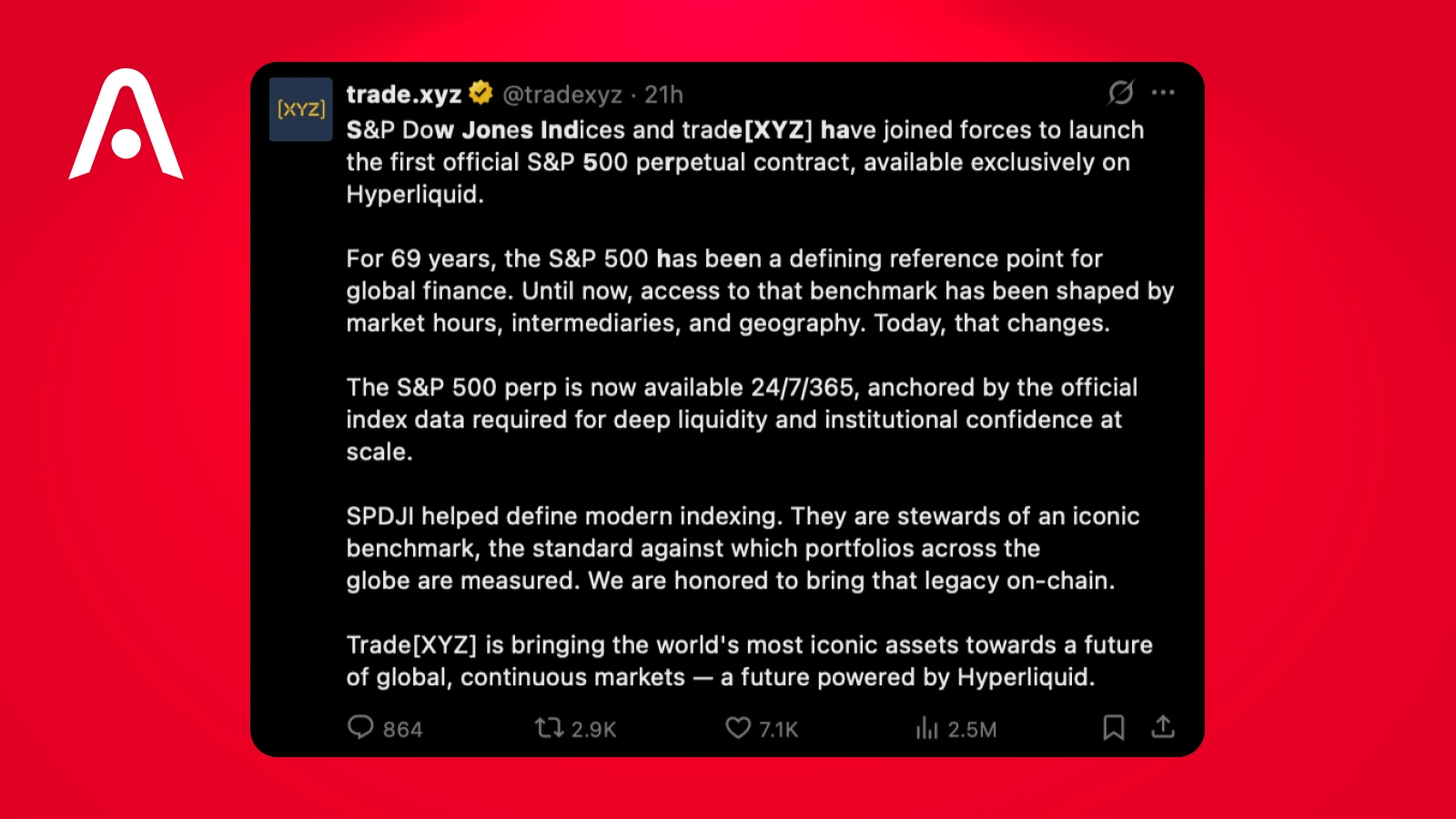
Perpetual futures don't expire, which means they carry a hidden tax called the funding rate. This mechanism keeps the perp price anchored to the spot price. If the funding rate is positive, long traders pay short traders. If it's negative, shorts pay longs. In a strong bull market, funding rates can spike, turning a "cheap" entry into an expensive hold.
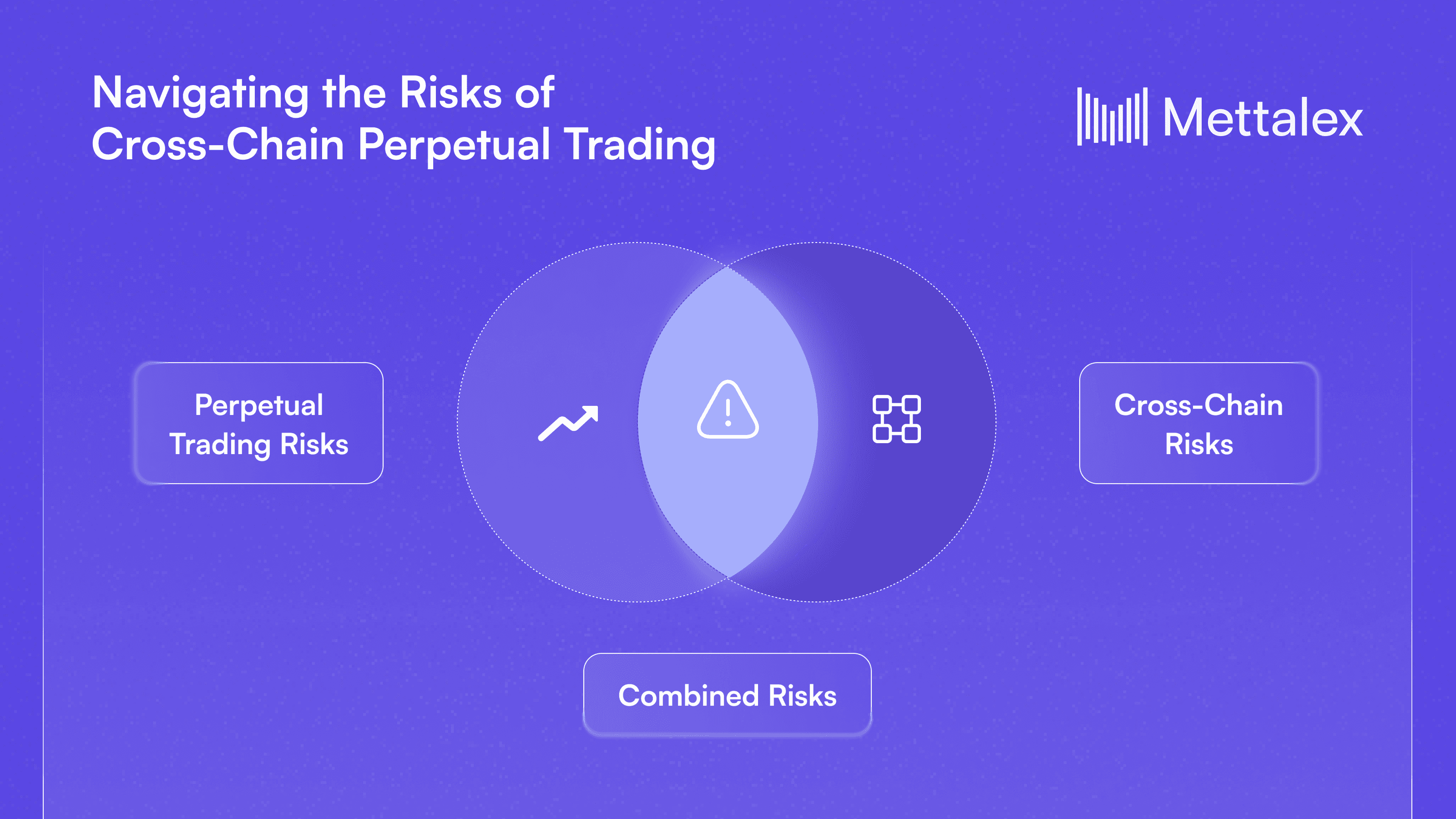
Beyond funding, you must account for maintenance margin. Exchanges require a minimum amount of collateral to keep a position open. If the market moves against you and your equity falls below this threshold, you get liquidated. This isn't just a theoretical risk; it's the primary way retail traders lose their entire position in volatile markets.
A common mistake is focusing only on the entry price. A low entry with high leverage and rising funding costs is riskier than a higher entry with conservative leverage and neutral funding. Always calculate the break-even point including estimated funding costs over your intended hold period.


As an Amazon Associate, we may earn from qualifying purchases.
No comments yet. Be the first to share your thoughts!