
Get onchain perp margin right
Onchain perpetual futures offer transparency, but they demand strict discipline with capital. Before you open a position, you need to understand how margin works and which type fits your strategy. This section covers the prerequisites for managing risk and maximizing capital efficiency.
Know your margin thresholds
Two margin thresholds govern every leveraged perpetual futures position: initial margin and maintenance margin. Initial margin is the collateral required to open a trade. The formula is straightforward: position size x mark price ÷ leverage. At 10x leverage, opening a $10,000 position requires $1,000 in initial margin. Maintenance margin is the minimum balance you must hold to keep the position open. If your account balance falls below this level, you face liquidation.
Choose cross or isolated margin
Your margin mode determines how your collateral is allocated. MetaMask outlines two primary options: cross and isolated margin. Cross margin pools all your available balance to support open positions. This lowers the risk of immediate liquidation but exposes your entire wallet to potential losses. Isolated margin assigns a fixed amount of collateral to a single position. It limits your risk to that specific amount, protecting the rest of your funds, but increases the chance of liquidation if the trade moves against you.
Verify protocol solvency
Before depositing funds, verify that the protocol has sufficient reserves. Look for real-time proof of reserves or on-chain audits that confirm the platform can cover user liabilities. This step is critical for long-term capital safety.
Set up onchain perp margin
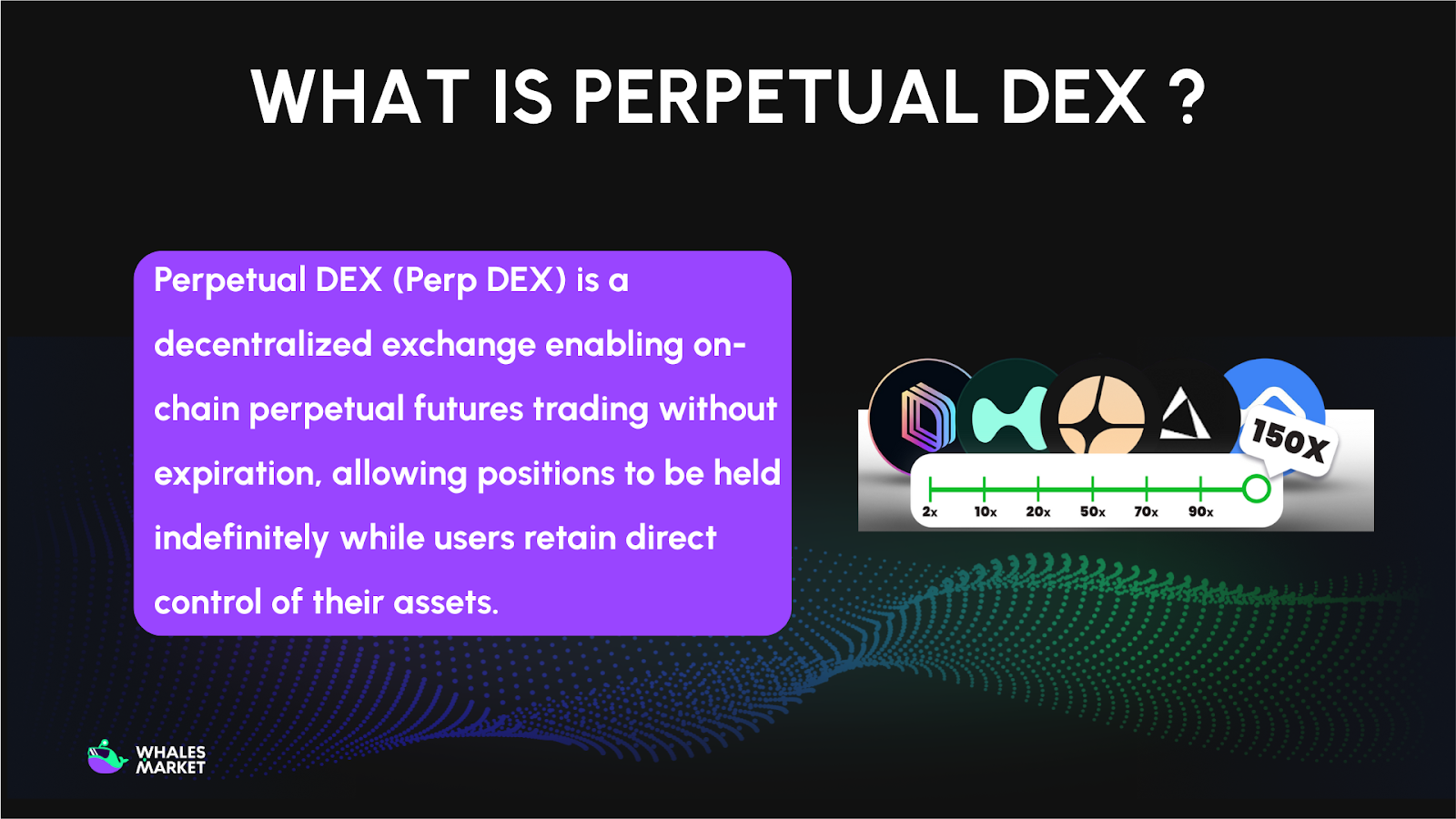
Onchain perpetual futures let you trade with leverage while keeping control of your assets in self-custody. Unlike centralized exchanges, where the platform holds your funds, onchain perps run on smart contracts that settle directly on the blockchain. This structure offers transparency but requires careful margin management to avoid liquidation.
Margin in perp trading is governed by two thresholds: initial margin and maintenance margin. Initial margin is the collateral required to open a position. The formula is straightforward: position size × mark price ÷ leverage. For example, at 10x leverage, opening a $10,000 position requires $1,000 in initial margin. Maintenance margin is the minimum balance required to keep the position open. If your equity falls below this level, the position is liquidated.
Optimizing onchain perp margin means balancing capital efficiency with risk. Higher leverage frees up capital for other trades but increases the risk of liquidation. Lower leverage reduces risk but ties up more capital. The key is to choose a leverage level that aligns with your risk tolerance and market outlook.

Before opening a position, decide between cross and isolated margin. Cross margin uses your entire wallet balance as collateral, allowing you to withstand larger price swings but risking your entire balance. Isolated margin limits risk to the funds allocated to the position, protecting the rest of your portfolio. For most traders, isolated margin is safer for volatile assets.
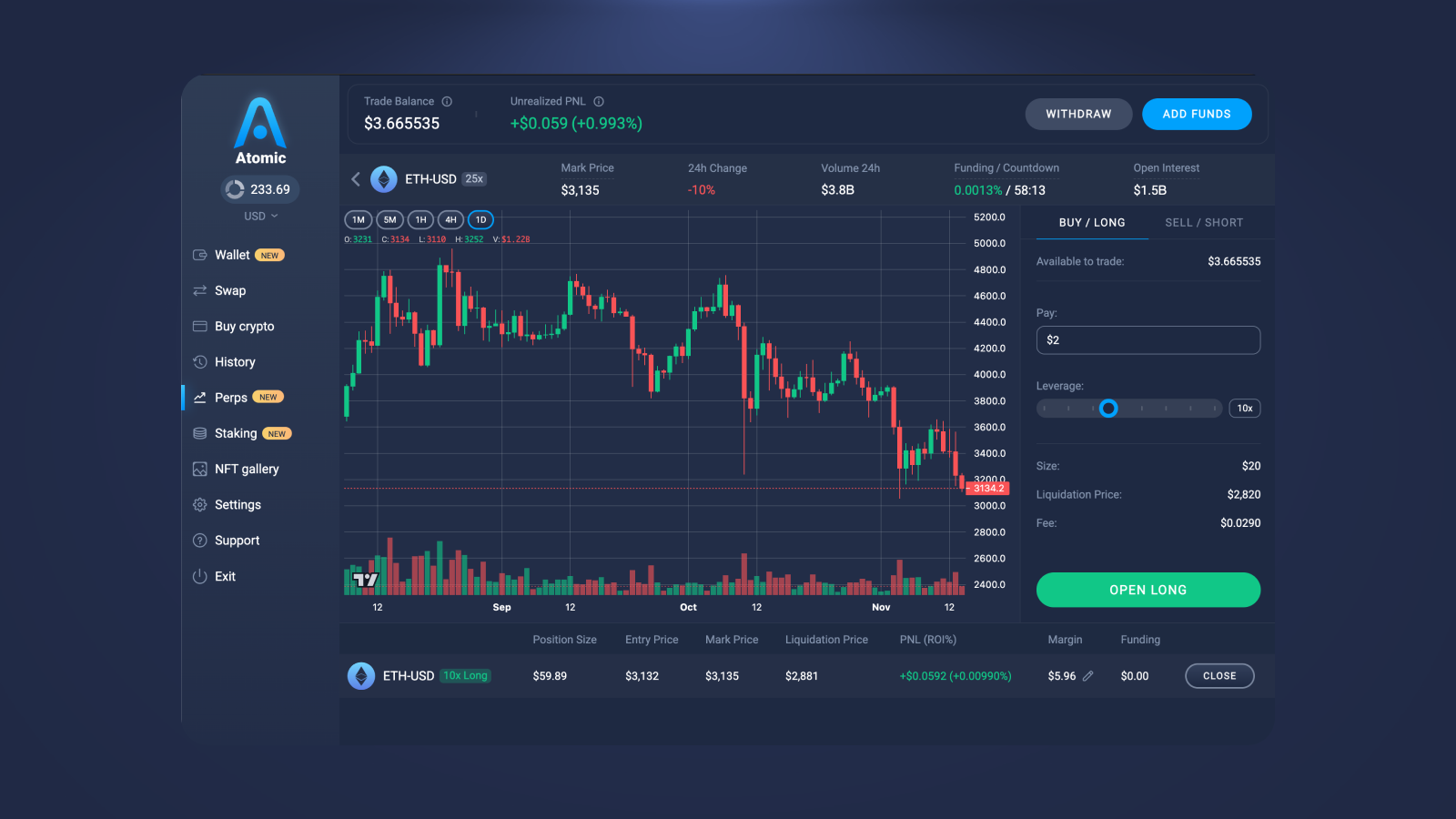
Determine how much collateral you need to open your desired position size. Use the formula: position size × mark price ÷ leverage. Ensure you have enough assets in your wallet to cover this amount plus a buffer for funding rates and potential price movements. Overleveraging is a common mistake that leads to quick liquidations.
Keep a close eye on your maintenance margin level. If your position’s equity drops below this threshold, the protocol will liquidate your position. Set up price alerts or use dashboard tools to track your liquidation price. Adding collateral can prevent liquidation if the market moves against you temporarily.
Funding rates are periodic payments between long and short traders to keep the perp price close to the spot price. If funding rates are positive, longs pay shorts; if negative, shorts pay longs. High funding rates can erode your profits, so factor them into your margin calculations. Consider closing positions before large funding payments if the cost outweighs the potential gain.
Automate your exit strategy with stop-loss and take-profit orders. Stop-losses limit your losses if the market moves against you, while take-profits lock in gains. Onchain perps often allow you to set these orders directly in the smart contract, ensuring they execute without manual intervention. This discipline helps preserve capital and reduces emotional trading.

Don’t rely on a single asset for margin. Diversifying across stablecoins, blue-chip cryptos, or even other altcoins can reduce the risk of a single asset’s volatility wiping out your collateral. Some protocols allow you to use multiple assets as collateral, which can improve capital efficiency and provide a buffer against market swings.

Regularly review your position’s health metrics, including leverage ratio, liquidation price, and funding rate exposure. Use portfolio dashboards to get a holistic view of your margin usage across all positions. Adjust your margin allocations as market conditions change to maintain optimal capital efficiency and risk management.
Fix common mistakes
Most traders lose capital on perpetual futures not because their market analysis is wrong, but because their margin management is flawed. The following errors are the most common causes of unnecessary liquidations and drained accounts.
Overleveraging without buffer
Opening a position with maximum leverage leaves no room for volatility. If you use 10x leverage, a 10% adverse move wipes out your entire margin. Most traders fail to account for funding rates and slippage, which effectively increase the cost of holding the position. Always calculate the liquidation price relative to your entry and ensure there is sufficient distance for normal market fluctuations.
Confusing cross and isolated margin
Using cross margin on a high-risk altcoin pair is a frequent trap. In cross margin mode, your entire account balance serves as collateral. A sudden crash in one position can liquidate your stablecoin holdings or other unrelated positions. Isolated margin limits the loss to the specific allocation for that trade. Use isolated margin for speculative trades to protect the rest of your portfolio.
Ignoring maintenance margin thresholds
Initial margin gets you into the trade, but maintenance margin keeps you there. The maintenance margin is the minimum equity required to hold a position. If your account value drops below this threshold, the protocol will liquidate your position. Many traders check only the initial margin requirement and fail to monitor the maintenance level, leading to unexpected liquidations during high volatility.
Forgetting about funding rates
Perpetual futures do not have expiration dates, so exchanges use funding rates to tether the price to the underlying asset. If you are long and funding rates are positive, you pay shorts every eight hours. Holding a large position through extended periods of high funding rates can erode your margin significantly, even if the price remains flat. Check the funding rate schedule before entering a long-term position.
Onchain perp margin: what to check next
Understanding how onchain perpetual futures handle collateral is essential for managing capital efficiency and avoiding liquidation. These questions address the mechanics of margin requirements and risk controls specific to decentralized exchanges.
No comments yet. Be the first to share your thoughts!