
The new margin efficiency standard
Onchain perpetual futures have shifted the burden of capital efficiency from centralized order books to decentralized liquidity pools. In traditional finance, margin is a line of credit granted by a broker based on creditworthiness. In DeFi, margin is the collateral you lock in a smart contract. The innovation of Layer 2 (L2) infrastructure is that it allows this collateral to be far more dynamic than simple cash deposits.
Traders can now use their positions in liquidity pools as margin. Instead of locking idle stablecoins, a trader can deposit assets into a concentrated liquidity pool—such as a USDC/ETH pair on an L2 like Arbitrum or Base—and use the resulting liquidity tokens as collateral. This effectively lowers the cost of carry. The trader earns yield from pool fees while simultaneously holding leveraged exposure to an asset. It is a dual-income stream that traditional brokers cannot replicate.
| Factor | What to check | Why it matters |
|---|---|---|
| Fit | Match the option to the primary use case. | A good deal still fails if it does not fit the job. |
| Condition | Verify age, wear, and service history. | Hidden condition issues erase upfront savings. |
| Cost | Compare purchase price with likely upkeep. | The cheapest option is not always the lowest-cost option. |
Cross vs isolated margin mechanics
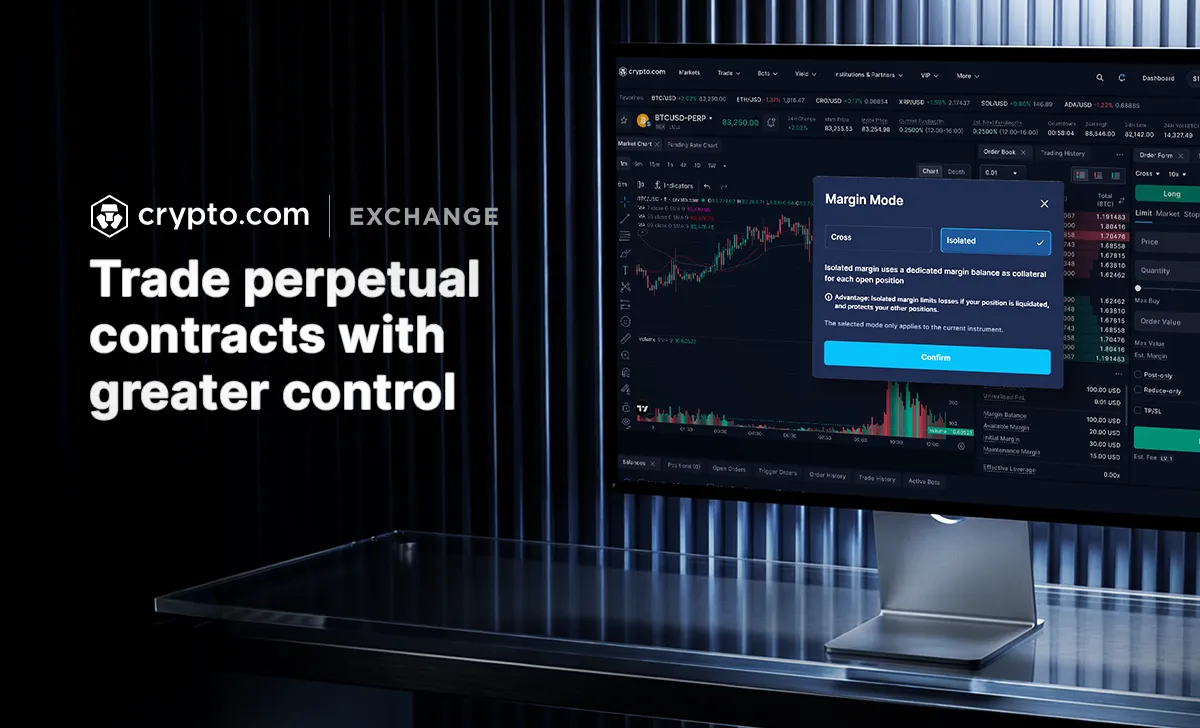
The choice between cross and isolated margin defines your liquidation boundary. Cross margin uses the entire account balance as collateral, allowing profits in one position to support losses in another. Isolated margin restricts risk to the specific position, preventing a single bad trade from draining the entire wallet. For traders utilizing LP tokens as collateral, isolated margin is often safer because it contains the risk of impermanent loss to the specific leveraged trade, rather than exposing the entire liquidity provision to perp liquidation.
The trader provides liquidity to a supported pool on an L2 DEX. The protocol mints LP tokens representing this position.

These LP tokens are deposited into the perp trading protocol. The protocol values the collateral based on the underlying asset price and the pool's liquidity depth.
The trader opens a perpetual futures position. The LP collateral acts as the initial margin, allowing for higher leverage than if only cash were used.
This mechanism changes the math of leverage capacity. Because L2s offer near-zero transaction fees, the high-frequency rebalancing required to keep LP collateral healthy is economically viable. A trader can adjust their liquidity concentration or withdraw collateral in seconds without the gas costs that would erase profits on Ethereum Mainnet. This speed allows for tighter risk management and higher effective leverage.

The risk profile, however, remains complex. LP positions are subject to impermanent loss, which can erode the collateral value faster than the price movement of the leveraged trade. If the underlying asset in the pool moves sharply against the trader's perp position, the combined drawdown can trigger liquidation more quickly than in traditional margin accounts. Protocols like Sei and Solana-based platforms are addressing this by using real-time oracle pricing to adjust collateral factors dynamically, but the trader must still monitor both the perp position and the LP pool health.
Managing liquidation risk in perps
Effective risk management requires distinguishing between must-have criteria and nice-to-have features. A practical margin strategy should survive normal market volatility, maintenance costs, and timing constraints. If a recommendation only works in an ideal situation, it is not viable.
-
Verify the basicsConfirm the core specs, condition, and fit before comparing extras.
-
Price the downsideLook for the repair, maintenance, or replacement cost that would change the decision.
-
Compare alternativesCheck at least two comparable options before treating one listing as the benchmark.
No comments yet. Be the first to share your thoughts!