
Understand perp margin mechanics
Optimize Onchain Perp Margin Efficiency works best as a clear sequence: define the constraint, compare the realistic options, test the tradeoff, and choose the path with the fewest hidden costs. That order keeps the advice usable instead of decorative. After each step, pause long enough to check whether the recommendation still fits the reader's actual situation. If it depends on perfect timing, unusual access, or a best-case budget, include a simpler fallback.
The simplest way to use this section is to write down the real constraint first, compare each option against it, and choose the path that still works outside ideal conditions.
Select cross-margin over isolated
When configuring your onchain perpetual positions, choosing cross-margin mode is the primary lever for capital efficiency. Unlike isolated margin, which locks collateral to a single trade, cross-margin pools your entire account balance to support all open positions. This unified approach prevents a temporary drawdown in one position from triggering a liquidation, provided your total portfolio health factor remains above the threshold.
Think of cross-margin as a shared safety net. If one position moves against you, the gains or idle collateral from your other positions act as a buffer, absorbing the shock. This reduces the frequency of liquidations and allows you to deploy the same amount of capital across a more diversified set of trades.
| Feature | Cross-Margin Mode | Isolated Margin Mode |
|---|---|---|
| Collateral Pool | Entire account balance | Specific allocation per position |
| Liquidation Risk | Lower (shared buffer) | Higher (single point of failure) |
| Capital Efficiency | High (maximizes utility) | Low (idle capital remains unused) |
| Risk Containment | Portfolio-wide exposure | Position-specific loss cap |
Use cross-margin when you are managing a diversified portfolio or when volatility is expected but your overall health factor is strong. Isolated margin is better reserved for high-conviction, high-leverage trades where you want to strictly cap potential losses to a specific amount. For most traders optimizing for margin efficiency, cross-margin is the superior choice because it minimizes dead capital.
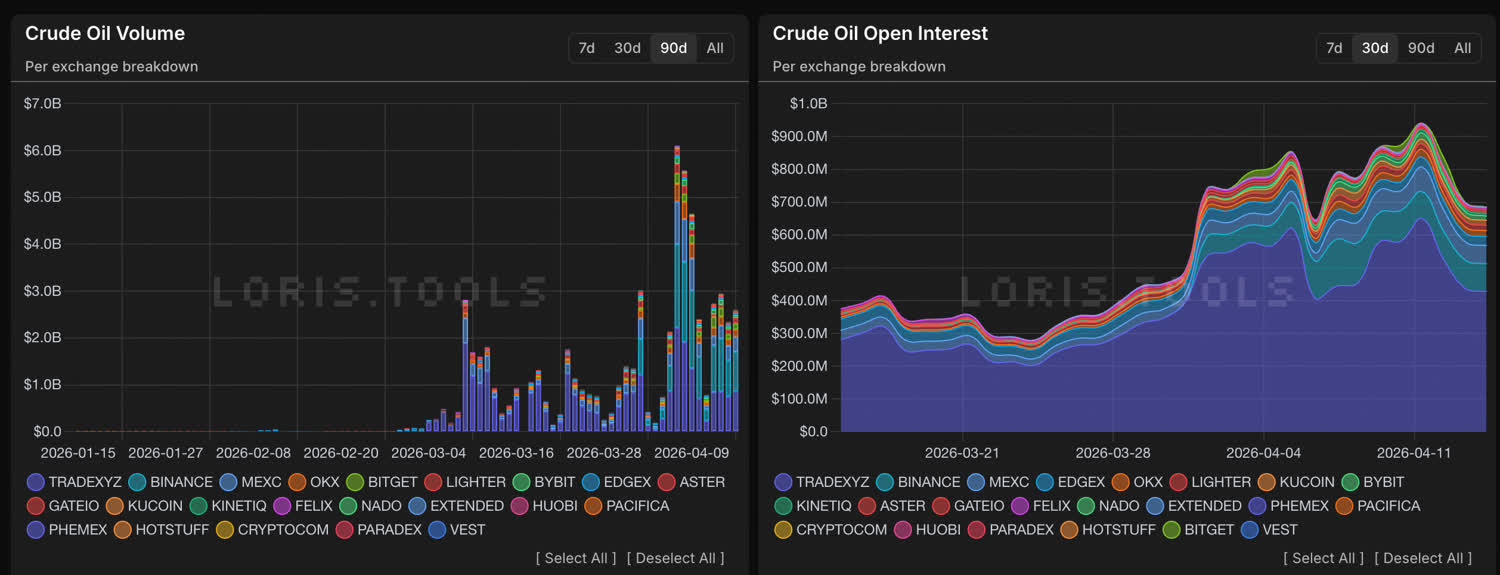
Deploy unified margin across chains
Unified margin protocols allow you to post collateral on one blockchain and use it to trade perpetual futures on another. This removes the need to bridge assets manually between every exchange, reducing idle capital and unlocking deeper liquidity.
Follow this sequence to bridge assets and activate unified margin.
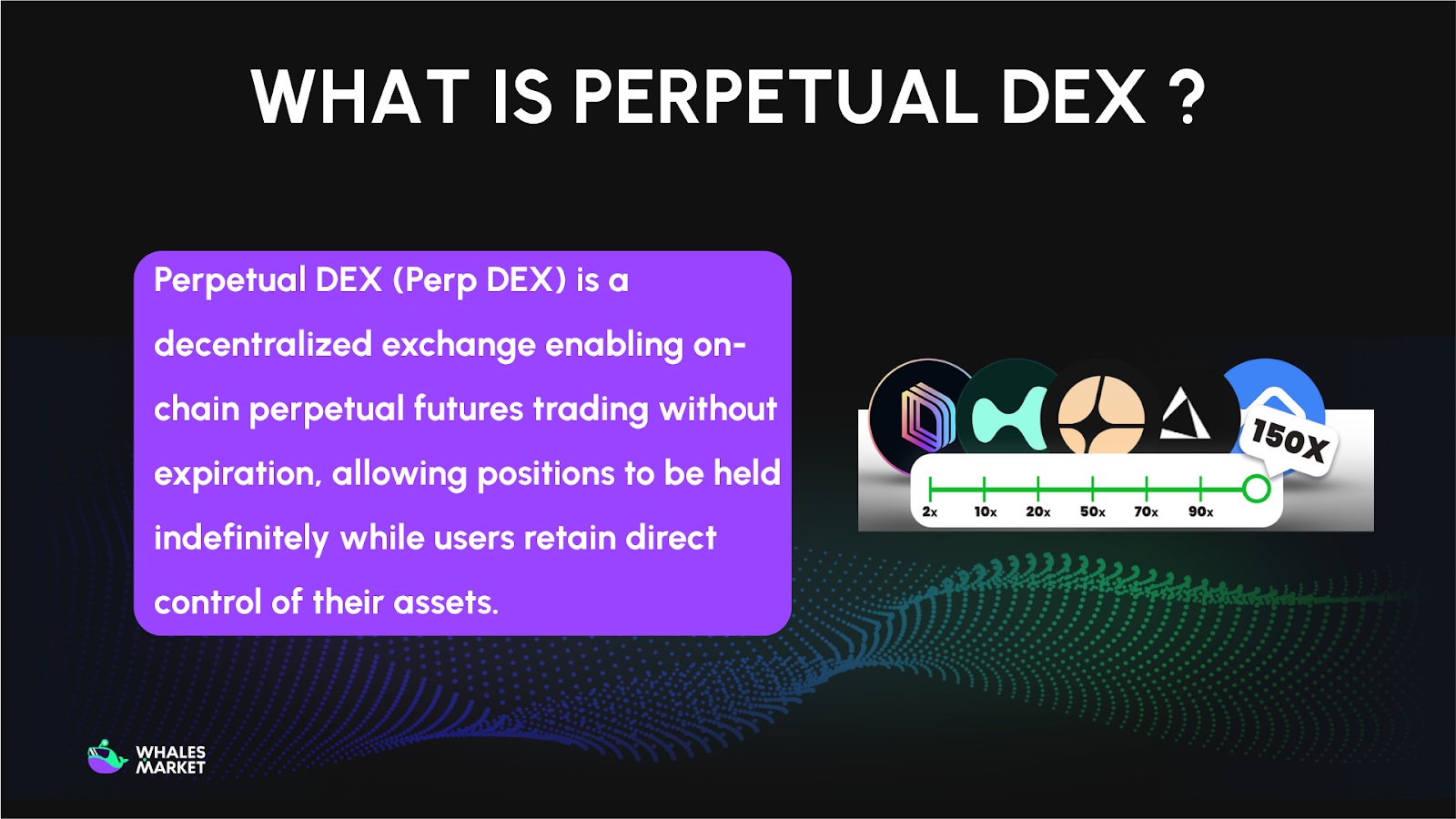
Identify a platform that supports cross-chain margin, such as Drift Trade. These protocols act as a central hub, accepting collateral on a source chain and issuing a claim on the destination chain where the perpetuals are traded.
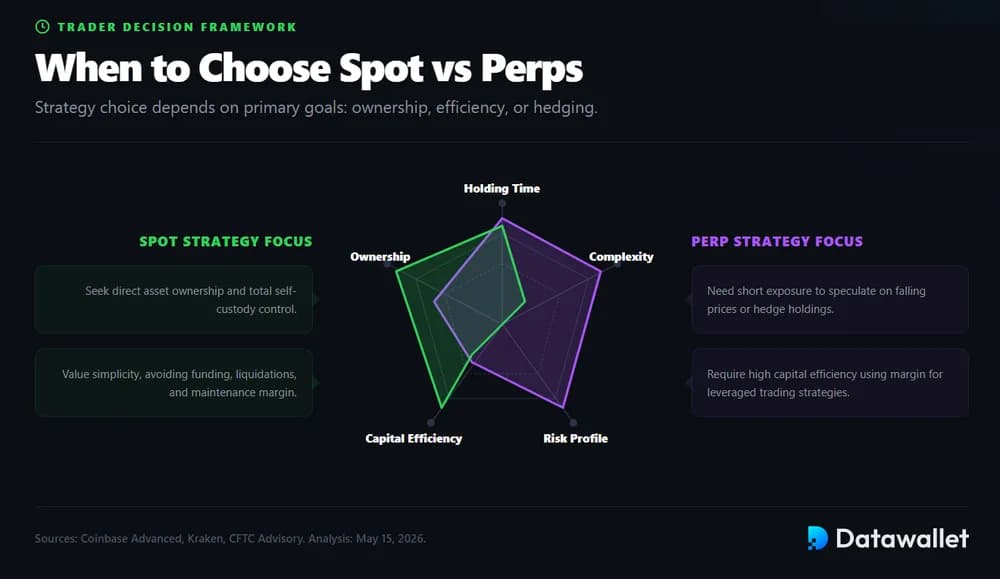
Transfer your preferred collateral asset (e.g., USDC, ETH) to the source chain designated by the protocol. Use a trusted bridge or the protocol’s native bridge interface to move funds into the margin vault. Ensure the asset is supported by the target perpetual market.

Interact with the protocol’s smart contract to deposit your bridged assets into the unified margin pool. This action locks your collateral as credit against your trading positions. The protocol will now recognize your balance across all supported chains.

Switch your wallet network to the destination chain where the perpetual futures market is hosted. Connect your wallet to the trading interface. Your deposited margin should now appear as available buying power or collateral for opening leveraged positions.
Execute your trades on the destination chain. Monitor your health factor and liquidation price through the protocol’s dashboard. If you need to add more collateral, repeat the bridging and deposit steps on the source chain.
By centralizing your collateral, you avoid fragmentation across multiple isolated exchanges. This approach simplifies risk management and reduces the gas costs associated with frequent bridging.
Integrate AI risk monitoring
Onchain perpetual futures rely on automated funding rates and liquidation engines, but human reaction times are too slow to manage these variables effectively. AI-driven risk monitoring tools bridge this gap by processing real-time data feeds to predict margin requirements before they become critical. Instead of reacting to a liquidation warning after the fact, you use AI to adjust your margin efficiency proactively.
Set up real-time funding rate alerts
Funding rates are the heartbeat of perp trading, determining the cost of holding a position. AI tools monitor these rates across multiple decentralized exchanges (DEXs) to identify arbitrage opportunities or sudden shifts in market sentiment. Configure your monitoring dashboard to trigger alerts when funding rates deviate significantly from the historical average. This allows you to close positions that are no longer profitable or open counter-trend trades to hedge your exposure.
Monitor liquidation price heatmaps
Liquidation prices are not static; they shift with every price tick and margin adjustment. AI-powered heatmaps visualize where large clusters of positions are likely to be liquidated, often referred to as "liquidity grabs." By integrating these visualizations into your workflow, you can identify zones of high risk. If your liquidation price is near a dense cluster, consider adding margin or widening your stop-loss to avoid being swept up by market volatility.
Automate margin adjustments
The final step is to automate the response to these signals. Many advanced trading bots and risk management platforms allow you to set rules based on AI predictions. For example, you can configure the system to automatically add margin if the predicted liquidation price drops below a certain threshold, or to reduce leverage if volatility spikes. This removes emotional decision-making and ensures your margin efficiency remains optimized throughout the trading session.
Check your margin health
Before executing a trade, verify that your onchain perp margin efficiency is within safe limits. This final verification step prevents unexpected liquidations by ensuring your collateral ratios are sufficient for the current market volatility.
Start by distinguishing between initial and maintenance margin. Initial margin is the collateral required to open the trade, while maintenance margin is the lower ongoing minimum required to keep the position open [src-serp-1]. If your account equity drops below the maintenance threshold, the protocol will liquidate your position.
Next, assess your leverage mode. Cross margin shares all available funds across multiple positions, using your entire balance to prevent liquidation if one trade goes against you. Isolated margin restricts risk to the specific position, protecting the rest of your capital. Choose the mode that aligns with your risk tolerance.
Finally, calculate your liquidation price. Ensure it is far enough from the current market price to absorb normal fluctuations without triggering a forced sale. This check is essential for maintaining stable onchain perp margin efficiency.
Common perp margin: what to check next
Understanding how margin mechanics work is essential for protecting your capital. Below are answers to frequent questions about leverage, margin modes, and profitability.
No comments yet. Be the first to share your thoughts!