
Choose isolated or cross margin mode
Selecting the right margin mode for onchain perp margin is the first step in controlling your risk exposure. Most perpetual DEXs offer two distinct settings: isolated and cross margin. Your choice determines how much of your portfolio is at stake when a trade moves against you.
Isolated margin assigns a specific amount of collateral to a single position. If that trade hits the liquidation price, only the allocated funds are lost. Your remaining balance stays untouched. This mode acts like a firewall, containing losses to the specific bet you placed. It is ideal for traders who want to limit downside on volatile positions or experiment with high leverage without risking their entire wallet.
Cross margin pools all available balance in your account wallet to maintain open positions. This setup maximizes capital efficiency because unused funds act as a buffer against liquidation. However, it also means a severe market move can drain your entire account balance. Use cross margin when you have a large buffer and want to reduce the chance of being liquidated by minor price fluctuations.
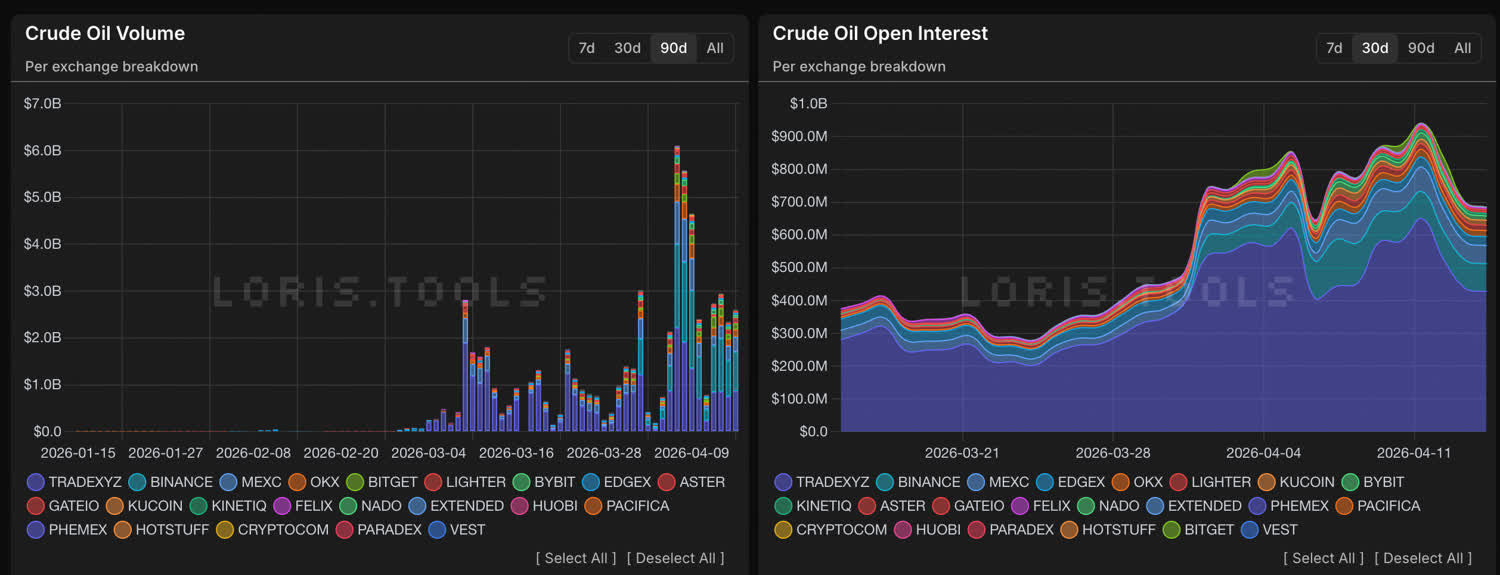
Use the table below to compare the structural differences between the two modes before opening a position.
| Feature | Isolated Margin | Cross Margin |
|---|---|---|
| Risk Scope | Limited to allocated funds | Entire wallet balance |
| Liquidation Impact | Only the position is closed | All collateral may be lost |
| Capital Efficiency | Lower (funds sit idle) | Higher (idle funds support positions) |
| Best For | High leverage, specific bets | Low leverage, trend following |
For traders managing complex onchain perp margin strategies, having the right tools to monitor positions and manage risk is essential. Consider using a portfolio tracker or a hardware wallet to secure your assets while you navigate these choices.


As an Amazon Associate, we may earn from qualifying purchases.
Set liquidation price buffers
Onchain perp margin optimization starts with one non-negotiable rule: your liquidation price must sit far enough from the current market price to absorb normal volatility without triggering a forced exit. If your buffer is too tight, a standard wick or flash crash will liquidate your position before the trend reverses. Setting this buffer is the primary defense against margin calls in high-leverage environments.
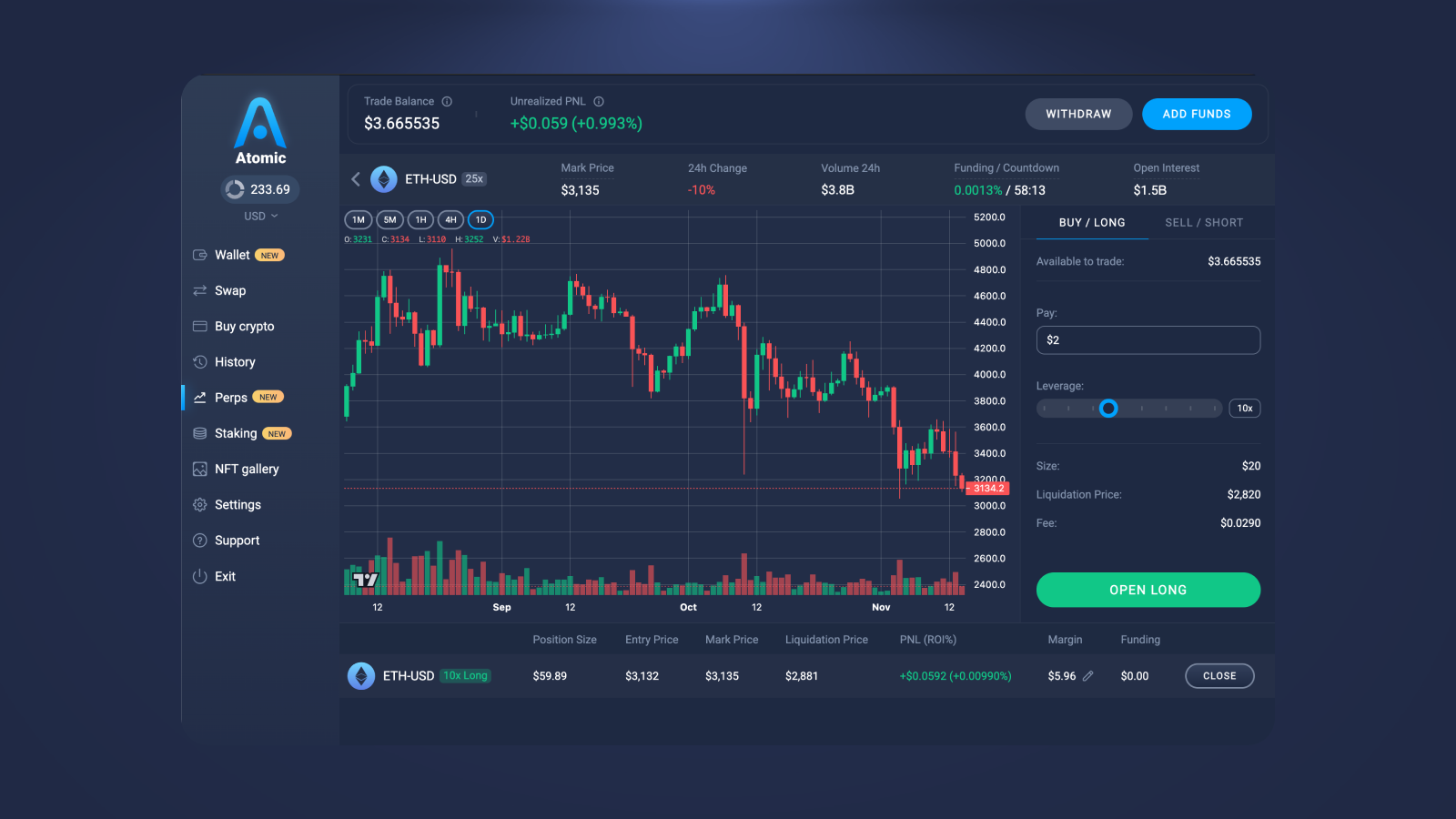
Every perpetual exchange specifies a maintenance margin requirement (MMR), which is the minimum equity you must hold to keep a position open. This rate varies by asset and position size. For example, a major exchange might require 0.5% MMR for BTC, but this can jump to 2% or higher for more volatile altcoins or larger notional values. You must identify this exact percentage for your specific trading pair before calculating your buffer.
Use your exchange’s margin calculator to input your entry price, leverage, and position size. The calculator will output a theoretical liquidation price where your collateral equals the maintenance margin. This is your baseline. Do not trade at this exact price; treat it as the floor, not the safety zone. Most traders miscalculate here by ignoring funding rates and fees, which slowly erode your equity and move this floor closer to the market price over time.
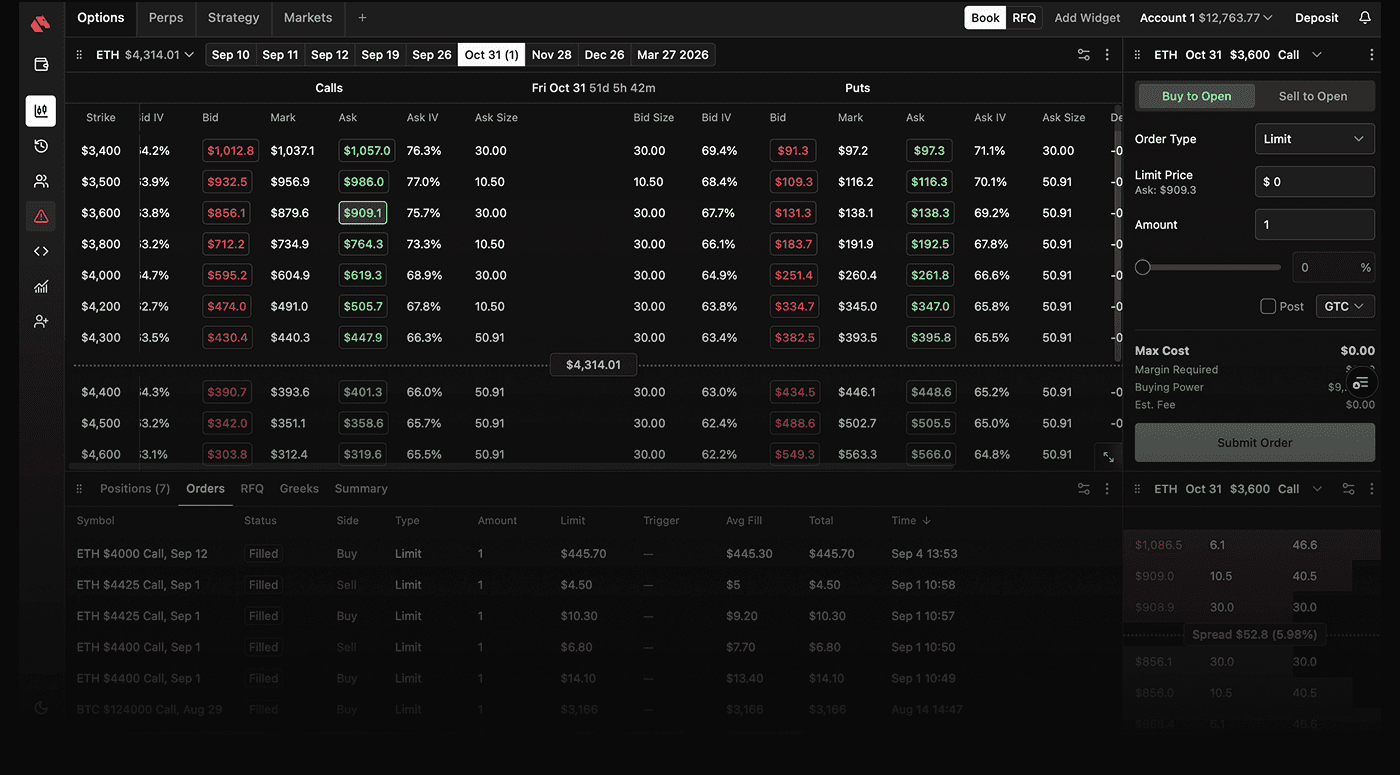
Add a safety margin between your current market price and your calculated liquidation price. A common standard is to ensure your liquidation price is at least 2-3 times the distance of your stop-loss level. If your stop-loss is triggered at a 2% move, your liquidation price should be at least 4-6% away. This buffer accounts for slippage, funding rate fluctuations, and the inevitable "scam wicks" that hunt tight stops on decentralized exchanges.
Funding rates can silently drain your margin. If you are holding a long position during a period of high positive funding rates, you are paying fees every 8 hours. These payments reduce your available equity, effectively lowering your liquidation price over time. If funding rates are extreme (above 0.1% per 8 hours), you must widen your buffer further or reduce your leverage to prevent these fees from pushing you into liquidation during a sideways market.
As the market moves, your liquidation price relative to the current price changes. If you are in a strong trend, your buffer may shrink as the price moves against you. Regularly check your margin dashboard. If your liquidation price gets too close, either add more collateral (cross-margin) or reduce your position size (isolated margin) to restore your safety buffer. Never let your liquidation price creep within 1% of the current price without action.
Monitor real-time risk metrics
Onchain perpetual futures operate differently from centralized exchanges. Liquidity is fragmented across multiple venues, and price feeds can lag during high volatility. Without real-time visibility, your margin usage can spike before you even notice the price movement. You need to treat onchain risk monitoring as a continuous workflow, not a post-trade audit.
Start by connecting your wallet to a dedicated risk analytics dashboard. Tools like Gamma Strategies or specialized DeFi dashboards aggregate data across multiple chains, giving you a single view of your exposure. These platforms pull data directly from the smart contracts, ensuring the numbers reflect the actual onchain state rather than an exchange’s internal ledger.
Focus on two primary metrics: margin ratio and liquidation price. Your margin ratio tells you how much free collateral you have left relative to your position size. Most onchain protocols trigger liquidation when this ratio drops below a specific threshold, often 105-110%. Set up alerts for when you approach this level. A sudden drop in liquidity or a spike in funding rates can erode your margin faster than price movement alone.
Use a live chart to track these metrics alongside the underlying asset price. This helps you distinguish between temporary volatility and a genuine trend reversal. If your margin ratio is declining but the price is stable, check for hidden risks like high funding rates or low liquidity in the specific pool you are trading. Finally, verify your position health directly on-chain. Most protocols provide a "position" tab on their interface that shows your exact collateral, borrowed amount, and liquidation price. Cross-reference this with your analytics dashboard. If the numbers differ, trust the onchain contract data. This discrepancy often indicates a sync delay in the analytics tool, not an error in your position.
Avoid common margin mistakes
Even with robust risk tools, onchain perp margin management fails when traders ignore protocol-specific mechanics. The most frequent error is assuming maintenance margin requirements are static across chains. A position that looks safe on one DEX can trigger an instant liquidation on another due to tighter thresholds or oracle latency differences.
Always verify the specific maintenance margin ratio for your chosen perp market before entering. Many protocols adjust these ratios dynamically based on volatility, meaning your initial buffer can evaporate faster than expected during market swings. Relying on generic leverage calculators without inputting the exact protocol parameters is a fast track to unwanted liquidation fees.
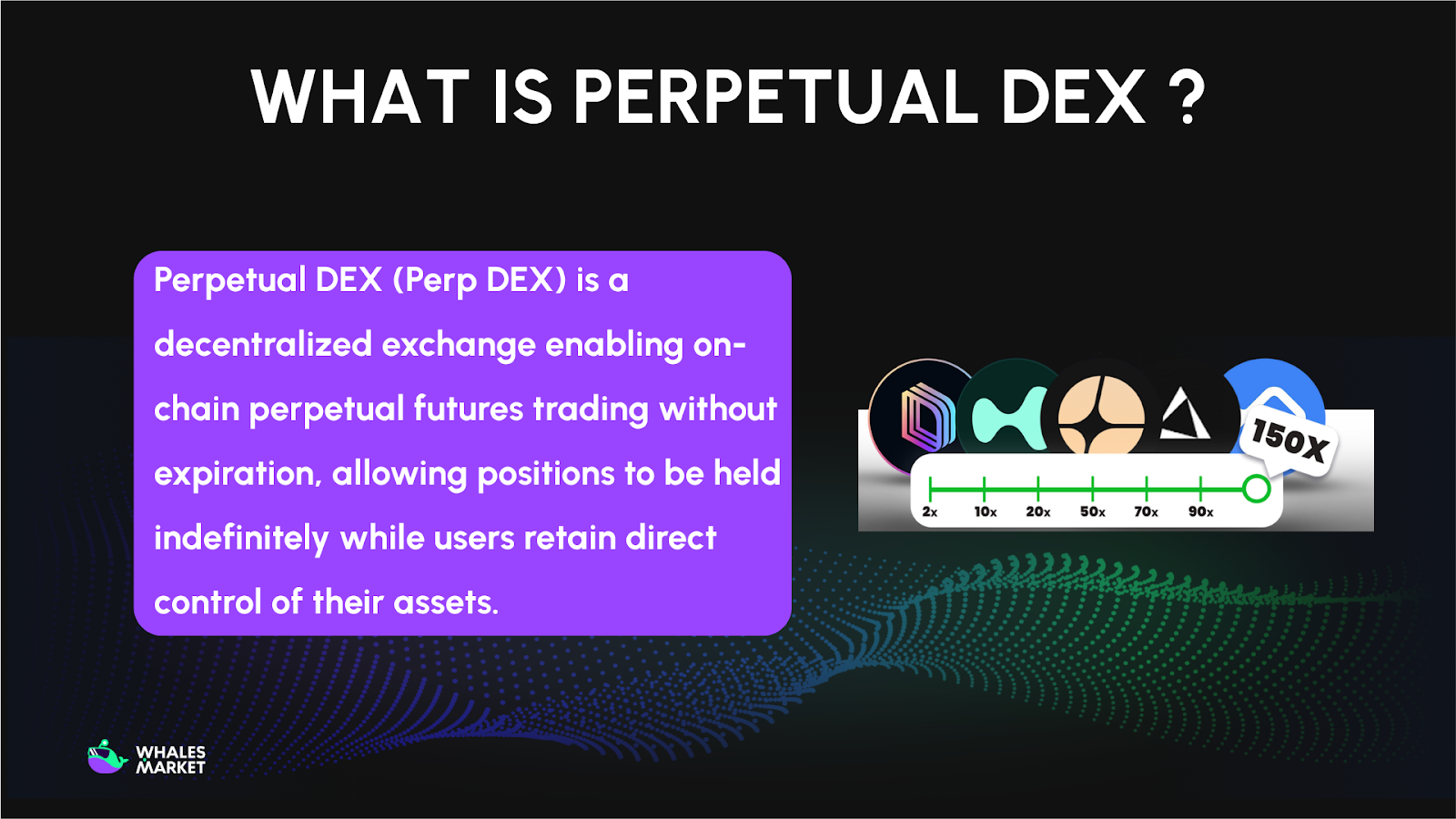
Another critical mistake is failing to monitor cross-chain liquidity fragmentation. When you move margin assets between chains to chase yields or lower fees, you may inadvertently leave your primary collateral pool underfunded. This disconnect breaks the automated margin rebalancing logic, leaving your position exposed to sudden price movements without adequate backing.
Keep your margin strategy simple and aligned with the protocol’s native behavior. Avoid overleveraging during high-volatility events like major macro announcements or network upgrades. Instead, maintain a larger-than-usual buffer and regularly audit your collateral health across all active positions to prevent cascading liquidations.
Review your margin strategy
Onchain perpetuals move fast. A margin setup that works today can become a liability tomorrow as volatility shifts or new positions open. Regular reviews prevent over-leverage and ensure your capital remains efficient.
Start by checking your margin mode. Many perp DEXs offer both cross-margin and isolated margin options. Cross-margin shares risk across all positions, while isolated margin limits exposure to a single trade. Choose the mode that matches your current risk tolerance and portfolio size LCX.
Next, audit your open positions. Look for trades that are undercapitalized relative to current market volatility. If a position is nearing liquidation, reduce leverage or add margin immediately. Do not wait for the alert.
Finally, compare your margin usage against your total account balance. Aim to keep a healthy buffer. This buffer absorbs unexpected price spikes and prevents forced liquidations during high-volatility events.
No comments yet. Be the first to share your thoughts!