
Set up your cross-chain margin account
Establishing a cross-chain margin account requires selecting a platform that supports unified margin modes. This infrastructure allows you to deposit collateral across multiple chains and use it to back positions on different markets. Unlike isolated margin, where risk is confined to a single position, cross-margin pools all available assets in your account to absorb volatility. This approach maximizes capital efficiency but demands strict oversight of your total exposure.
To begin, connect your wallet to a perpetual DEX that explicitly offers cross-margin functionality. Verify that the protocol supports the specific collateral assets you intend to hold, such as ETH or stablecoins, across your target chains. This setup ensures that your deposited funds are immediately available as margin for any open position, regardless of the underlying asset.
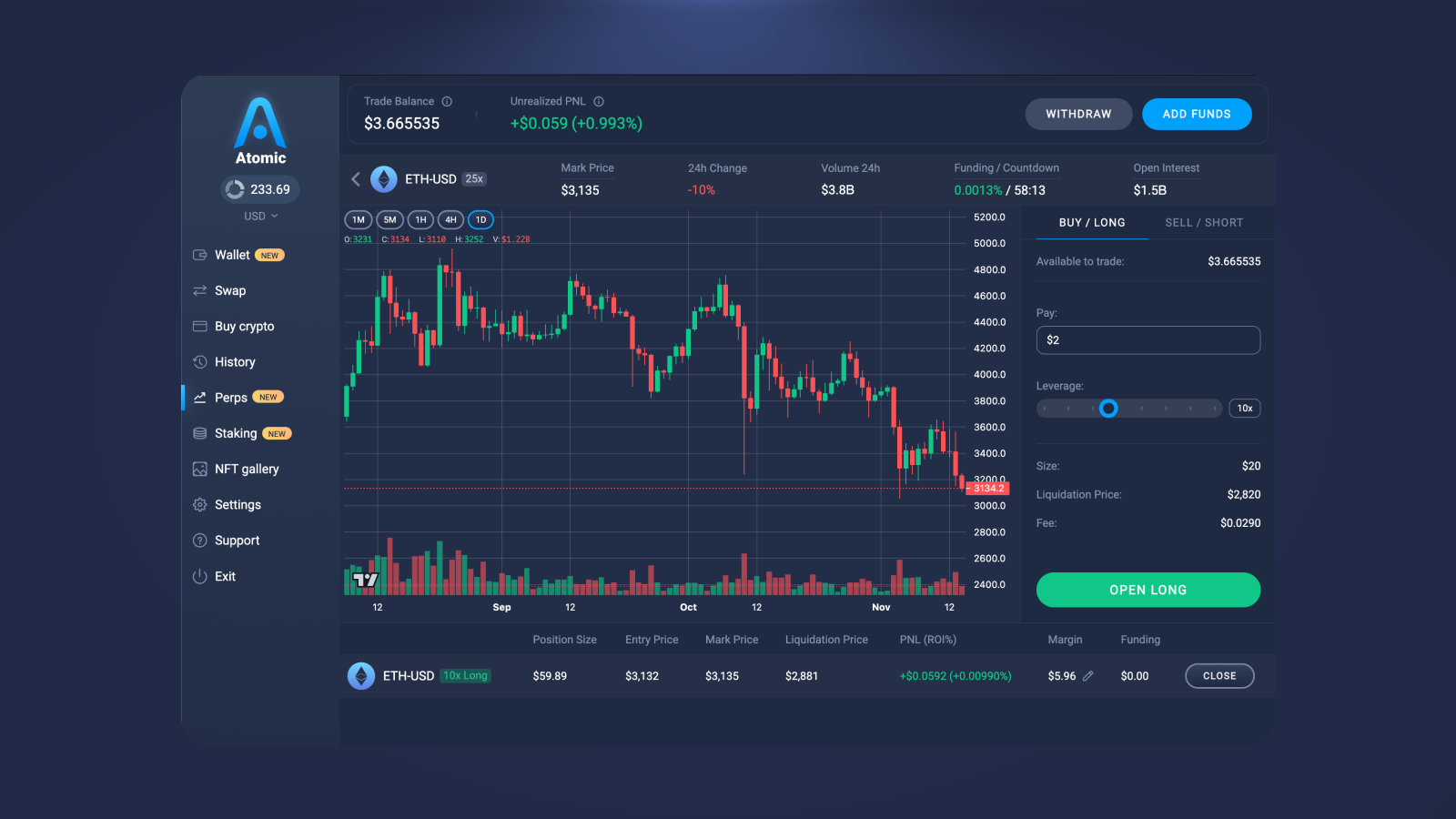
Navigate to the platform's settings or trading interface. Locate the margin mode selector and switch from "Isolated" to "Cross". This action links all your deposited collateral to your open positions, allowing losses in one market to be covered by gains in another or by additional collateral in your account.
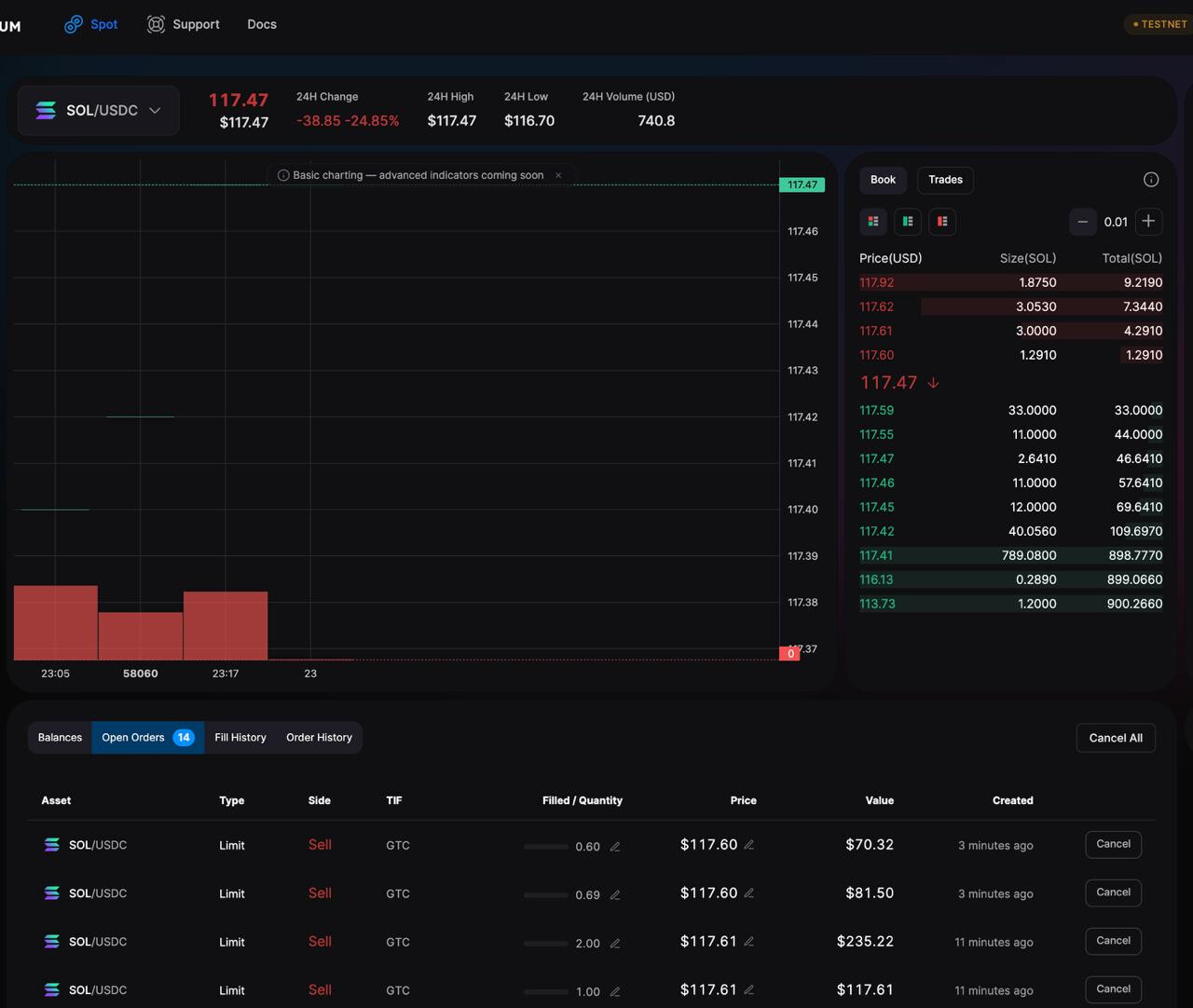
Transfer your chosen collateral tokens to the platform's supported chain. Ensure the assets are compatible with the protocol's margin requirements. Once deposited, these funds are immediately available to back your positions, reducing the need to move funds between wallets during volatile market conditions.
Set your desired leverage ratio within the platform's limits. Higher leverage increases potential returns but also accelerates liquidation risk. Monitor your health factor closely, as cross-margin accounts share a single liquidation threshold across all positions. Adjust your positions or add collateral if the health factor drops below safe levels.
Deploy capital using cross-margin mode
Cross-margin pooling treats your entire collateral balance as a single liquidity buffer for all open positions. Unlike isolated margin, which segregates risk per trade, cross-margin allows profits from one position to offset losses in another. This shared collateral structure raises the effective liquidation threshold, providing a critical safety net during high-volatility market swings.
Selecting this mode requires precise alignment with your total portfolio risk. While it reduces the likelihood of immediate liquidation on individual trades, it also exposes your entire account balance to cascading losses if the broader market turns against your aggregate exposure. Use this mode when you intend to hold multiple correlated positions or when you require maximum capital efficiency without maintaining separate margin reserves for each trade.
| Feature | Cross-Margin | Isolated-Margin |
|---|
Monitor funding rates and liquidation prices
On-chain perpetuals operate through smart contracts that handle order matching and margin calculations without a central intermediary to manage risk. This autonomy means the onus of survival falls entirely on your ability to track two moving targets: the cost of holding your position and the price level that triggers an automatic exit. Ignoring these mechanics turns leverage from a tool into a liability.
Check funding rate impacts
Funding rates are periodic payments exchanged between long and short traders to keep the perp price tethered to the spot price. When rates are positive, longs pay shorts. When negative, shorts pay longs. In trending markets, these rates can compound rapidly, eating into your capital regardless of whether your directional thesis is correct.
Monitor the funding rate clock on your trading interface. If the rate spikes above historical averages, reassess your entry. A high rate suggests the market is overcrowded on one side, increasing the likelihood of a sharp reversal or a "squeeze" that could trigger a cascade of liquidations.
Maintain liquidation buffers
Your liquidation price is the point where your margin balance drops to zero, and the protocol automatically closes your position. Unlike centralized exchanges that may offer grace periods or manual intervention, on-chain liquidations are binary and instant. There is no customer support to negotiate a margin call.
Calculate your liquidation price before entering any trade. Most interfaces display this dynamically, but you must understand the variables: your entry price, leverage, and current mark price. Maintain a buffer zone that accounts for normal volatility. If you are using 10x leverage, a 10% adverse move wipes you out. A 2% buffer is often insufficient during high-volatility events.
Use isolated margin if your platform supports it. This confines the risk to a specific portion of your funds, preventing a single bad trade from draining your entire wallet. Regularly review your margin health, especially when moving between chains, as cross-chain latency can sometimes obscure real-time price data.
Rebalance collateral across chains
Stranded capital is dead weight. When you hold margin on a chain with high gas fees or low liquidity, your yield drags and your liquidation risk spikes. Rebalancing collateral isn't just about moving assets; it's about deploying them where they perform best.
The goal is simple: keep your margin working hard on chains with deep liquidity and low fees, while avoiding the "gas trap" on congested networks. Below is the sequence to move assets efficiently.
Identify which chains hold idle or underperforming margin. Check your maintenance margin ratios and compare them against the current gas costs on those networks. If a chain's gas fees eat more than 1% of your daily potential yield, it's a candidate for rebalancing.
Choose a chain with deep liquidity for your specific perp market. AFX and other sovereign L1s offer lower fees and faster settlement for onchain perpetuals. Ensure the destination chain supports the same collateral assets to avoid unnecessary swaps that trigger taxable events or slippage.

Use a trusted bridge or native cross-chain router to move your collateral. Verify the bridge's liquidity pool depth to prevent front-running or slippage during the transfer. For high-value rebalances, split the transaction into smaller batches to minimize exposure to bridge failures.
Once the funds arrive, confirm the balance on the destination chain's perp platform. Immediately deposit the collateral into your margin account to start earning yield or supporting new positions. Double-check that your margin ratio is healthy before opening any new trades.
A quick checklist before you initiate a rebalance:
-
Verify your current maintenance margin ratio on the source chain
-
Check the funding rate on the destination chain
-
Confirm gas availability on both source and destination
-
Set a stop-loss for any new positions opened with rebalanced collateral
No comments yet. Be the first to share your thoughts!