
How onchain perp margin works
A perpetual futures contract, or "perp," tracks the price of an underlying asset without an expiration date. Unlike traditional futures, you never buy or sell the actual Bitcoin or token. Instead, you trade a derivative contract that settles against the spot price. This structure allows traders to hold leveraged positions indefinitely, provided they maintain sufficient collateral.
Onchain perp margin operates entirely through smart contracts. These self-executing programs handle order matching, margin calculations, and liquidations without a central intermediary. By removing the custodian, the system reduces counterparty risk but shifts the burden of security to the code itself. Every transaction is transparent on the blockchain, yet the complexity of the underlying logic requires careful scrutiny.
Margin in this context refers to the collateral required to open and maintain a leveraged position. Two thresholds govern every trade: initial margin and maintenance margin. Initial margin is the upfront collateral needed to enter the trade, calculated as the position size multiplied by the mark price, divided by the leverage. For example, a $10,000 position at 10x leverage requires $1,000 in initial margin. If the position value drops below the maintenance margin threshold, the smart contract automatically liquidates the position to cover losses.
The mechanics of onchain margin differ significantly from traditional finance. In TradFi, a broker manages your margin account and decides when to liquidate. Onchain, the liquidation process is algorithmic and instant. This eliminates human error but introduces the risk of oracle manipulation or smart contract vulnerabilities. Traders must monitor their positions closely, as the margin call happens on-chain, often before traditional market data updates.
The reliance on oracles to fetch real-time prices is a critical component of this system. These oracles feed price data to the smart contract, which determines the mark price for margin calculations. Any discrepancy between the oracle price and the actual market price can lead to unfair liquidations. Understanding this infrastructure is essential for managing risk in onchain perpetual futures.
cross-margin vs isolated margin modes
Onchain perpetual exchanges typically offer two distinct margin modes: isolated and cross. Choosing between them determines how your collateral is allocated and how your positions interact with market volatility. This decision directly impacts your risk exposure and capital efficiency.
Isolated margin assigns a fixed amount of collateral to a single position. If that trade triggers a liquidation, you only lose the allocated funds. Your remaining wallet balance remains untouched. This mode acts as a circuit breaker, containing losses to specific bets. It suits traders who want to isolate risk or test new strategies without jeopardizing their entire portfolio.
Cross margin pools all available wallet balance as collateral for all open positions. Profits from one trade can offset losses in another, effectively increasing your buying power. However, this flexibility comes with higher risk. A sharp market move against a single position can drain your entire wallet, triggering liquidations across all open trades simultaneously.
The choice depends on your risk tolerance and portfolio size. Isolated margin offers precision and containment. Cross margin offers efficiency and flexibility but requires strict monitoring. Understanding these mechanics is essential for managing leverage risk in 2026.
| Metric | Isolated Margin | Cross Margin |
|---|---|---|
| Risk Exposure | Contained to specific position | Affects entire wallet balance |
| Capital Efficiency | Lower (unused funds idle) | Higher (shared collateral) |
| Liquidation Impact | Single position only | All positions at risk |
| Best For | Risk containment, new strategies | High conviction, arbitrage |
Understanding liquidation mechanics
Perpetual futures trading relies on two distinct margin thresholds: initial margin and maintenance margin. Initial margin is the collateral required to open a position, calculated as position size divided by leverage. For example, a $10,000 position at 10x leverage requires $1,000 in initial margin. Maintenance margin is the lower, ongoing minimum required to keep the position open.
Liquidation occurs when your account equity falls below this maintenance threshold. Because onchain perps are often overcollateralized, the system automatically closes your position to prevent the protocol from absorbing losses. This is not a suggestion; it is an enforced closure to protect the liquidity pool.
Leverage amplifies losses proportionally. At 10x leverage, a mere 10% adverse price move equals the total loss of your margin. At higher levels, such as 125x, a sub-1% move triggers liquidation. The mechanics are binary: if the mark price hits the liquidation price, the position is gone.
Calculating safe leverage levels
To avoid forced closures, you must calculate your liquidation price before entering a trade. This requires knowing the current maintenance margin rate and the funding rate environment. High leverage leaves little room for volatility. A conservative approach treats leverage as a risk multiplier, not a profit enhancer.
Most platforms provide a liquidation price estimator. Use it. If the price is within 1-2% of the current market price, the position is fragile. A single wick can wipe you out. Always assume volatility will exceed your expectations.

Managing margin requirements
Maintenance margin rates vary by asset and volatility. During high volatility, exchanges may raise these rates, effectively increasing your leverage and bringing you closer to liquidation. This is a risk management feature, not a bug. It ensures the protocol remains solvent during market stress.
Monitor your margin ratio continuously. A high margin ratio means you have ample buffer; a low ratio means you are close to the edge. Do not wait for notifications. By the time you see a liquidation warning, it may be too late to add more collateral or reduce your position size.
The goal is not to maximize leverage but to survive the market. Sustainable trading requires respecting the mechanics of margin and liquidation. Treat every position as if it will be tested by extreme volatility.
Top onchain perp platforms in 2026
The onchain perpetual futures landscape in 2026 is defined by specialized infrastructure. Traders managing margin risk must choose platforms that align with their specific asset needs and leverage requirements. The following platforms represent the current standard for cross-chain execution, liquidity depth, and margin mechanics.
Hyperliquid
Hyperliquid operates as a high-performance decentralized exchange with a custom L1 blockchain designed for speed. It supports USDC-margined linear futures on major assets including BTC, ETH, and traditional commodities like XAU (Gold) and CL (Crude Oil). The platform allows up to 40x leverage on BTC pairs, providing deep liquidity for high-volume traders.
AFX Exchange
AFX Exchange distinguishes itself with a sovereign L1 architecture built specifically for onchain perpetuals. At launch, it focused on USDC-margined linear futures for BTC, ETH, XAU, and CL, offering up to 40x leverage on BTC. Its isolated chain structure aims to reduce congestion and provide predictable gas fees, a critical factor for margin traders who cannot tolerate execution delays during volatile periods.
dYdX
As one of the earliest entrants in the sector, dYdX continues to set benchmarks for liquidity and order book depth. It supports a wide range of crypto assets with cross-margin features, allowing traders to share collateral across multiple positions. Its robust risk engine and established market maker ecosystem make it a default choice for traders prioritizing stability and tight spreads over novel asset classes.
GMX
GMX utilizes a unique pool-based model rather than a traditional order book, relying on a diversified portfolio of assets as collateral. This structure provides deep liquidity for BTC and ETH perps while minimizing slippage for large orders. Its transparent on-chain risk parameters allow traders to verify margin requirements directly, offering a high degree of accountability for those managing leveraged positions.
Checklist for safe perp trading
Before opening a leveraged position, verify your risk parameters against on-chain mechanics. Use the following steps to protect your capital.
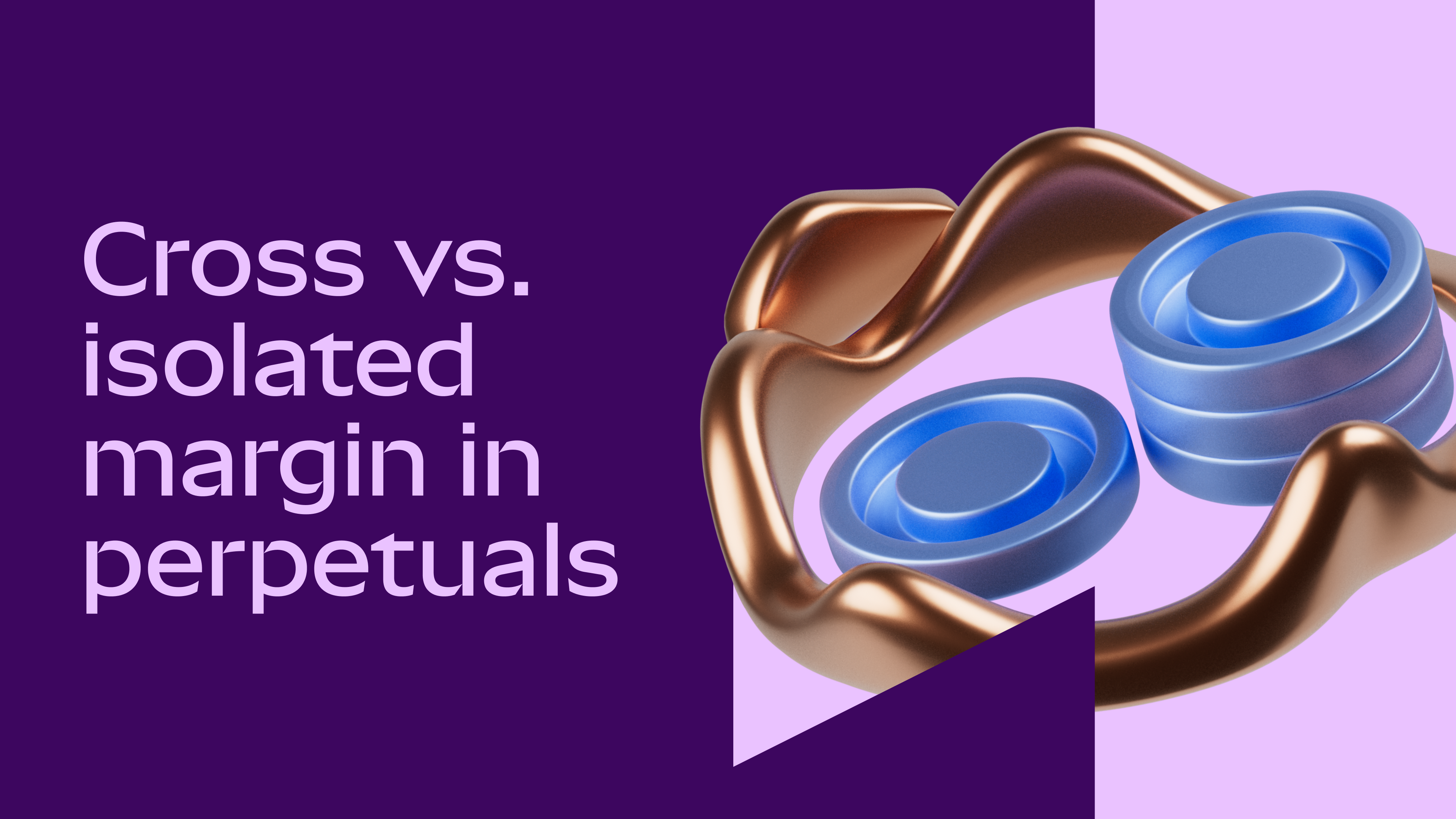
Isolated margin limits liquidation to your collateral. Cross margin risks your entire wallet balance. For high-stakes trading, isolated mode is the safer default.
Initial margin is the collateral required to open a trade. It is calculated as position size multiplied by mark price, divided by leverage. Ensure your balance exceeds this threshold before execution.
Funding rates periodically transfer payments between long and short traders. High rates increase holding costs. Check the current rate to avoid paying excessive fees to keep your position open.
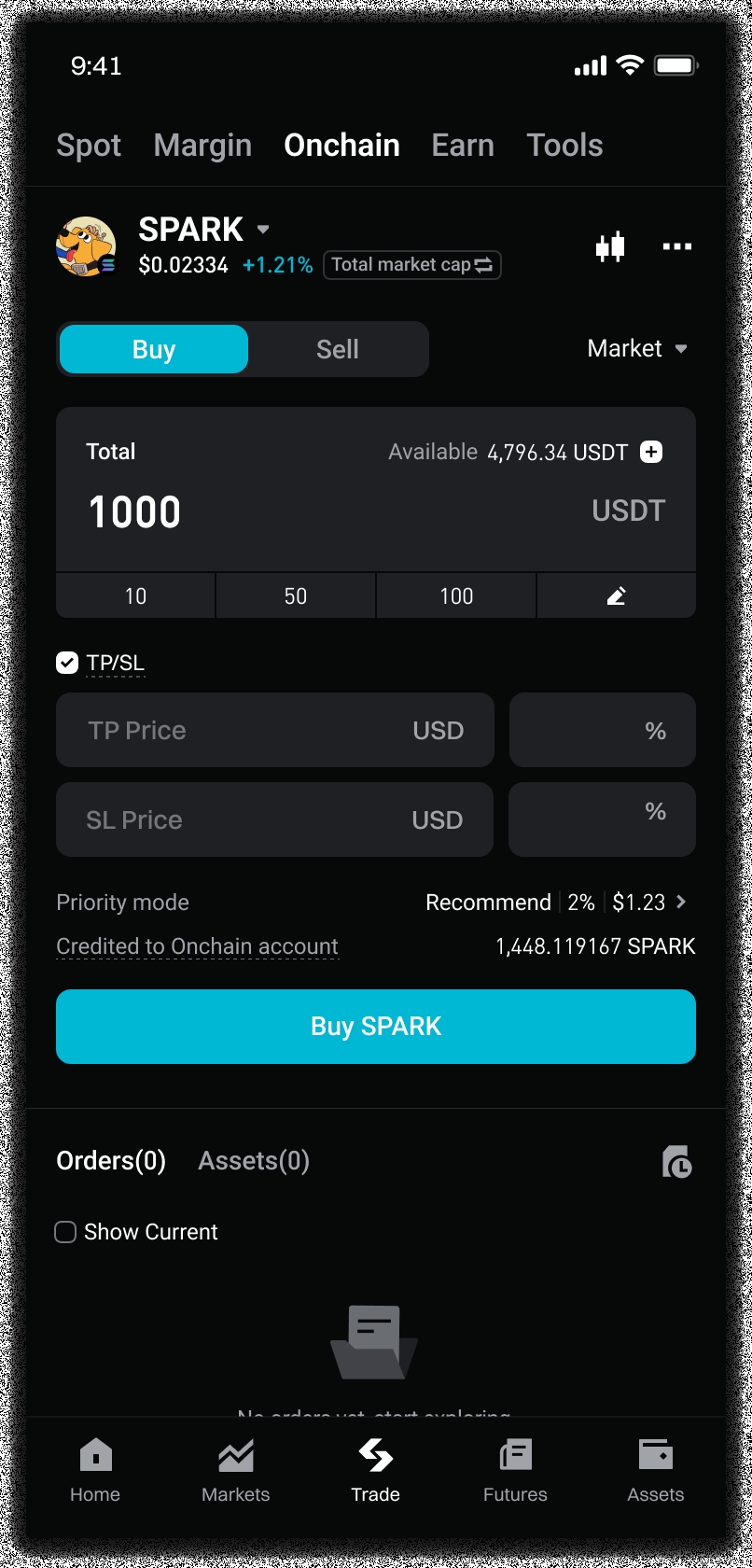
Set stop-loss orders before entering the trade. On-chain execution depends on oracle prices. If your stop is too tight, you may face slippage or premature liquidation during volatility.
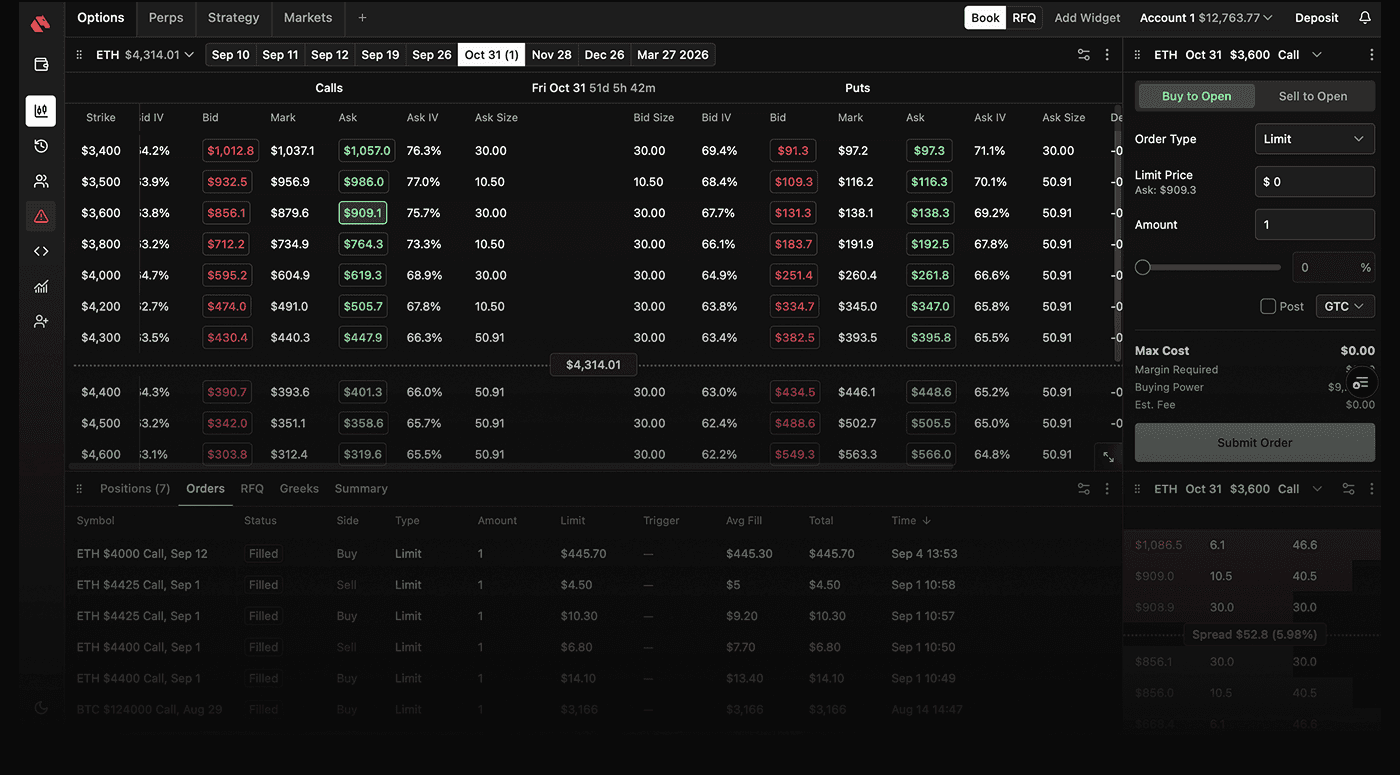
Maintenance margin is the lower ongoing minimum required to keep the position open. If your equity drops below this level, the protocol will liquidate your position. Maintain a buffer above this threshold.
common questions about perp margin
what is the margin in perp trading?
Two margin thresholds govern every leveraged perpetual futures position: initial margin and maintenance margin. Initial margin is the collateral required to open a trade. The formula is straightforward: position size x mark price ÷ leverage. At 10x leverage, opening a $10,000 position requires $1,000 in initial margin. Maintenance margin is the lower ongoing minimum required to keep the position open; falling below this level triggers liquidation.
is perp trading profitable?
Trading perpetual futures can be a highly profitable strategy for pro traders, offering leverage, flexibility, and the opportunity to speculate on asset price movements without the constraint of expiration dates. However, this profit potential comes with significant risk. The same leverage that amplifies gains can rapidly deplete your account during volatile market swings.
what happens if my margin falls below maintenance?
When your account equity drops below the maintenance margin requirement, the protocol will automatically liquidate your position to cover the borrowed funds. This process often involves a liquidation penalty fee, meaning you may lose more than your initial margin deposit. Proper risk management and monitoring of your margin ratio are essential to avoid forced closures.
No comments yet. Be the first to share your thoughts!