
Set up cross-chain margin accounts
Manage Onchain Perp Margin in Cross-Chain Portfolios works best as a sequence, not a scramble through settings. Do the minimum first: confirm compatibility, connect the core hardware, update only when needed, and test the result before adding optional features. That order keeps the task understandable and makes failures easier to isolate. After each step, pause long enough for the interface to finish syncing. Many setup problems are timing problems disguised as configuration problems. If the same step fails twice, record the exact error, restart the smallest affected piece, and retry before moving deeper.

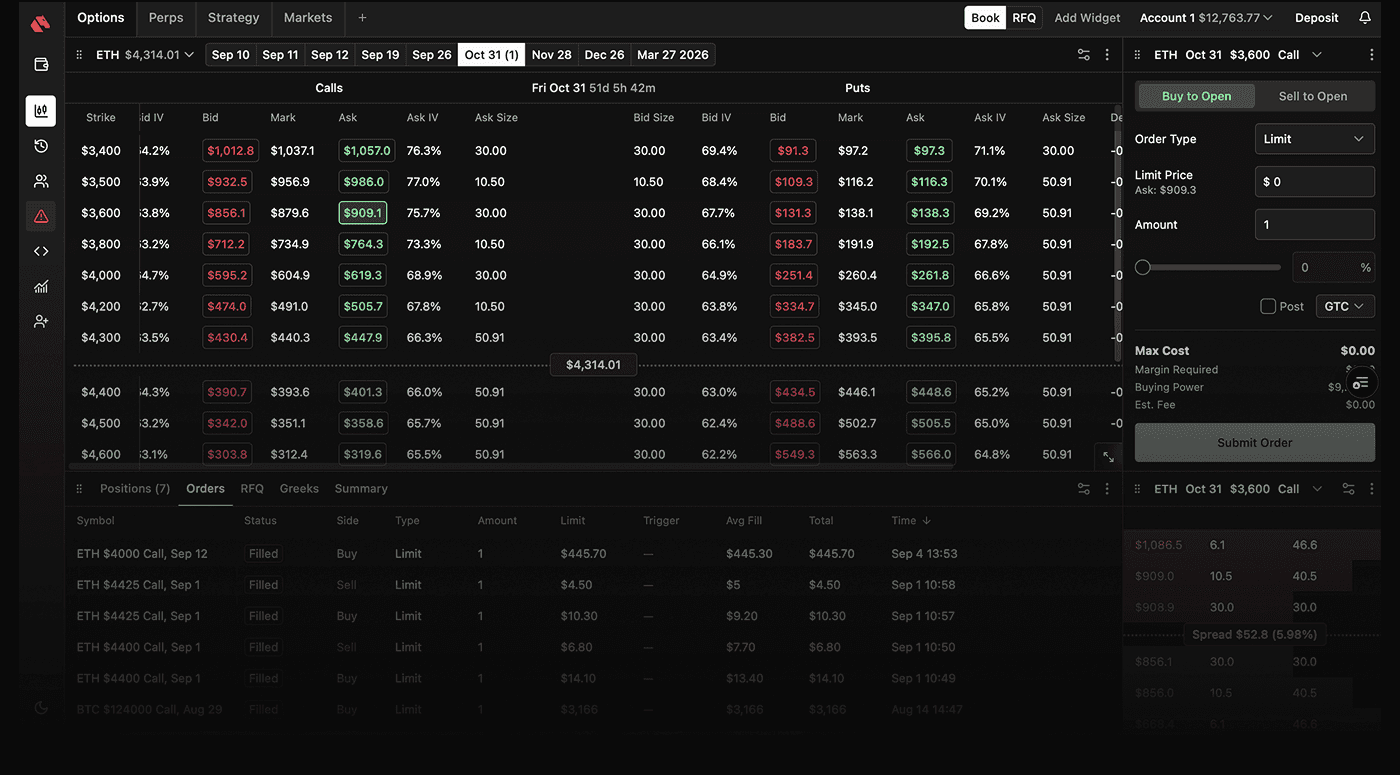
Calculate initial and maintenance margin
Margin is the collateral you lock up to open and hold a leveraged position. Understanding the math behind these requirements prevents unexpected liquidations when volatility spikes. You need to distinguish between the entry cost and the survival threshold.
Initial margin: the entry cost
Initial margin is the minimum collateral required to open a trade. It acts as a security deposit, ensuring you have enough skin in the game to cover potential losses. Onchain perpetuals often use a percentage of the position size, meaning higher leverage requires less initial margin but increases risk.
Maintenance margin: the survival threshold
Maintenance margin is the lower ongoing minimum required to keep the position open. If your account balance falls below this level, the system triggers a liquidation. This threshold is typically set at 50% or less of the initial margin, creating a buffer for normal market fluctuations before the position is forcibly closed.
Isolated vs. cross-margin requirements
Your margin mode determines how these requirements apply across your portfolio. Isolated margin limits risk to a single position, while cross-margin uses your entire balance as collateral. Understanding the difference helps you manage risk across chains without overexposing your assets.
| Feature | Isolated Margin | Cross Margin | Risk Profile |
|---|---|---|---|
| Collateral Source | Position-specific funds | Total account balance | Limited to allocated amount |
| Liquidation Price | Higher (closer to entry) | Lower (further from entry) | Buffered by other assets |
| Complexity | Simple to track | Requires portfolio monitoring | Interconnected positions |
Monitor AI liquidation engine triggers
On-chain perpetual futures rely on smart contracts to handle order matching, margin calculations, and settlement without a central intermediary. Because these protocols track PnL and margin requirements automatically, they seize assets when a user defaults or faces insufficient margin. This automation creates a liquidation engine that operates with a speed and precision that traditional, human-monitored systems cannot match.
The engine functions as a continuous surveillance system. It scans the blockchain for price feeds and portfolio health in real-time. When your margin ratio drops below the protocol's threshold, the system initiates a liquidation immediately. There is no waiting for a margin call email or a manual review. The code executes the liquidation logic instantly to protect the protocol's solvency.
This speed is a double-edged sword. While it prevents cascading defaults across the network, it also means you have very little time to react manually. The AI-driven or algorithmic nature of these triggers means they do not sleep or hesitate. They act on the first available block that confirms the breach.

To manage this risk, you must understand the specific trigger thresholds of the protocol you are using. Some protocols use a "liquidation penalty" model, where a portion of your collateral is burned to cover the loss. Others may use an auction mechanism. Knowing how your specific platform handles the liquidation event is critical for estimating your maximum possible loss before the engine pulls the trigger.
Adjust positions to avoid liquidation
Liquidation triggers when your margin balance falls below maintenance requirements, which are typically 50% or less of your initial margin [src-serp-7]. When your margin ratio drops, you must act quickly to restore safety. You have three primary levers: adding collateral, reducing leverage, or closing partial positions.
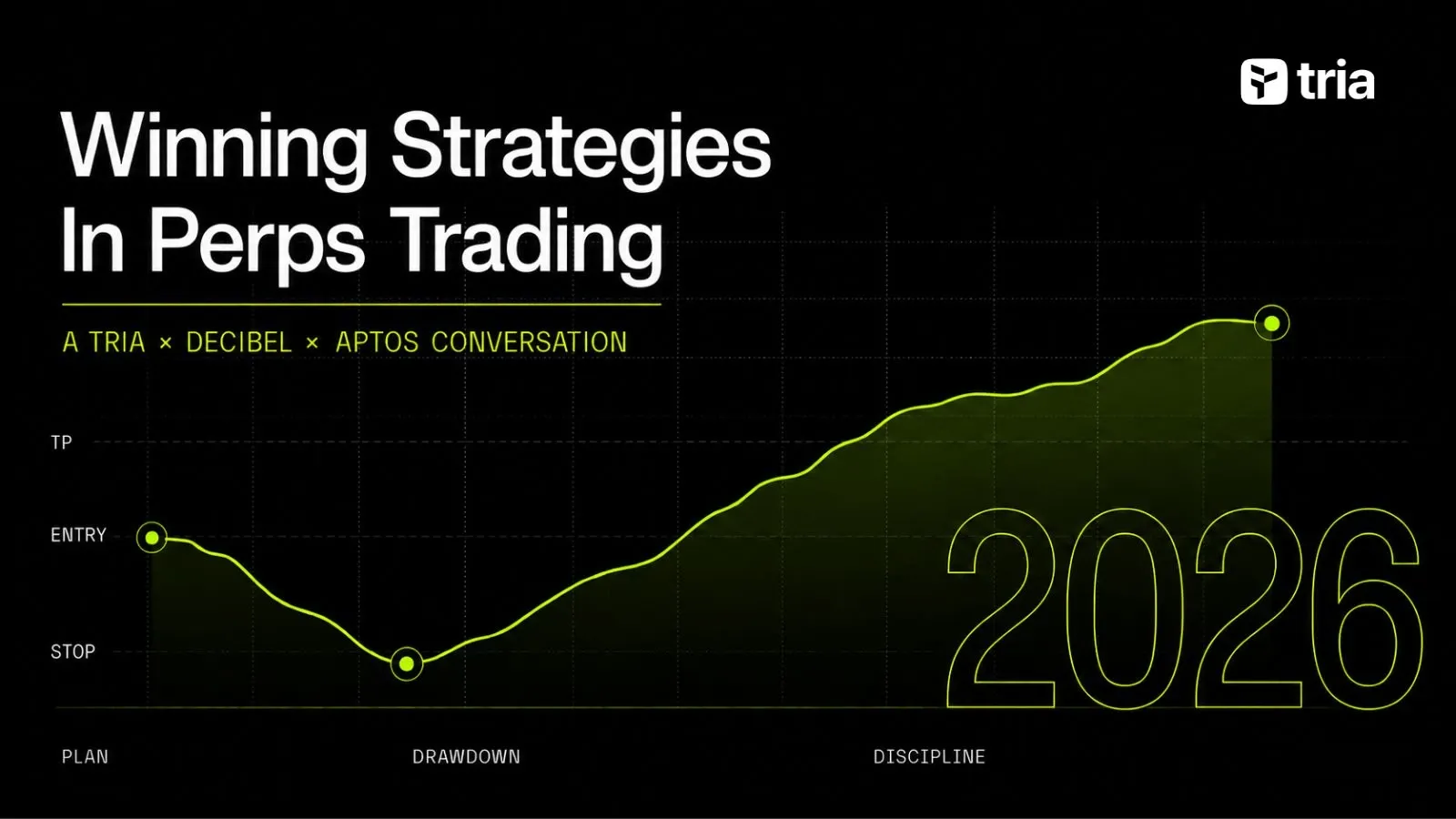
Transfer additional assets into the trading interface to increase your available margin. This is the fastest way to lower your leverage ratio without altering your market exposure. Ensure you deposit stablecoins or accepted collateral tokens to avoid execution delays.
Decrease your exposure by closing a portion of the position or reducing the leverage multiplier. This action immediately improves your margin ratio and reduces the liquidation price. It is often the safest move during high volatility when funding rates spike.
On-chain perpetuals require real-time monitoring across different chains. Use a portfolio tracker to view your aggregated margin ratio across all active positions. Set alerts for when your ratio approaches critical thresholds to prevent unexpected liquidations.
-
Check current margin ratio vs. maintenance margin
-
Verify available collateral on the active chain
-
Confirm transaction fees for cross-chain bridge
No comments yet. Be the first to share your thoughts!