
How onchain perpetual margin works
Onchain perpetual margin replaces the custodial model of centralized exchanges with smart contract logic. In traditional finance, an exchange holds your collateral and manages risk behind a closed system. Onchain, the margin is locked directly in the protocol. This structural shift removes the counterparty risk of a centralized intermediary freezing assets, but it introduces smart contract risk. The code becomes the regulator, and its security is the only barrier between your funds and a liquidation.
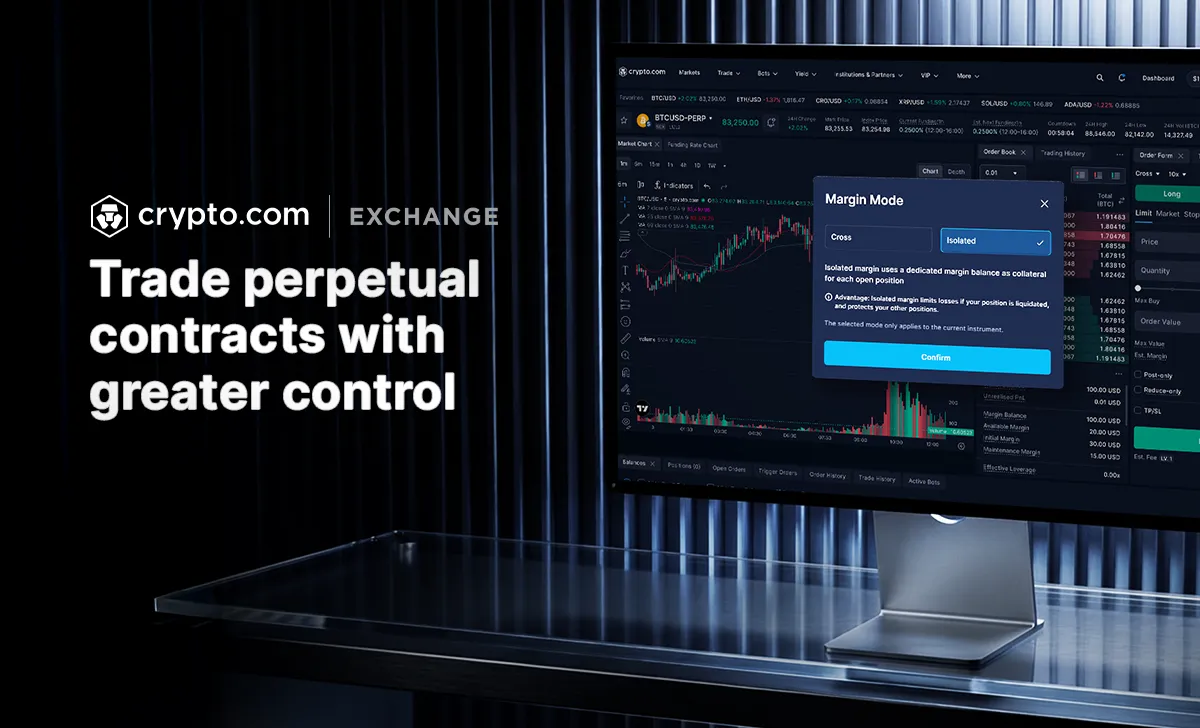
The mechanics rely on two distinct collateral thresholds: initial margin and maintenance margin. Initial margin is the collateral required to open a trade. It acts as the entry fee, ensuring the trader has sufficient skin in the game to absorb initial volatility. Maintenance margin is the lower, ongoing minimum required to keep the position open. As long as the position’s value stays above this maintenance level, the trade remains active.
This dynamic creates a continuous liquidation risk. If market movements erode the collateral value below the maintenance margin, the position is automatically liquidated by the protocol. Unlike centralized exchanges, where liquidation engines may be opaque or subject to manual intervention, onchain liquidations are executed by immutable code. This transparency ensures that liquidations happen precisely when the math dictates, without delay or discretion. The trader’s risk is no longer against a company’s solvency, but against the protocol’s integrity and the accuracy of its price oracles.
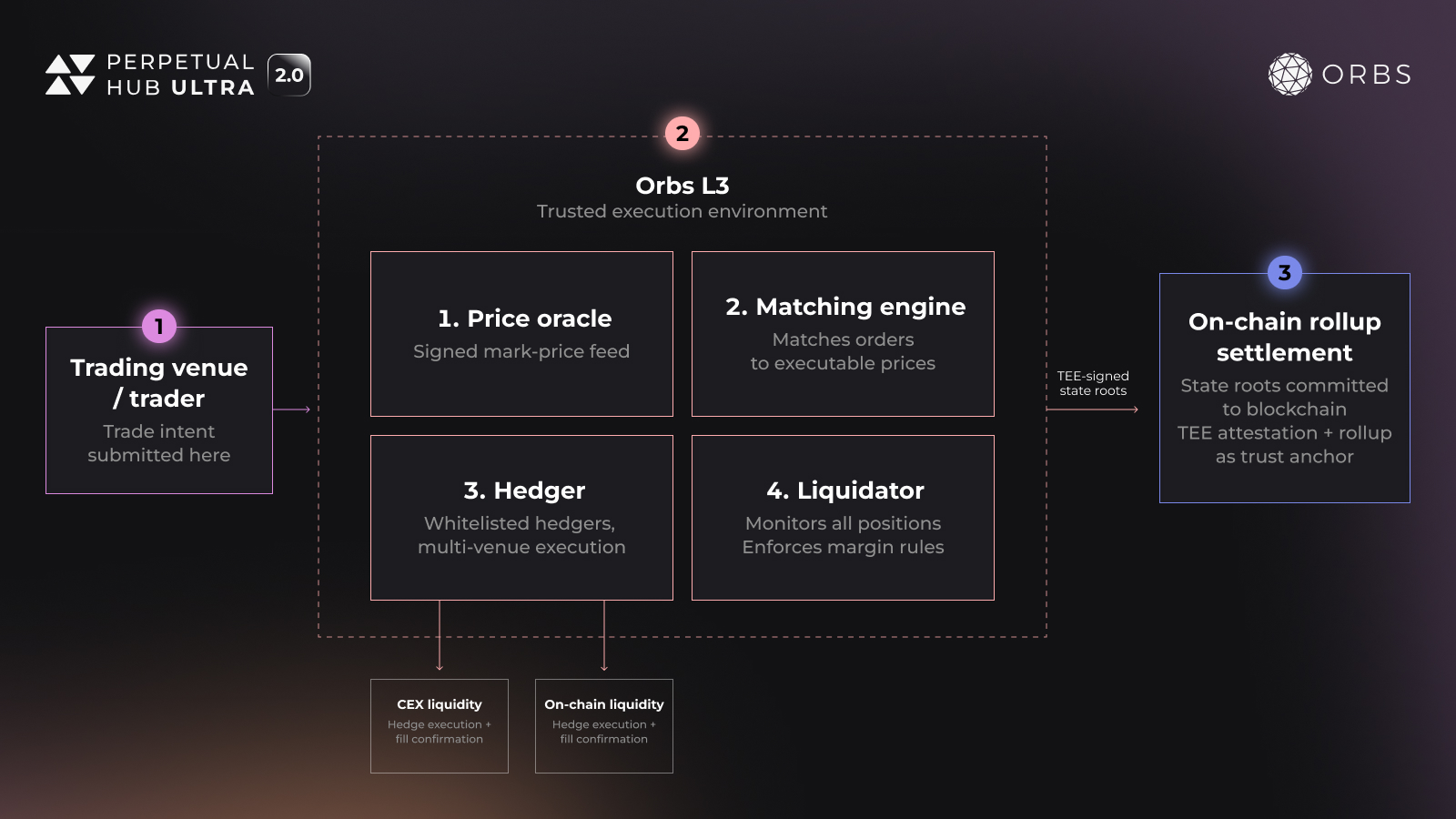
The infrastructure enabling this trustless execution is built on-chain. Perpetual futures on blockchain networks allow trading without intermediaries acting as market makers. This decentralization means that liquidity is often aggregated from various sources, including automated market makers and order book protocols, rather than provided by a single entity. The result is a market where leverage is accessible globally, but the burden of security and risk management falls entirely on the protocol’s design and the trader’s diligence.
Unified liquidity pools drive margin efficiency
Cross-chain liquidity pools fundamentally alter how onchain perpetual margin functions by aggregating capital across disparate blockchains. Instead of capital sitting fragmented in isolated silos, unified pools create a single, deep source of liquidity. This consolidation directly reduces slippage for large positions and allows for more efficient capital allocation, impacting effective margin usage.
When liquidity is unified, the depth of the order book increases significantly. Traders can execute larger trades without moving the price against themselves. This is critical for margin efficiency because high slippage acts as an invisible tax on leverage. By minimizing this friction, traders can maintain tighter stop-losses and achieve better entry and exit points, effectively stretching the utility of their deposited margin.
The mechanism relies on cross-chain bridges and interoperability protocols that route orders to the deepest available liquidity. For example, a trader on a Layer 2 solution can access liquidity originally deposited on Ethereum mainnet or Solana. This creates a more resilient market structure where margin requirements can be optimized based on the total available capital rather than the liquidity of a single chain.

| Feature | Isolated Liquidity | Unified Cross-Chain Liquidity |
|---|---|---|
| Slippage | High for large orders | Low due to aggregated depth |
| Capital Efficiency | Fragmented, lower utilization | High, pooled capital optimization |
| Margin Utilization | Restricted by single-chain limits | Enhanced via cross-chain access |
| Market Resilience | Vulnerable to single-chain congestion | Diversified across multiple chains |
The result is a trading environment where margin is not just a safety deposit, but a dynamic tool. Unified pools allow for finer granularity in position sizing and risk management. Traders can allocate smaller amounts of margin to achieve the same notional exposure with less risk of liquidation due to transient price spikes. This efficiency is the cornerstone of high-stakes onchain perpetual trading.
Comparing margin requirements across venues
Capital efficiency is the primary differentiator in onchain perpetual trading. While many platforms advertise high leverage, the actual cost of maintaining a position depends on the interplay between initial margin ratios, maintenance margins, and funding rate structures. A platform offering 100x leverage is only attractive if the funding costs do not erode alpha during volatile market conditions.
Hyperliquid leads the current market in capital efficiency for high-frequency strategies. By utilizing a proprietary order-matching engine and a unified margin account, it allows traders to hold positions across multiple assets with shared collateral. This cross-margining capability effectively reduces the required initial margin for diversified portfolios compared to isolated-margin venues. The platform’s funding rate mechanism is also designed to converge quickly with spot prices, minimizing the cost of holding directional positions over time.
Solayer approaches margin trading through a multi-asset lens, integrating crypto, commodities, and equities into a single non-custodial interface. Its margin requirements are calibrated to manage risk across these diverse asset classes, often requiring higher initial margins than pure crypto venues to account for the broader liquidity risks. However, the unified access allows traders to hedge equity exposure with crypto collateral without bridging assets between separate platforms. This reduces counterparty risk and operational friction for institutional-grade participants.
Perp.com targets a different niche by focusing on prediction markets and finite events. Its margin requirements are tailored to binary or multi-outcome settlements rather than continuous price discovery. Leverage is capped at 5x, which significantly reduces the risk of liquidation during high-volatility events but limits the capital efficiency for speculative traders. The funding model is adapted to the settlement timeline, meaning costs are accrued differently than in traditional perpetual contracts. Traders seeking high leverage should look elsewhere, but those trading event outcomes may find the structured risk profile advantageous.
| Platform | Initial Margin | Maintenance Margin | Funding Rate | Leverage Cap |
|---|---|---|---|---|
| Hyperliquid | 5% | 3% | Variable, spot-convergent | 50x |
| Solayer | 10-20% | 5-10% | Asset-specific, multi-class | 20x |
| Perp.com | 20% | 10% | Event-based, fixed terms | 5x |
Managing liquidation risk in volatile markets
Cross-chain liquidity offers deeper order books, but it does not immunize your position against sudden price dislocations. In onchain perpetuals, liquidation is not a bug; it is a deterministic trigger based on the ratio of your collateral to the maintenance margin. When volatility spikes, the speed at which your margin ratio approaches this threshold determines whether you survive the move or get flushed out.
The mechanics are straightforward but unforgiving. Initial margin is the collateral required to open a trade, while maintenance margin is the lower ongoing minimum required to keep the position open [src-serp-2]. If the market moves against you and your equity falls below the maintenance margin, the protocol automatically closes your position. This process is faster and more precise than in traditional finance, leaving little room for manual intervention once the cascade begins.
To mitigate this risk, you must actively monitor the distance between your entry price and your liquidation price. Do not rely on the exchange’s default leverage settings, which often push you dangerously close to the edge. Instead, treat margin as a dynamic buffer that shrinks during high volatility. A position that feels safe in a trending market can become insolvent in a single flash crash.
1. Monitor the Margin Ratio in Real Time
Your margin ratio is the percentage of your account value that is currently at risk. Unlike centralized exchanges that may provide delayed snapshots, onchain data is transparent and immediate. Use a dashboard that tracks your specific position’s health across the relevant chain. If your ratio drops below 200%, you are entering the danger zone where a minor wick can trigger a liquidation. Set up alerts for these thresholds so you can react before the protocol does.
2. Adjust Leverage During Volatility Spikes
High leverage amplifies gains but compresses your liquidation price. During periods of elevated volatility, such as major macroeconomic announcements or network congestion events, consider reducing your leverage. This widens the gap between your current price and your liquidation price, providing more room for the market to breathe. Think of leverage as a throttle; you do not need to be at 100% to move forward, and backing off can prevent catastrophic loss.
3. Maintain Extra Collateral for Cross-Chain Friction
Cross-chain positions introduce additional risks, including bridge delays and liquidity fragmentation. If you are using a bridge to move collateral, ensure you have enough excess margin to cover potential slippage or failed transactions. A position that is perfectly hedged on one chain can become under-collateralized if the bridge stalls during a volatile period. Always keep a buffer of at least 10-15% above the minimum maintenance requirement to absorb these frictions.
Before entering any trade, calculate your exact liquidation price. Most onchain interfaces display this, but verify it manually using the current mark price and your leverage ratio. Ensure this price is far enough away from the current market price to withstand normal volatility.
Do not wait for your exchange to notify you. Set up independent price alerts for your liquidation price and a warning threshold (e.g., 1.5x your liquidation price). This gives you time to add collateral or close the position before the protocol triggers a forced sale.
High funding rates can erode your collateral over time, especially if you are holding a long position in a bullish market. Check the funding rate every few hours. If it is significantly positive, consider closing or reducing your position to avoid paying excessive fees that could push you toward liquidation.
Frequently asked questions on margin
What is the margin in perpetuals?
Margin is the capital you must deposit to open a perpetual position. It acts as collateral, guaranteeing your ability to cover potential losses. If your margin balance drops below the maintenance requirement, the position faces liquidation. This mechanism allows traders to control larger positions with less upfront capital, amplifying both gains and risks.
How does onchain margin differ from offchain?
Offchain margin typically requires transferring funds to a centralized exchange's internal ledger. Onchain margin keeps assets in your self-custody wallet, interacting directly with smart contracts. This reduces counterparty risk but introduces smart contract risk. Liquidity aggregation across chains can also affect execution speed and slippage compared to centralized order books.
What is cross-chain margin?
Cross-chain margin allows you to use assets from one blockchain (like Ethereum) to trade on another (like Solana or Arbitrum). It eliminates the need to bridge funds manually before trading. This improves capital efficiency by letting you utilize idle assets across multiple ecosystems without moving them through potentially slow or costly bridges.
No comments yet. Be the first to share your thoughts!