
Set up your trading wallet
Use Onchain Perp Margin for High-Leverage Trading Without Liquidation works best as a sequence, not a scramble through settings. Do the minimum first: confirm compatibility, connect the core hardware, update only when needed, and test the result before adding optional features. That order keeps the task understandable and makes failures easier to isolate.
After each step, pause long enough for the interface to finish syncing. Many setup problems are timing problems disguised as configuration problems. If the same step fails twice, record the exact error, restart the smallest affected piece, and retry before moving deeper.

Choose cross-margin mode
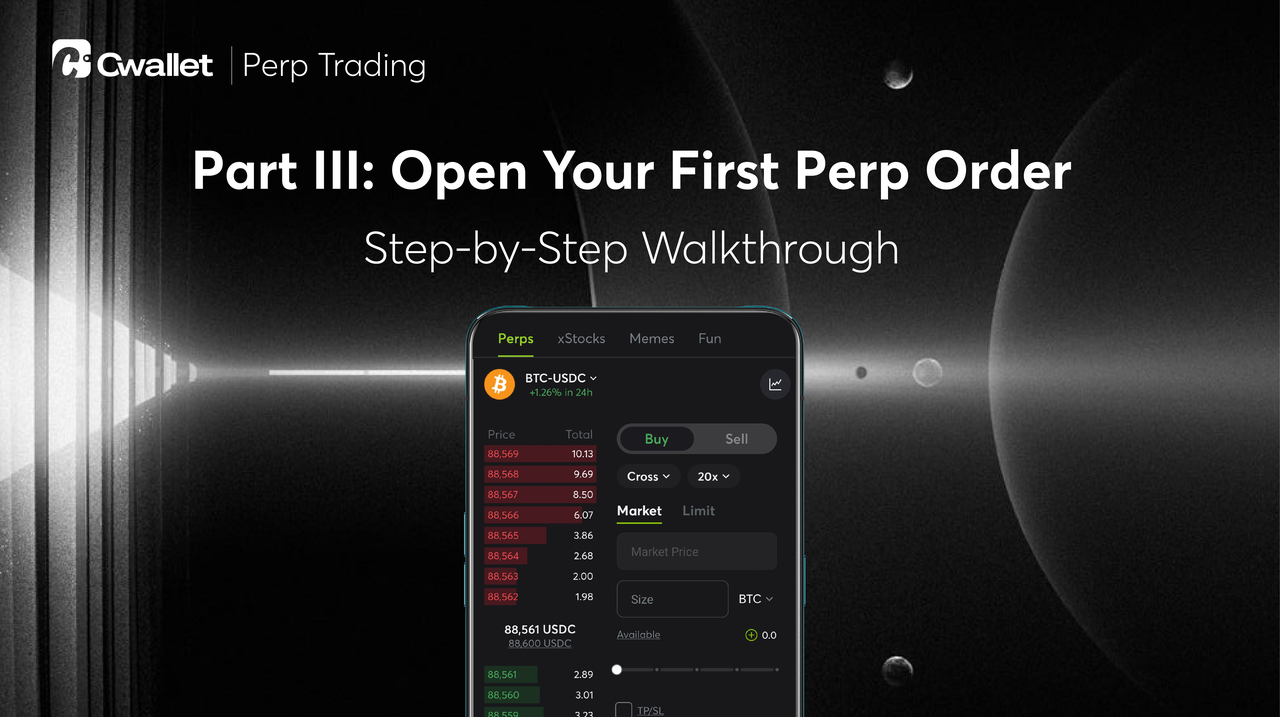
Cross-margin is the preferred strategy for managing onchain perp margin when targeting high leverage. It treats your total account equity as collateral for all open positions, creating a larger buffer against liquidation compared to isolated margin. This mode is essential for traders who want to withstand volatility without being stopped out by a single adverse price move.
How cross-margin protects your positions
When you select cross-margin, the exchange or DEX protocol pulls available funds from your total account equity. If one position moves against you, the system uses your other balances to cover the floating loss. This effectively lowers your liquidation price, giving your trades more room to breathe during market swings. It transforms your total capital into a shared safety net rather than a siloed deposit.
The capital efficiency trade-off
While cross-margin reduces the risk of liquidation, it exposes your entire portfolio to the risk of a single position. A significant loss in one market can drain funds that were intended for other trades or savings. You must ensure your total equity is sufficient to absorb potential drawdowns across all active positions.
| Feature | Cross-Margin | Isolated Margin |
|---|---|---|
| Collateral Source | Total account equity | Specific position deposit only |
| Liquidation Risk | Lower (shared buffer) | Higher (limited buffer) |
| Capital Efficiency | High (uses idle funds) | Low (capital is tied up) |
| Loss Exposure | Portfolio-wide | Position-specific only |
When to use cross-margin
Use cross-margin when you are confident in your overall portfolio management and want to maximize the utility of your onchain perp margin. It is particularly useful for strategies that involve holding multiple positions across different assets, where the risk is diversified. If you are trading high leverage, this mode provides the necessary slack to avoid premature liquidation during normal market volatility.
Open a position with strict leverage
Use Onchain Perp Margin for High-Leverage Trading Without Liquidation works best as a clear sequence: define the constraint, compare the realistic options, test the tradeoff, and choose the path with the fewest hidden costs. That order keeps the advice usable instead of decorative.
After each step, pause long enough to check whether the recommendation still fits the reader's actual situation. If it depends on perfect timing, unusual access, or a best-case budget, include a simpler fallback.
Monitor funding rates and liquidation prices
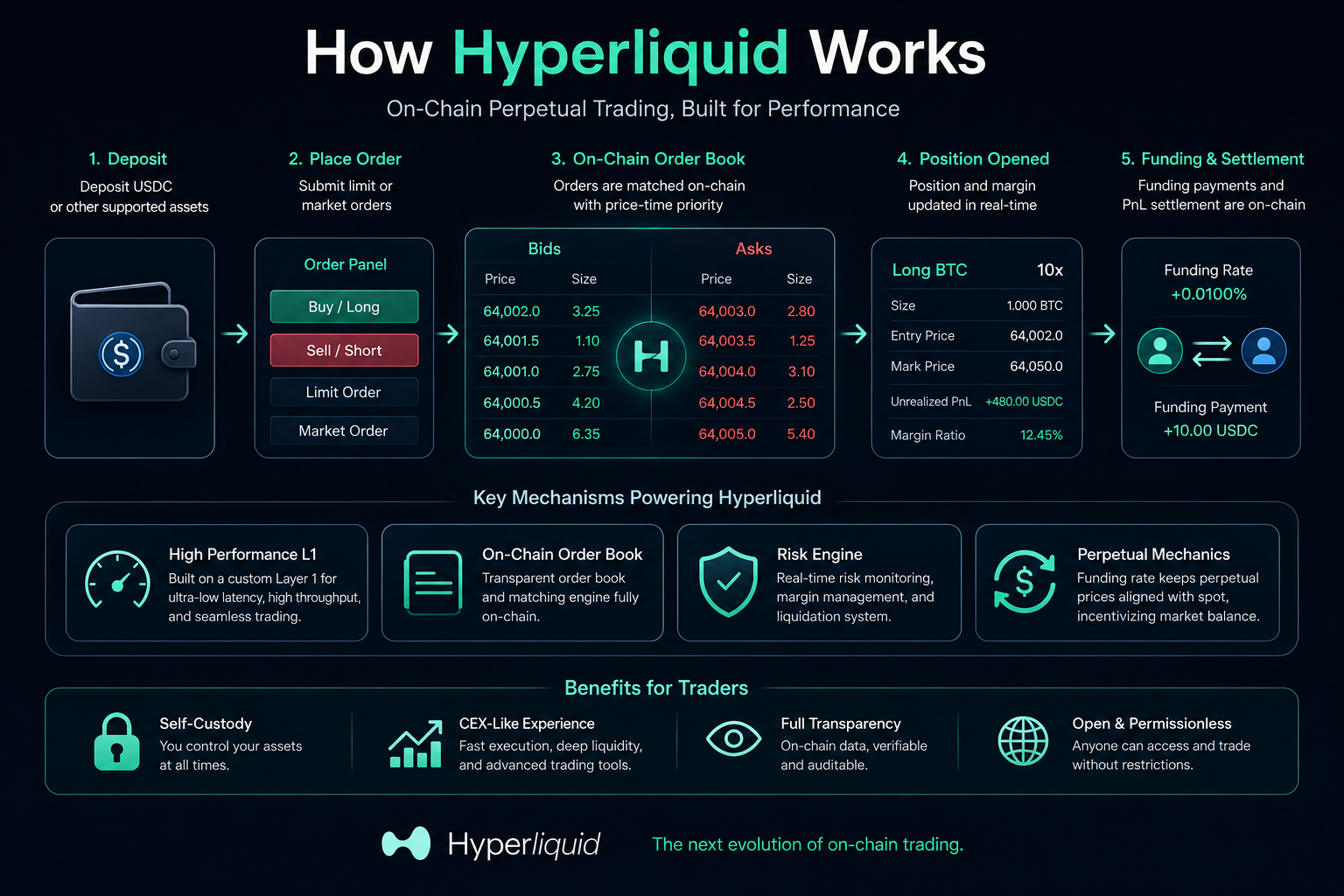
Onchain perp margin allows you to trade with high leverage, but it also means small market moves can trigger liquidation if you aren't watching the right numbers. You need to track two specific metrics: your liquidation price and the current funding rate.
Watch your liquidation price
Your liquidation price is the point where the exchange automatically closes your position because your margin is insufficient to cover losses. This price moves as the market moves. If you are using cross-margin, your liquidation price is generally further away because it draws from your total account equity. If you are using isolated margin, it is closer because it only uses the funds allocated to that specific position.
Set a price alert on your exchange or trading terminal for your liquidation price. Do not wait for the notification to arrive; by then, it is often too late. If the market is volatile, consider adding more margin to your position to push the liquidation price further away, giving your trade more room to breathe.
Track funding rates
Funding rates are payments exchanged between long and short traders to keep the perp price close to the underlying asset. If the funding rate is positive, longs pay shorts. If it is negative, shorts pay longs. High funding rates can eat into your profits or accelerate losses if the market reverses.
Check the funding rate before opening a position and monitor it regularly. A sudden spike in funding rates can signal overcrowding in one direction, which often precedes a sharp correction. If you are holding a position through a funding payment, ensure your margin can absorb the cost. If the rate is consistently against you, it may be time to close the position or hedge.
Close positions before margin runs out
Onchain perp margin trading moves fast. If your collateral drops too low, the protocol liquidates your position automatically, often at a loss. You can avoid this by setting strict exit rules and executing them before the system does.
Define your maximum acceptable loss before you open a trade. Place a stop-loss order at this price level. This ensures you exit the position automatically if the market moves against you, protecting your remaining onchain perp margin from further erosion.
Keep your eye on the liquidation price displayed in your trading interface. If the gap between your entry price and the liquidation price narrows significantly, consider closing the position manually. Waiting too long can result in liquidation fees that reduce your returns further.
Don’t wait for the absolute peak to exit. Close portions of your position as they reach profitable targets. This locks in gains and reduces the amount of onchain perp margin exposed to market volatility, lowering your overall risk profile.
High funding rates can erode your margin over time, even if the price stays stable. If funding costs become excessive, consider closing your position or hedging. This prevents your margin balance from shrinking due to periodic payments rather than price movement.
Before you close, verify your account status. Ensure you have enough margin buffer to cover any final fees or slippage.
-
Verify current PnL and margin ratio
-
Check upcoming funding rate payments
-
Confirm sufficient margin for closing fees
Common onchain perp margin mistakes
Using cross-margin for a single high-leverage bet is a fast way to drain your total account equity. In cross-margin mode, every asset in your connected wallet acts as collateral. If one position moves against you, the protocol can liquidate the rest of your funds to cover the loss. Treat cross-margin like a shared bank account, not a dedicated trading fund.

Frequently asked questions about onchain perp margin
What is the margin in perp trading?
Margin is the collateral you deposit to open a perpetual futures position. It acts as a guarantee against potential losses. The exchange holds these funds to ensure you can cover adverse price movements. Without sufficient margin, your position faces liquidation.
What are onchain perps?
Onchain perpetual futures are smart contract-based derivatives that never expire. Unlike traditional finance, they settle directly on the blockchain. This structure allows for transparent, non-custodial trading. The market has grown significantly, handling trillions in volume by leveraging crypto-native infrastructure.
How does onchain perp margin differ from centralized exchanges?
Onchain perps use non-custodial wallets rather than centralized account balances. You retain control of your private keys and collateral. This reduces counterparty risk but requires careful management of gas fees and slippage. You interact directly with the protocol rather than a middleman.
What is the difference between cross and isolated margin?
Cross margin uses your entire wallet balance as collateral for a single position. Isolated margin limits the risk to only the funds allocated to that specific trade. If the price moves against you, isolated margin protects the rest of your assets from liquidation.
No comments yet. Be the first to share your thoughts!