
Choose isolated or cross margin
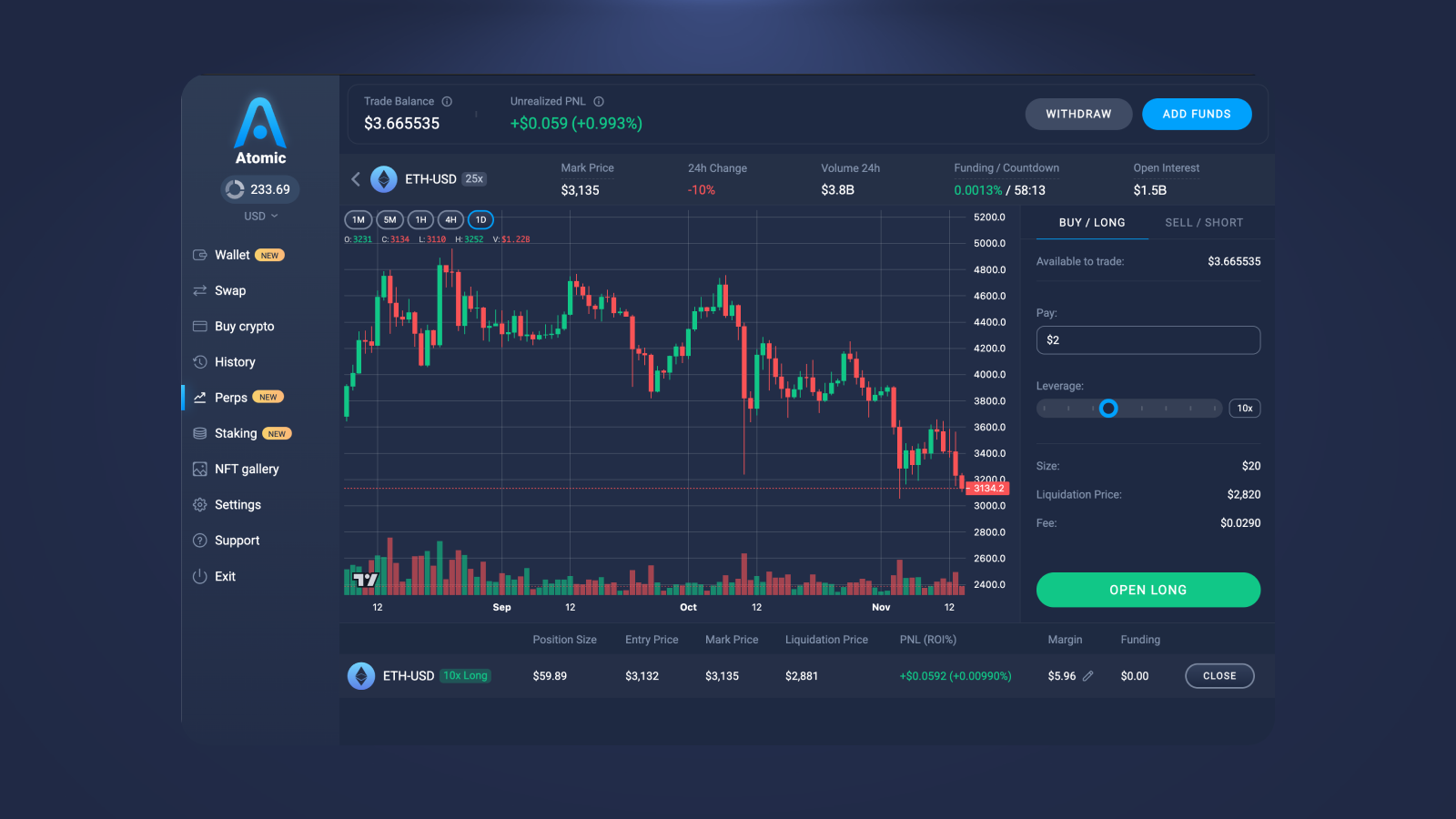
Selecting the right margin mode is the first step in configuring your onchain perpetual futures position. Your choice dictates how your collateral is allocated, how much leverage you can effectively use, and how easily a single losing trade can wipe out your entire portfolio.
Isolated margin treats each position as a separate account. The collateral for that specific trade is ring-fenced from the rest of your wallet. If the position hits its liquidation price, you only lose the funds allocated to that trade. This approach acts like a firewall, containing risk but requiring you to manage capital efficiency for every individual position. It is ideal for traders who want to experiment with new strategies or allocate specific amounts to high-volatility trades without endangering their broader holdings.
Cross margin, by contrast, links all available collateral in your account to the position. This means your entire balance serves as the buffer against price fluctuations. While this significantly increases capital efficiency—allowing you to maintain larger positions with less upfront capital—it also exposes your entire portfolio to liquidation risk. A sharp adverse move can drain your entire wallet, not just the portion assigned to the trade.
| Feature | Isolated Margin | Cross Margin |
|---|---|---|
| Risk Exposure | Limited to allocated collateral | Entire account balance at risk |
| Liquidation Price | Higher (closer to entry) | Lower (further from entry) |
| Capital Efficiency | Lower (funds tied per position) | Higher (shared collateral) |
| Best For | Specific trade management | Maximizing leverage capacity |
The decision ultimately rests on your risk tolerance. If you prefer precise control over how much you can lose on a single trade, isolated margin is the safer default. If you are actively managing a portfolio and want to avoid frequent margin calls by leveraging your total balance, cross margin offers greater flexibility. Understanding this distinction prevents unexpected liquidations and keeps your trading capital intact.

Set up your cross-chain wallet
Managing onchain perp margin across chains requires a multi-chain wallet capable of signing transactions on different networks. Most perpetual trading protocols live on high-throughput chains like Solana or Ethereum L2s, so your wallet must support these specific environments. Without the right configuration, you cannot bridge assets or interact with liquidity pools.
1. Install a multi-chain wallet
Start by installing a wallet that supports both EVM-compatible chains and non-EVM networks like Solana. MetaMask is standard for Ethereum and its Layer 2s, while Phantom is the primary choice for Solana-based perps. Ensure you have both installed if you plan to trade across these distinct ecosystems. Verify the official download links to avoid phishing sites.
2. Add network configurations
Wallets do not always include every blockchain by default. Manually add the RPC endpoints for the networks where your target perp protocols operate. For Solana, use the official RPC URL. For Ethereum L2s like Arbitrum or Base, add their specific network details. This step ensures your wallet can read balances and send transactions to the correct chain.
3. Bridge assets to the target chain
You cannot trade on a chain you do not hold assets on. Use a reputable bridge to move capital from your source chain (like Ethereum Mainnet) to the target chain (like Solana or an L2). Bridges lock assets on the source and mint equivalents on the destination. Always verify the bridge’s official URL, as fake bridges are a common vector for draining wallets.
4. Verify wallet connectivity
Before depositing significant margin, test your setup with a small amount. Connect your wallet to the perp protocol’s interface and attempt to view your balance. This confirms that your network configurations are correct and that your bridged assets are visible. If the balance shows zero, check the token contract address and network selection.
Monitor real-time LTV and funding
You cannot manage onchain perp margin by checking your balance once and walking away. The market moves 24/7, and your position health shifts with every tick. To avoid unexpected liquidations, you need to track two specific metrics in real time: your Loan-to-Value (LTV) ratio and the current funding rate.
Think of your LTV as your safety buffer. It represents the ratio of your borrowed funds to your total collateral. If your LTV rises too high, you are over-leveraged. Perp protocols track PnL and margin requirements continuously, seizing assets when a user defaults or gets liquidated due to insufficient margin [src-serp-7]. Most platforms set a liquidation threshold at an LTV of roughly 90-95%. If your collateral value drops while your debt stays the same, your LTV climbs toward that cliff.
Funding rates are the second piece of the puzzle. These are periodic payments exchanged between long and short traders to keep the perp price close to the spot price. When funding is positive, longs pay shorts. When negative, shorts pay longs. During high volatility, these rates can spike dramatically, acting as a tax on your position even if the price doesn't move.
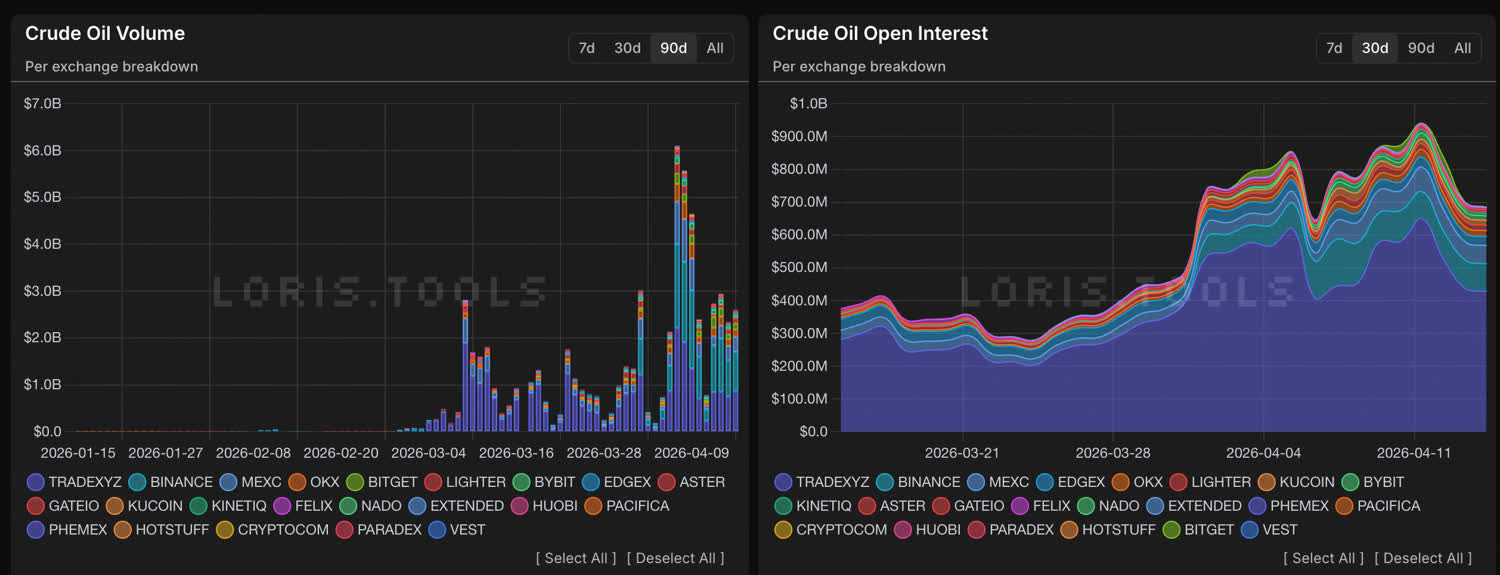
A Callout is the best way to flag this risk: funding rate spikes during high volatility can erode your margin faster than price action alone.
How to track it
- Set LTV Alerts: Most trading dashboards allow you to set alerts for specific LTV percentages. Set a warning at 80% and a critical alert at 90%. This gives you time to add collateral or reduce size before liquidation logic triggers.
- Watch Funding Clocks: Funding payments usually occur every 8 hours. Check the time remaining before the next payment. If the rate is unusually high, consider closing or hedging your position before the payment hits.
- Use Cross-Margin Wisely: Cross-margin enables efficient multi-position management by pooling collateral across all positions [src-serp-3]. However, this also means a loss in one position can drain the collateral backing another. Monitor your total account LTV, not just individual position metrics.
By keeping a close eye on these two levers, you maintain control over your risk exposure. You are not just hoping the market moves in your favor; you are actively ensuring you have the margin to survive if it doesn't.
Add collateral to avoid liquidation
The easiest mistake with Manage Onchain Perp Margin Across Chains is comparing options on the most visible detail while ignoring the day-to-day constraint. A choice can look strong on paper and still fail because it is too hard to maintain, too expensive to repeat, or awkward in the actual setting. Use the same checklist for every option: fit, cost, durability, timing, upkeep, and fallback plan. That keeps the comparison practical instead of drifting into preference alone.
Common questions about perp margin
Understanding how margin works and what to expect from profitability helps you avoid unexpected liquidations.
No comments yet. Be the first to share your thoughts!