
Get onchain perp margin right
Onchain perpetual futures allow traders to borrow leverage directly from liquidity pools, but this convenience introduces unique risks compared to centralized exchanges. The primary constraint is not just capital, but the complexity of managing slippage, oracle latency, and smart contract risk. Start by defining your risk tolerance: are you hedging an existing position or speculating on volatility? This distinction dictates whether you need deep liquidity to minimize slippage or if a smaller pool with higher fees is acceptable for smaller sizes.
Keep the first pass simple enough to verify. Compare the main options against the same criteria, remove choices that only work in ideal conditions, and save optional upgrades for later.
The simplest way to use this section is to write down the real constraint first, compare each option against it, and choose the path that still works outside ideal conditions.
Work through the steps
To set up onchain perp margin effectively, follow a clear sequence: define the constraint, compare the realistic options, test the tradeoff, and choose the path with the fewest hidden costs. That order keeps the advice usable instead of decorative.
After each step, pause long enough to check whether the recommendation still fits the reader's actual situation. If it depends on perfect timing, unusual access, or a best-case budget, include a simpler fallback.
Fix common mistakes
Onchain perp margin troubleshooting should start with a clear boundary: what is actually broken, and what still works normally. Check the display, network connection, paired devices, app access, and recent updates before assuming the whole system needs a reset. A small connection failure can make the main screen feel unreliable even when the core system is fine.
Work from low-risk checks to deeper resets. Confirm power state, safe parking, account access, and signal first. Then restart the interface, wait for it to reload completely, and test the original symptom. Avoid changing multiple settings at once because that makes it harder to know which step actually fixed the problem.
If the issue affects safety information, repeats after every restart, or appears with warning messages, treat the reset as a temporary diagnostic step rather than the final fix. Document the symptom and move to official support instead of stacking more DIY attempts.
The simplest way to use this section is to keep the setup small, verify each change, and record the stable configuration before adding optional accessories.
Onchain perp margin: what to check next
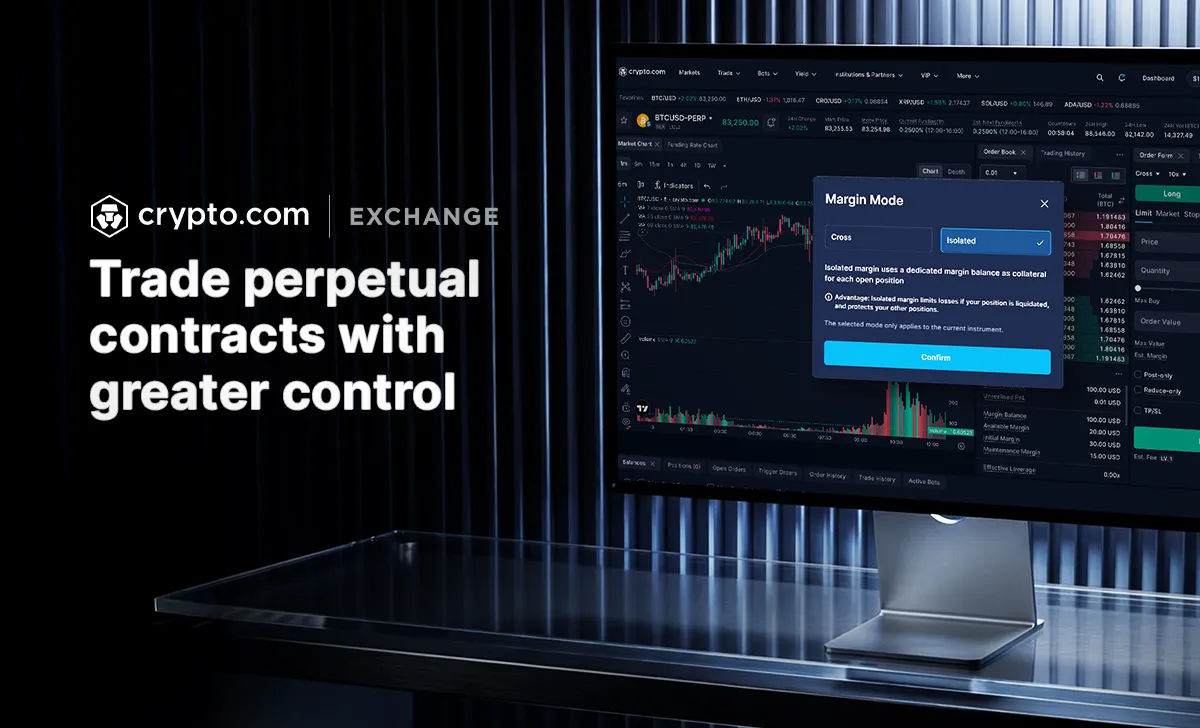
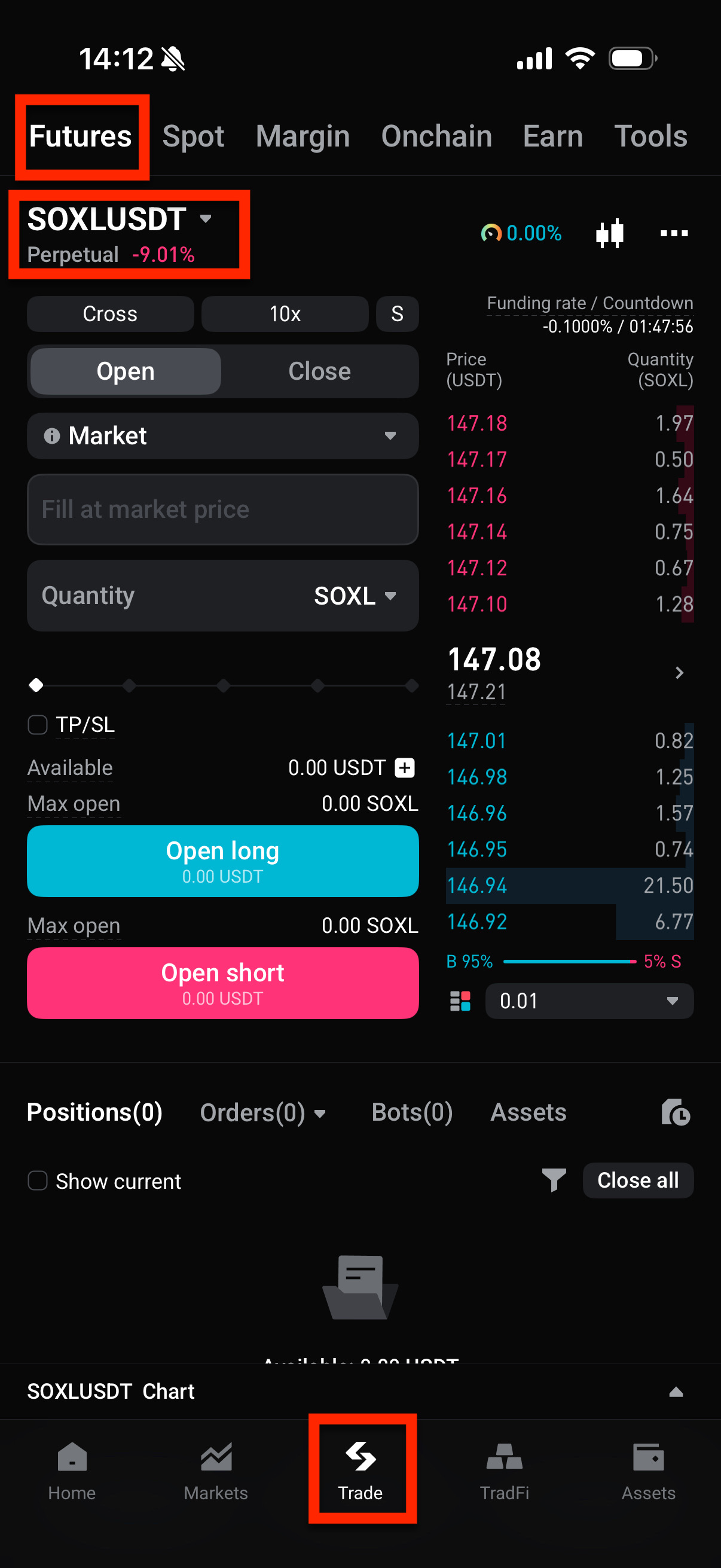
Perpetual futures trade speed and leverage, which naturally amplifies both gains and losses. Understanding the mechanics behind margin levels, exchange limits, and regulatory thresholds helps you avoid common pitfalls before opening a position. Unlike centralized exchanges, onchain protocols often use isolated margin models, meaning a loss in one position does not affect your collateral in another, but it also means you cannot cross-margin to save a losing trade.
No comments yet. Be the first to share your thoughts!