
Get onchain perp margin right
Before opening a position, you need to align your capital structure with the protocol’s liquidation mechanics. Onchain perpetual futures use two distinct margin models: isolated and cross. Choosing the wrong one is the fastest way to lose more capital than intended.
Isolated margin assigns a fixed amount of collateral to a single position. If the trade fails, only that specific allocation is lost. This acts as a circuit breaker, keeping the rest of your wallet safe. It is the standard choice for most traders because it caps downside risk to the amount you explicitly deposited.
Cross margin pools all available wallet balance into one liquidity pool. This allows positions to share collateral, which can prevent liquidation during temporary volatility. However, it also exposes your entire wallet to liquidation if the market moves against you. This model is generally reserved for high-frequency arbitrage or market-making strategies where capital efficiency is the primary goal.
The choice between these models dictates your liquidation price. Isolated margin sets a precise liquidation threshold based on the deposited amount. Cross margin pushes the liquidation point further away by using your total balance, but the risk is systemic. Start with isolated margin to understand the mechanics without risking your entire portfolio.
Work through the steps
Optimizing onchain perp margin efficiency requires a disciplined workflow. You must balance leverage against liquidation risk while managing funding rates and collateral decay. This sequence walks you through the exact checks needed to keep your position solvent and capital-efficient.
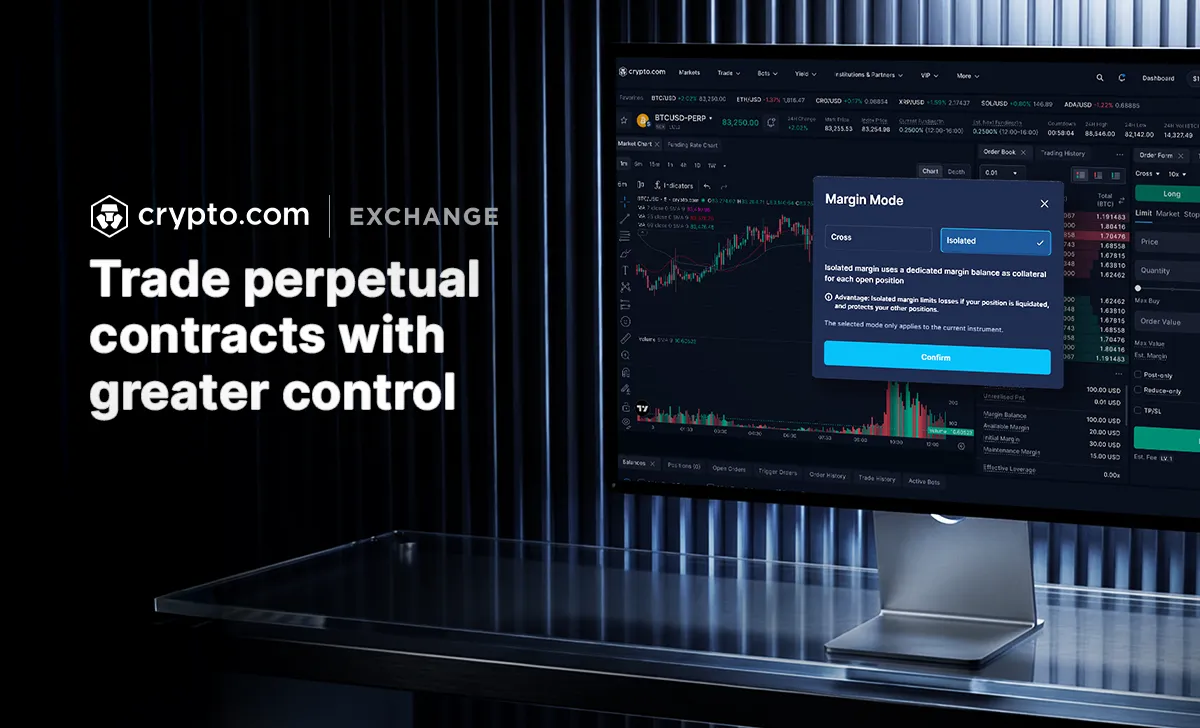
Start by selecting isolated margin for individual positions rather than cross margin. Isolated margin limits your exposure to the collateral allocated to that specific trade. If the position liquidates, you only lose the allocated amount, protecting the rest of your wallet from cascading failures. This is the most effective way to contain risk in volatile onchain markets.
Before entering, calculate the exact liquidation price using the platform’s fee structure and oracle latency. Never trade at the edge. Aim to keep your liquidation price at least 15–20% away from the current market price. This buffer absorbs temporary volatility spikes and oracle delays without triggering a liquidation event.

Check the current funding rate before opening or holding a position. High positive funding rates mean you pay to hold long positions, eroding your margin over time. If the rate is unfavorable, consider flipping to a short or reducing leverage to minimize daily costs. Efficiency is as much about avoiding fees as it is about managing risk.
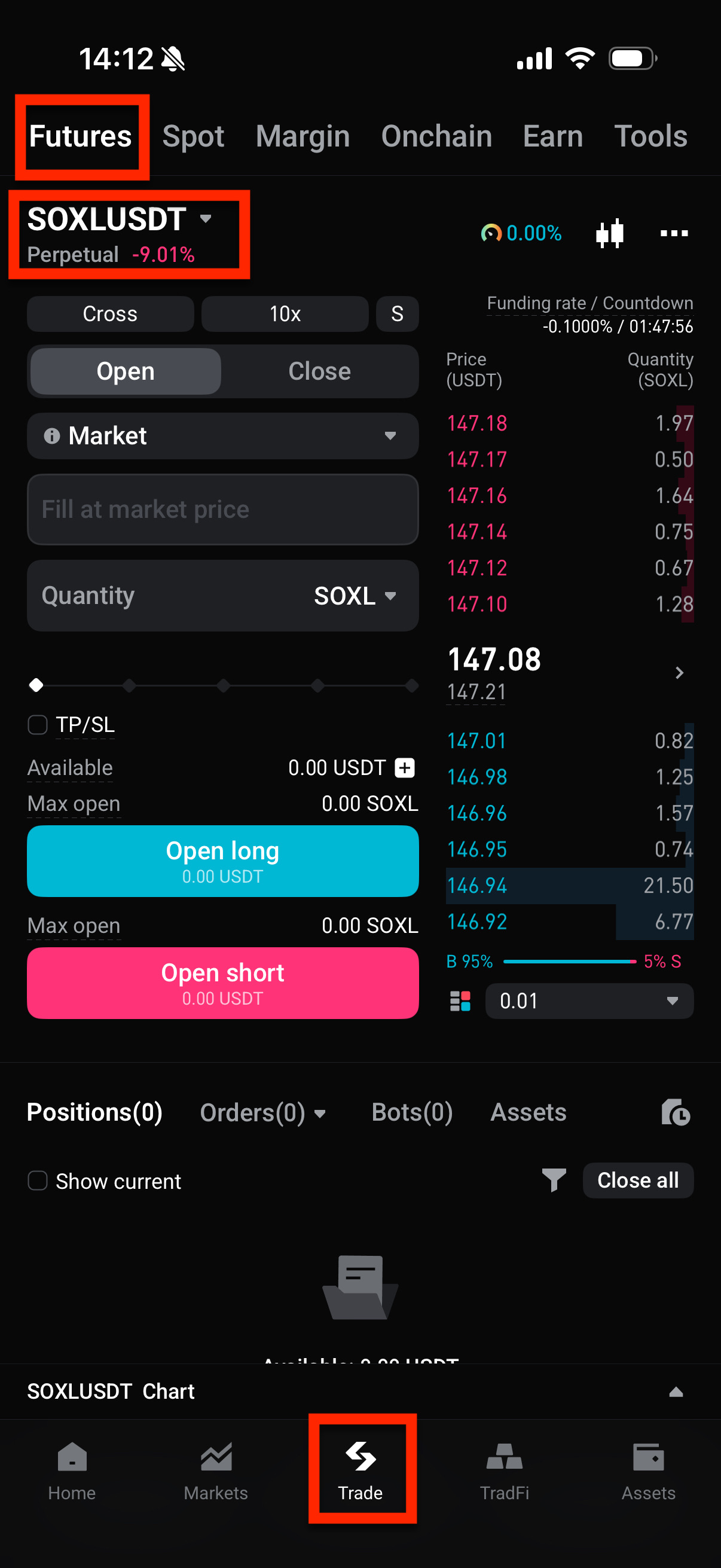
Automate your exit strategy with stop-loss and take-profit orders. Manual exits are slow and emotional; onchain transactions can fail or be front-run. Pre-set orders ensure you exit at predefined levels, locking in gains or cutting losses before the market moves against you. This removes guesswork and preserves capital.

Check your portfolio health score and collateral utilization rate at least once daily. Onchain markets move fast, and a stable position can become risky overnight. If your health factor drops below 1.5, consider adding margin or reducing position size to avoid liquidation. Consistent monitoring is the best defense against sudden market swings.
Common Mistakes That Wreck Margin Efficiency
Even with a solid setup, small errors in execution can drain your margin or trigger unwanted liquidations. Most traders lose capital not because their market analysis is wrong, but because they mismanage the mechanics of onchain perpetuals.
Overleveraging Without Buffer
Using maximum leverage leaves no room for volatility. Onchain perps often have high funding rates and slippage, meaning a small adverse move can wipe out your position before you can react. Stick to 2x–5x leverage unless you have a specific, high-conviction short-term trade. Always keep a 20% margin buffer above the liquidation price to account for oracle delays.
Ignoring Funding Rates
Funding rates are not just fees; they are a signal of market sentiment. If you are long during a high positive funding period, you are paying shorts to hold their positions. Over weeks, these payments erode your margin efficiency. Check the current funding rate on DeFi Prime before entering. If the rate is excessively high, consider switching to isolated margin or waiting for the rate to normalize.
Confusing Cross and Isolated Margin
Using cross margin when you should use isolated is the fastest way to lose your entire wallet balance. Cross margin pools all your assets across all positions on the protocol. If one trade goes wrong, it drains the rest. Isolated margin limits the risk to only the funds allocated to that specific position. For most traders, isolated margin is the safer default for speculative positions.
Neglecting Liquidation Prices
Your liquidation price is not static. It changes with funding rates, oracle updates, and your remaining margin. Many traders set a stop-loss at the liquidation price, which is too late. Set your stop-loss at least 5–10% above your liquidation price to give the transaction time to process on-chain. Always calculate the exact liquidation price for your specific leverage and collateral before opening the position.
Relying on Single Oracle Sources
Oracles are the backbone of onchain perps. If an oracle fails or is manipulated, your position could be liquidated unfairly or filled at a bad price. Use protocols that aggregate data from multiple sources, such as MetaMask, to reduce this risk. Never trust a single data feed for high-stakes trades.
Onchain perp margin: what to check next
Before deploying capital into decentralized derivatives, it helps to understand how margin modes affect your liquidation threshold and overall portfolio health.
No comments yet. Be the first to share your thoughts!