
Get onchain perpetual margin right
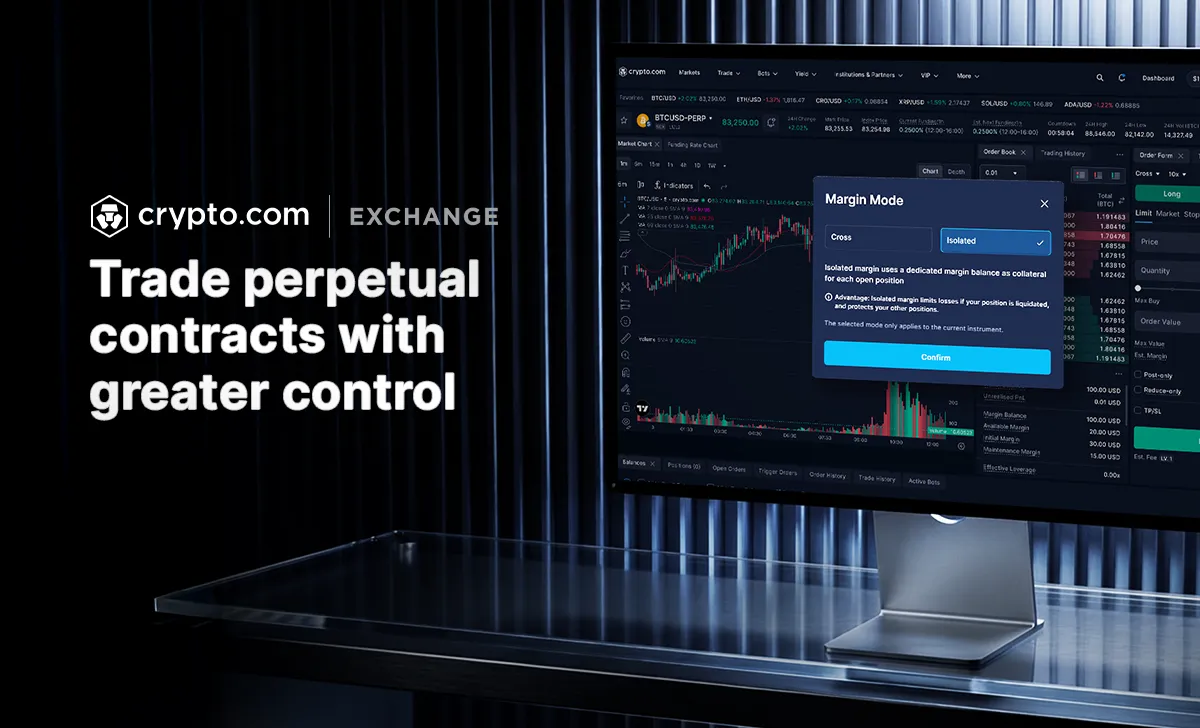
Before you open a position, you need to understand the two types of collateral that keep your trade alive. Initial margin is the amount you must lock up to enter the trade. Maintenance margin is the lower minimum required to keep the position open. If your account balance drops below maintenance, the system liquidates your position.
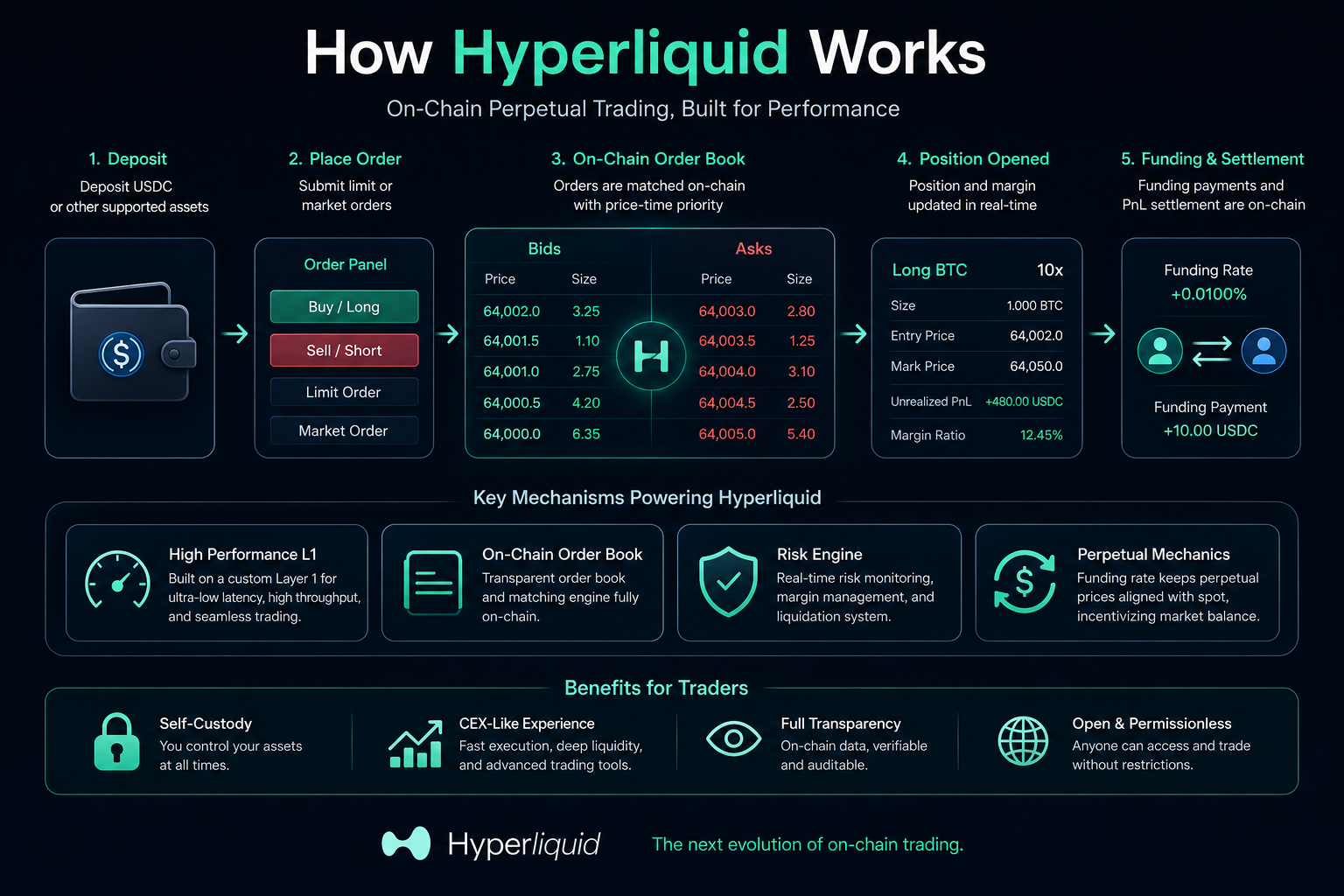
Onchain perps differ from centralized exchanges in how they handle these thresholds. You often pay funding rates directly to other traders, and liquidation happens via smart contracts rather than a risk engine. This means you must monitor your Loan-to-Value (LTV) ratio in real time. A small price swing can trigger liquidation if you are over-leveraged.
Start by checking the protocol’s documentation for specific margin requirements. Different protocols may have different maintenance margins for volatile assets like BTC or ETH. Ensure you have enough buffer capital to absorb normal market volatility without getting liquidated. Never use your entire wallet balance as margin.
-
Verify the protocol’s initial and maintenance margin requirements
-
Calculate your LTV ratio before opening a position
-
Ensure you have buffer capital for market volatility
-
Keep your wallet funded with the native token for fees
Work through the steps
to Onchain Perps works best as a clear sequence: define the constraint, compare the realistic options, test the tradeoff, and choose the path with the fewest hidden costs. That order keeps the advice usable instead of decorative. After each step, pause long enough to check whether the recommendation still fits the reader's actual situation. If it depends on perfect timing, unusual access, or a best-case budget, include a simpler fallback.
Fix common mistakes
Margin efficiency in onchain perps depends on how you manage the gap between opening and maintaining a position. Traders often treat initial margin as a static requirement, ignoring that maintenance margin is lower. This difference creates liquidation risk when volatility spikes.
Ignoring the maintenance margin buffer
Initial margin is the collateral required to open a trade. Maintenance margin is the lower ongoing minimum required to keep the position open. If you only monitor your entry price, you miss the point where your position becomes vulnerable.
A small price move against you can trigger liquidation if the maintenance margin is close to your entry. Always calculate the distance to the maintenance level, not just the entry price. This buffer shrinks as leverage increases, so higher leverage requires tighter monitoring of real-time LTV.
Overleveraging without checking fees
Funding rates and trading fees eat into your margin. High leverage amplifies these costs, turning small inefficiencies into significant losses. Many traders open positions with maximum leverage, assuming the funding rate will work in their favor.
This assumption is risky. Funding rates can flip negative, charging you to hold long positions. Always factor in the cost of carry when calculating your margin efficiency. A position that looks profitable on price action may be losing money due to fees.
Using static LTV thresholds
Real-time LTV monitoring is essential because market conditions change. Static thresholds set at entry do not account for volatility spikes or liquidity shifts. If your LTV threshold is too loose, you risk liquidation. If it is too tight, you face unnecessary forced closures.
Adjust your LTV thresholds based on current market volatility. Use onchain data to gauge liquidity depth and adjust your margin requirements accordingly. This dynamic approach helps you stay in trades longer while minimizing liquidation risk.
Onchain perpetual margin: what to check next
Margin management is the difference between surviving a volatility spike and getting liquidated. Because onchain perps execute directly through smart contracts, there is no customer support team to pause your position or offer a bailout. You need to understand exactly how your collateral is calculated and when the protocol will close your trade.
These answers address the most common practical objections traders face when switching from centralized exchanges to onchain infrastructure.
No comments yet. Be the first to share your thoughts!