
Choose a perp DEX for 2026
Trade Onchain Perp Margin works best when the purchase path is explicit. Verify the source, compare the offer against real alternatives, check the total cost, and confirm what happens after payment before you decide. After each comparison, write down the one risk that would change your mind. If the seller, condition, support, warranty, shipping, or upkeep still feels uncertain, resolve that question before moving to checkout.
| Factor | What to check | Why it matters |
|---|---|---|
| Fit | Match the option to the primary use case. | A good deal still fails if it does not fit the job. |
| Condition | Verify age, wear, and service history. | Hidden condition issues erase upfront savings. |
| Cost | Compare purchase price with likely upkeep. | The cheapest option is not always the lowest-cost option. |
Fund Your Wallet With Margin Assets
Before opening a leveraged position, you must move collateral into your trading account. Most onchain perpetual DEXs operate on a margin account model where deposited assets serve as the security for your open positions. This process is distinct from simply holding tokens in your wallet; it requires an explicit transfer to the protocol's margin contract.
Step 1: Connect Your Wallet
Navigate to the DEX interface and connect your wallet. Ensure you are on the correct network supported by the protocol (e.g., Solana, Ethereum, or Hyperliquid’s native chain). Verify the contract address if the DEX provides a direct link to avoid phishing sites.
Step 2: Select Collateral Assets
Choose which assets to deposit as margin. Stablecoins like USDC are common for their price stability, while volatile assets like ETH or SOL can provide higher capital efficiency but introduce liquidation risk if their value drops sharply. Check the specific collateral factors and haircuts applied to each asset by the protocol.
Step 3: Deposit Into Margin Account
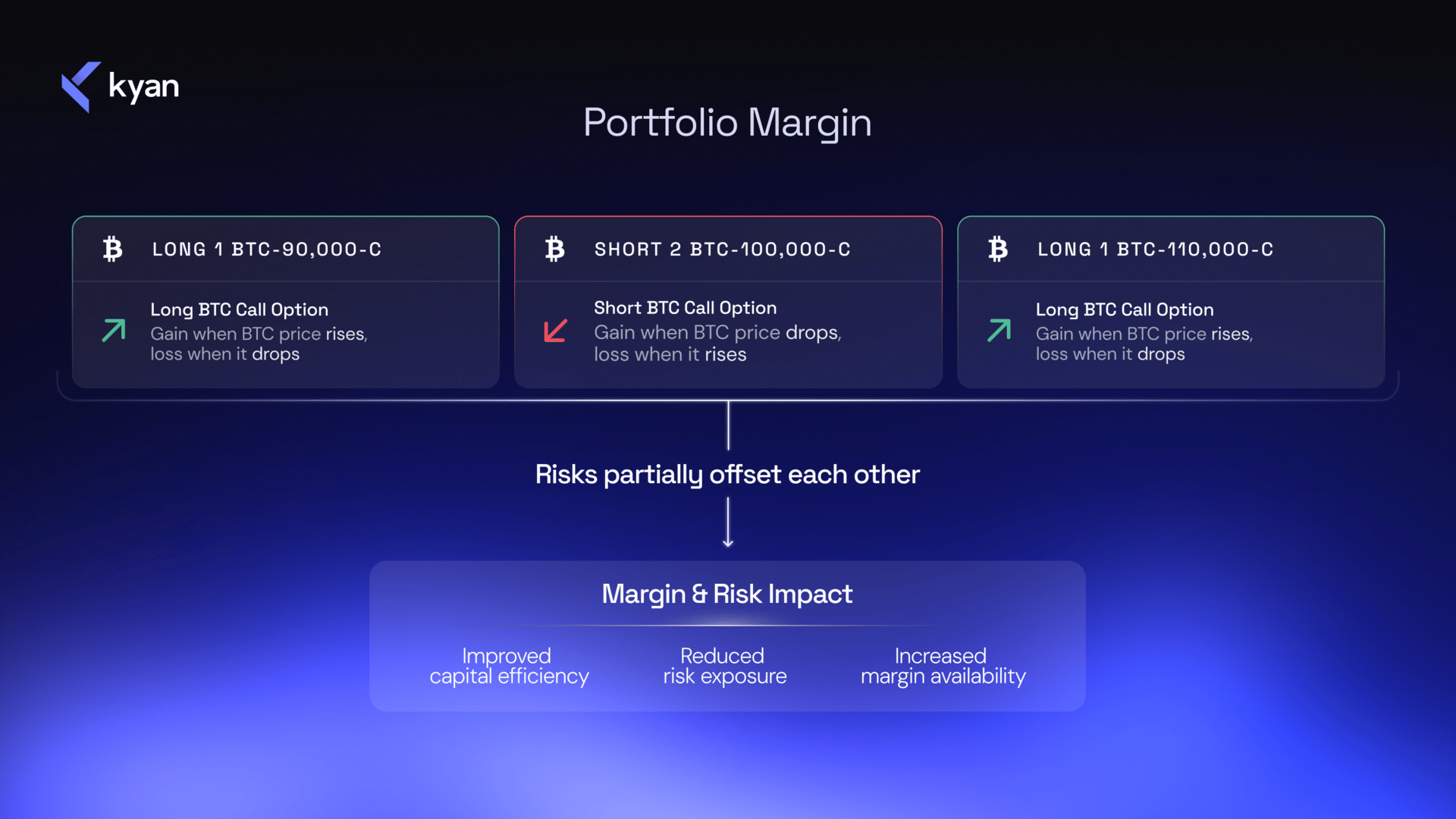
Initiate the deposit transaction. This action locks your assets into the margin account, increasing your available buying power. Unlike isolated margin, where risk is confined to a single position, cross-margin uses your entire account balance as collateral. This means all positions share the same pool of funds, which can prevent liquidation on a single losing trade if other positions are profitable.
Navigate to the DEX interface and connect your wallet. Ensure you are on the correct network supported by the protocol (e.g., Solana, Ethereum, or Hyperliquid’s native chain). Verify the contract address if the DEX provides a direct link to avoid phishing sites.
Choose which assets to deposit as margin. Stablecoins like USDC are common for their price stability, while volatile assets like ETH or SOL can provide higher capital efficiency but introduce liquidation risk if their value drops sharply. Check the specific collateral factors and haircuts applied to each asset by the protocol.
Initiate the deposit transaction. This action locks your assets into the margin account, increasing your available buying power. Unlike isolated margin, where risk is confined to a single position, cross-margin uses your entire account balance as collateral. This means all positions share the same pool of funds, which can prevent liquidation on a single losing trade if other positions are profitable.
"During April 2026, Hyperliquid alone processed $187.01 billion in perps volume." MetaMask
Price Context
Keep an eye on the price of your chosen collateral. While USDC is pegged to the dollar, volatile assets like ETH fluctuate. A sharp drop in your collateral's value can trigger a liquidation, even if your trading position is currently profitable. Always monitor your health factor and maintain a buffer above the liquidation threshold.
Open a leveraged position
Opening an onchain perp margin 2026 position requires precision. Unlike centralized exchanges, you are interacting directly with smart contracts. A single misstep in leverage selection or collateral approval can lead to immediate liquidation. The interface is your execution layer; treat it with the caution of a high-stakes trading floor.
Navigate to the exchange interface and connect your wallet. Select the desired trading pair, such as BTC/USDC. Verify the contract details, including the funding rate schedule and current open interest, to ensure the market has sufficient liquidity for your position size.
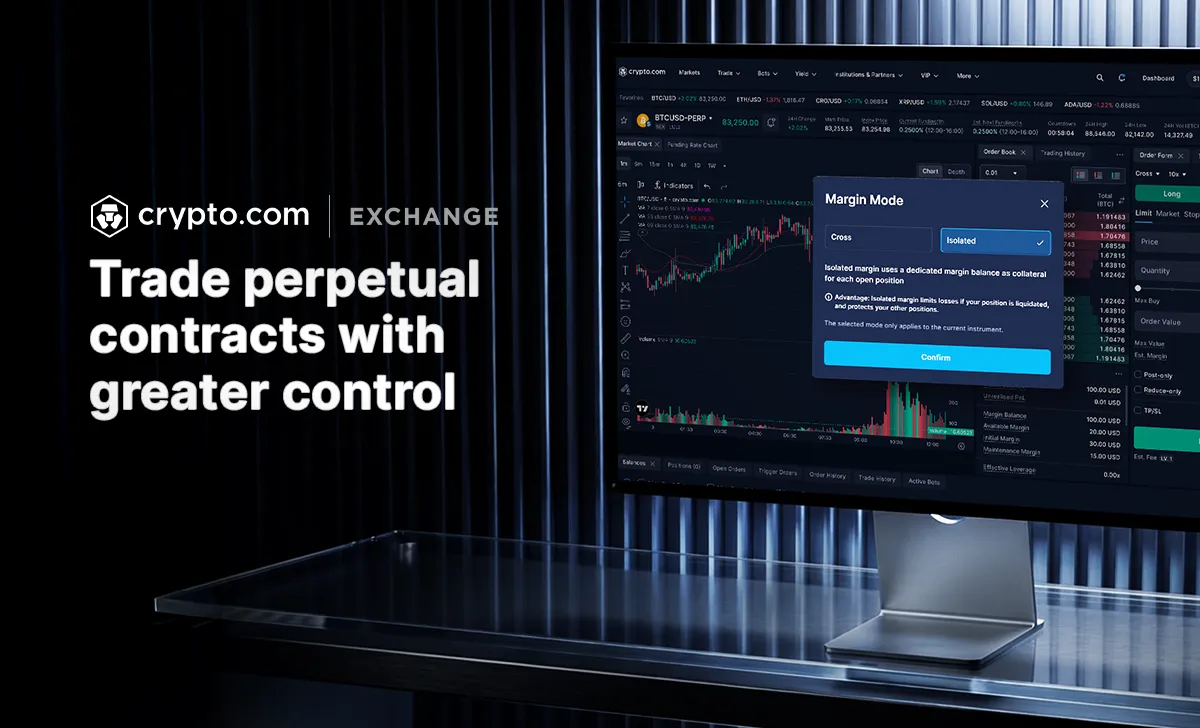
Deposit the required collateral asset into the margin pool. You must approve the smart contract to spend your funds. Next, adjust the leverage slider. Start conservatively; high leverage amplifies volatility. Remember that Hyperliquid alone processed $187 billion in volume recently, indicating intense competition and rapid price movements.
Review the estimated liquidation price and funding fees. Enter your order type—limit orders offer price precision, while market orders ensure immediate execution. Click "Open Position" to sign the transaction. The blockchain will confirm your entry, and your position is now live on-chain.

Keep an eye on your margin ratio. Onchain perps often have stricter liquidation thresholds than centralized platforms. Set stop-loss orders if the platform supports them, or be prepared to manually exit if the market moves against you. The goal is to preserve capital, not just chase gains.
Manage risk and liquidation levels
Trading onchain perp margin 2026 requires active monitoring. Unlike centralized exchanges, onchain liquidations are often automated and irreversible. A sudden price spike or a liquidity gap can trigger a forced close of your position, resulting in the loss of your collateral plus fees. You must treat your margin ratio as a live metric, not a static number.
Start by setting strict stop-loss orders. Determine the maximum loss you can absorb before entering the trade. Most onchain interfaces allow you to set a liquidation price threshold slightly above your entry for long positions, or below for shorts. This acts as an automatic circuit breaker. If the market moves against you, the system exits the position before your entire margin is depleted.
Monitor your health factor or margin ratio in real-time. This metric represents the distance between your current position value and the liquidation price. A ratio below 1.0 typically signals imminent liquidation. Keep an eye on exchange liquidity pools; low liquidity can cause slippage, meaning your liquidation price may be triggered faster than expected. During high volatility, such as major macroeconomic announcements, reduce your leverage or close positions entirely to avoid being caught in a flash crash.
Finally, maintain a buffer of excess collateral. Do not leverage your account to 100%. Keeping 20-30% of your margin as idle reserve provides a safety net against unexpected market gaps. This buffer ensures you can withstand minor volatility without triggering a forced exit, giving your trade time to recover.
Close positions and withdraw funds
Exiting an onchain perp margin 2026 position requires precision. A failed exit leaves you exposed to funding rate volatility or liquidation cascades. Follow this sequence to secure profits and return collateral to your self-custody wallet.
Before closing, cancel any pending limit orders. Uncanceled orders can trigger unexpectedly during market volatility, causing slippage or unwanted position changes.
Navigate to the position tab and select "Close." Choose "Market" for immediate execution or "Limit" to target a specific price. Verify the slippage tolerance matches your risk appetite.
Confirm the realized profit or loss. Check that trading fees and funding costs are deducted correctly. Discrepancies here can indicate a failed transaction or unexpected market movement.
Go to the "Withdraw" section. Select your asset and enter the amount. Ensure you are sending to your verified external wallet address. Double-check the network to avoid loss.
Always test with a small amount first. Onchain transactions are irreversible. If the withdrawal fails, check the transaction hash on the block explorer before retrying.
Common onchain margin mistakes
Trading onchain perp margin in 2026 requires precision. The decentralized perp DEX market has seen nearly $1 trillion in 30-day volume, but liquidity fragmentation means errors are costly. Slippage, gas inefficiency, and over-leveraging remain the primary threats to capital.
Slippage and Liquidity Gaps
On-chain perpetuals do not have a central limit order book like centralized exchanges. Liquidity is often split across multiple pools or AMM curves. When you enter a large position, you may consume the best price levels instantly, resulting in significant slippage. Always check the current depth before executing. A wide spread can turn a profitable setup into a loss before the trade even begins.
Gas Fee Inefficiency
Gas costs can erode margins, especially on Layer 2 networks during peak congestion. If your position size is small, the transaction fee may outweigh potential gains. Avoid executing trades during high network demand spikes. Use limit orders or batch transactions when possible to reduce the frequency of on-chain interactions.
Over-Leveraging
High leverage amplifies both gains and liquidation risk. On-chain liquidations are often faster and more brutal than in centralized venues due to oracle latency or liquidation bot competition. Start with lower leverage (2x-3x) to understand the mechanics. Never risk more than you can afford to lose in a single liquidation event.
Pre-Trade Checklist
| Task | Status |
|---|---|
| Check liquidity depth | ☐ |
| Estimate gas costs | ☐ |
| Set stop-loss level | ☐ |
| Verify oracle source | ☐ |
| Confirm position size | ☐ |
onchain perp margin 2026 FAQ
Is onchain perp margin safe?
Onchain perp margin 2026 carries distinct risks compared to centralized exchanges. Smart contract vulnerabilities remain the primary threat, as code exploits can drain positions instantly. Unlike CEXs, there is no customer protection fund or insurance policy to recover lost funds. Traders must audit protocols before depositing capital and assume that any onchain transaction is final and irreversible.
How do fees compare to centralized exchanges?
Fee structures vary significantly across 2026 protocols. While some DEXs offer lower maker fees, taker fees and funding rates can be higher during extreme volatility. Additionally, you must account for blockchain gas costs, which can erode profits on smaller positions. Always calculate the total cost of carry, including gas, before executing a trade.
Why are onchain DEX volumes falling?
Perp volume on decentralized exchanges fell to $699 billion in March 2026 from an October 2025 peak of $1.36 trillion, according to DefiLlama data [src-serp-8]. This decline reflects a broader shift as traders return to centralized platforms for deeper liquidity and lower slippage. Onchain perps still capture roughly 15% of total futures volume, but the market is consolidating [src-serp-2].
Helpful gear
Use these product recommendations as a starting point, then choose the size, material, and price point that fit how you actually use the gear.



As an Amazon Associate, we may earn from qualifying purchases.
No comments yet. Be the first to share your thoughts!