
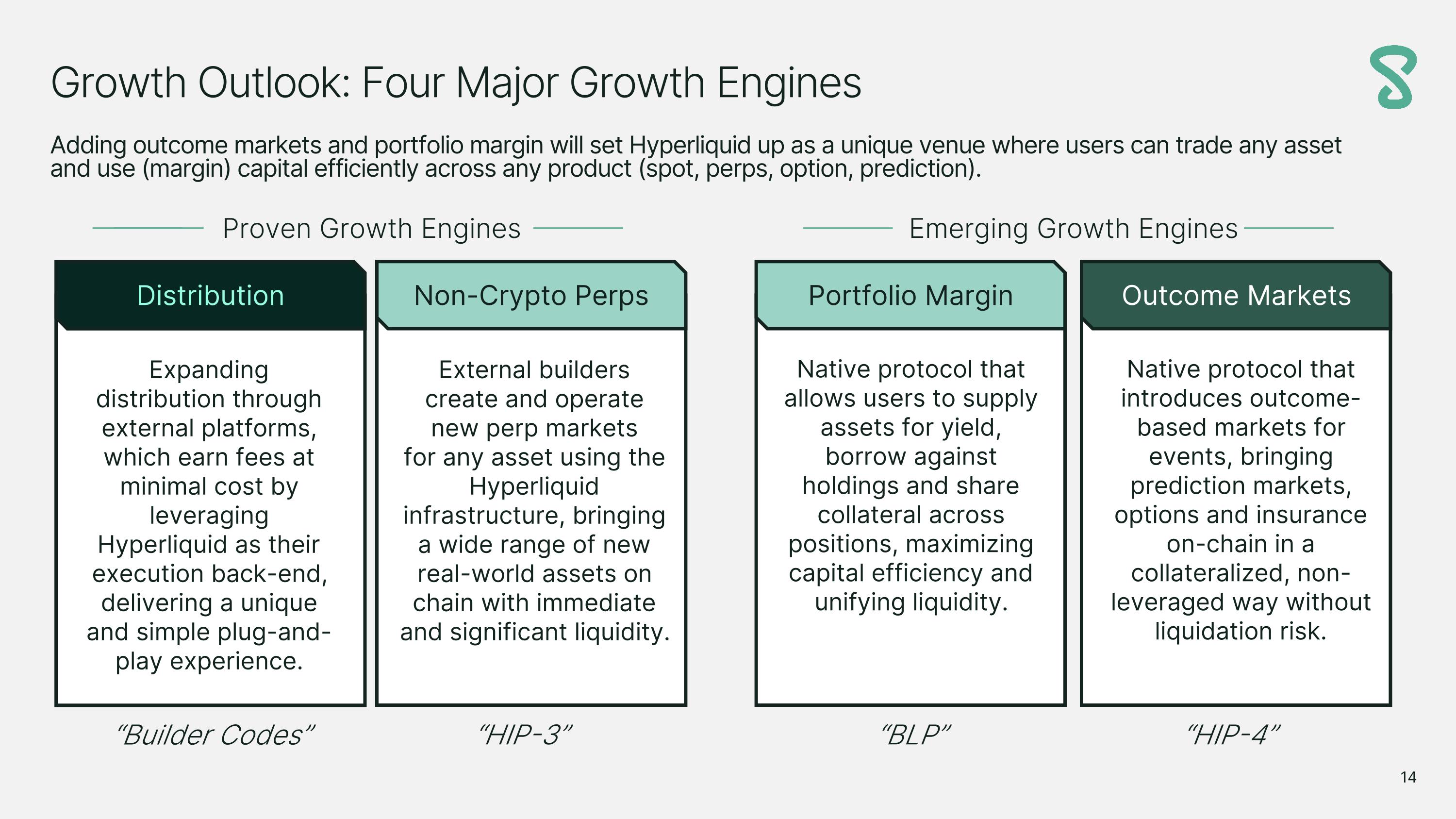
The onchain perp margin limits to account for
Onchain perpetual futures have captured 14.9% of total perp trading volume, a significant shift as centralized exchange (CEX) volumes hit lows not seen since September 2024 [[src-serp-1]]. This migration isn't just about decentralization; it is a structural response to the constraints of onchain capital efficiency. Unlike CEXs, where leverage is often an opaque product of the platform's risk engine, onchain perps expose the actual margin mechanics to the user.
The core constraint is the choice between isolated and cross margin, which dictates how your capital performs during volatility [[src-serp-2]]. In isolated margin, your position is capped at the allocated collateral. If the trade goes against you, you lose only that specific portion. In cross margin, your entire wallet balance serves as collateral. This allows for higher leverage and lower liquidation prices but exposes your entire portfolio to liquidation risk if the market moves sharply.
For traders prioritizing capital efficiency, cross margin offers the best leverage-to-capital ratio. However, it requires active monitoring. Isolated margin is safer for passive strategies or smaller, speculative positions where you want to cap your downside. Understanding this tradeoff is essential before deploying capital in volatile markets.
Onchain perp margin choices that change the plan
Onchain perpetual futures now hold roughly 15% of total perp trading volume, shifting market share away from centralized exchanges as traders seek non-custodial control.1 However, this shift introduces distinct tradeoffs in liquidity, capital efficiency, and execution speed that differ significantly from traditional CEX models.
When evaluating onchain perp margin, you are essentially choosing between different mechanisms for collateralizing your positions. The choice between cross and isolated margin, along with the specific DEX architecture, dictates your liquidation risk and capital utilization. Unlike centralized platforms that aggregate order books, onchain perps often rely on oracle pricing and liquidity provider pools, which can lead to slippage during high volatility.
The following comparison breaks down the primary structural differences you will encounter across major onchain perp platforms.
| Feature | Cross Margin | Isolated Margin | Oracle Dependency |
|---|---|---|---|
| Capital Efficiency | High (shared pool) | Low (dedicated) | Medium |
| Liquidation Risk | Lower (buffered) | Higher (fixed) | High |
| Complexity | Low | Medium | Low |
| Best Use Case | Hedging large portfolios | Speculative scalping | All modes |
Cross margin allows all assets in your wallet to back a position, reducing the chance of liquidation for a single trade but exposing your entire portfolio to risk. Isolated margin confines loss to a specific allocation, protecting the rest of your funds but requiring more active management to avoid margin calls. Oracle dependency remains a critical factor; price feeds must be accurate to prevent unfair liquidations, a risk that is generally higher onchain than on centralized order books.
For traders in volatile markets, the tradeoff often comes down to control versus convenience. Onchain perps offer transparency and self-custody, but you must actively manage oracle latency and gas costs. Centralized exchanges provide smoother execution but require trust in the custodian. Understanding these mechanics is essential for capital efficiency in 2026.
Choose the right margin mode for your trade
Onchain perpetual futures now hold 14.9% of total perp trading volume, signaling a shift in how traders manage capital efficiency. The primary decision point for these strategies is choosing between cross margin and isolated margin. Your choice dictates how much collateral backs your position and how close you are to liquidation during volatile market swings.
Cross margin: Efficiency across positions
Cross margin links your entire account balance to the position. This mode maximizes capital efficiency because every dollar in your wallet acts as collateral. It is ideal for hedging strategies or holding multiple correlated positions where gains in one asset offset losses in another.
The tradeoff is systemic risk. If the market moves sharply against you, the entire balance is at risk of liquidation. There is no isolated buffer to protect your remaining funds. This mode requires strict stop-loss discipline and a clear understanding of your total portfolio exposure.
Isolated margin: Risk containment
Isolated margin assigns a fixed amount of collateral to a single position. This approach creates a hard ceiling on potential losses. If the position is liquidated, you only lose the allocated margin, leaving the rest of your capital intact.
This mode is necessary for high-leverage speculative trades or when testing new strategies. It provides a clear risk-reward profile for individual trades. However, it is less capital efficient, as you must constantly manage and rebalance the margin allocated to each active position.
Decision framework: When to use which
Use cross margin when you are hedging or holding a diversified basket of positions where volatility is managed across the portfolio. Use isolated margin when executing directional bets with high leverage or when you want to strictly limit the downside of a single trade. The choice depends entirely on whether you prioritize capital efficiency or risk containment.
| Margin Mode | Capital Efficiency | Liquidation Risk | Best Use Case |
|---|---|---|---|
| Cross | High | Systemic (entire balance) | Hedging, multi-position portfolios |
| Isolated | Lower | Limited (allocated only) | High leverage, single-directional bets |
Spotting Misleading Margin Claims
Onchain perpetual futures now hold 14.9% of total perp trading volume as centralized exchange volumes hit lows not seen since September 2024 [src-serp-1]. This shift highlights a critical danger: many platforms advertise extreme leverage to capture market share, often masking the real cost of capital efficiency.
Before committing capital, distinguish between cross and isolated margin structures. Cross margin uses your entire account balance to prevent liquidation, which can drain your wallet if a single trade goes wrong. Isolated margin limits risk to the specific position size, protecting the rest of your funds [src-serp-2].
Common Pitfalls to Avoid
- Hidden Liquidation Thresholds: High leverage (e.g., 20x on $10) means a 5% adverse move wipes out your position. Always check the maintenance margin requirement.
- Funding Rate Traps: In volatile markets, funding rates can spike, eating into profits even if your directional trade is correct.
- Overleveraging: 1000x leverage is rarely sustainable. It leaves no room for volatility, ensuring near-certain liquidation during normal market swings.
Decision Framework
| Feature | Cross Margin | Isolated Margin |
|---|---|---|
| Risk Exposure | Entire account balance | Only allocated position funds |
| Liquidation Risk | Higher (entire balance at risk) | Lower (defined max loss) |
| Best For | Low volatility, hedging | High volatility, speculation |
Choose isolated margin for speculative plays in volatile 2026 markets. Use cross margin only when hedging or trading low-volatility assets with a clear exit strategy. Always verify the platform’s liquidation engine before deploying capital.
Onchain Perp Margin FAQs
Can you make money on onchain perps?
Yes, onchain perpetual futures allow traders to profit from price movements, but they are high-risk derivatives. Onchain perps now capture roughly 15% of total perpetual trading volume, showing significant adoption compared to centralized exchanges [[src-serp-1]]. Profitability depends on managing leverage and funding rates effectively, not just predicting direction. Traders can earn yield by providing liquidity, but speculative trading carries liquidation risks.
What is 20x leverage on $10?
Using 20x leverage on a $10 position controls $200 worth of the underlying asset. This amplifies both gains and losses by 20 times. A 1% adverse price movement would wipe out the entire $10 margin, triggering liquidation. While this allows for high capital efficiency, it leaves almost no room for market volatility, making it extremely dangerous for small accounts.
Is perp trading risky?
Perpetual futures are inherently risky due to leverage and funding rate volatility. Unlike traditional futures, perps have no expiration date, meaning positions can be held indefinitely but must pay funding fees. Cross-margin modes allow losses in one position to be offset by collateral in another, but they also increase the risk of total account liquidation during extreme market moves [[src-serp-2]].
Which crypto exchange gives 1000x leverage?
Most reputable onchain perpetual DEXs cap leverage between 10x and 50x to protect traders from instant liquidation [[src-serp-5]]. While some centralized exchanges offer up to 1000x leverage, these are generally discouraged for serious trading due to the extreme risk of liquidation. Onchain platforms prioritize capital efficiency and risk management over extreme leverage, making 50x a common maximum for cross-margin strategies.
Footnotes
-
Source: CryptoBriefing, "Onchain perps capture 15% of futures volume," 2024. ↩
No comments yet. Be the first to share your thoughts!