
What onchain perp margin actually is
Onchain perpetual futures margin is the collateral locked in a smart contract to open and maintain a leveraged position. Unlike traditional centralized exchanges where an intermediary holds your funds, onchain perps rely on decentralized protocols. This structure removes the middleman, allowing traders to interact directly with liquidity pools or automated market makers (AMMs) via self-custodial wallets.
Margin in this context serves two distinct purposes: initial margin and maintenance margin. Initial margin is the minimum amount of crypto required to open a trade. Maintenance margin is the lower threshold that must be maintained to keep the position open. If the value of your collateral falls below the maintenance level due to market movements, the position is automatically liquidated to protect the protocol’s solvency.
The core distinction lies in custody and transparency. In traditional finance, your margin sits in a company’s bank account, subject to their internal risk management and potential insolvency. Onchain, your margin remains in your wallet until the moment it is locked by the contract. This eliminates counterparty risk associated with centralized entities, though it introduces smart contract risk. You retain control over your assets, but you are also solely responsible for managing your leverage and ensuring sufficient collateral.
This shift from custodial to non-custodial trading changes how margin is perceived. It is not just a security deposit held by a broker; it is active capital deployed into a decentralized protocol. Understanding this dynamic is essential for managing risk in a space where liquidations happen instantly and transparently on-chain.
Unified collateral pools explained
Onchain perpetual markets have moved past siloed accounts where your spot holdings, perps, and options lived in separate, non-interacting vaults. The shift to unified margin means a single collateral pool backs all three. This structural change drastically improves capital efficiency by allowing assets to serve as collateral across different product types simultaneously.
In a siloed model, capital sits idle. If you hold ETH in a spot account and want to trade perps, that ETH cannot be used to back your perp position unless you manually bridge or swap it. Unified margin removes this friction. Your ETH acts as collateral for your perp open interest, your options premiums, and your spot holdings all at once. This is not just a convenience feature; it is a fundamental efficiency upgrade that reduces the amount of excess liquidity traders need to hold.
The result is a tighter relationship between risk and capital. Traders can leverage their existing spot positions to open derivative exposures without moving funds. This reduces transaction costs, minimizes slippage from frequent bridging, and allows for more sophisticated hedging strategies. A single account becomes a unified risk engine rather than a collection of disconnected wallets.
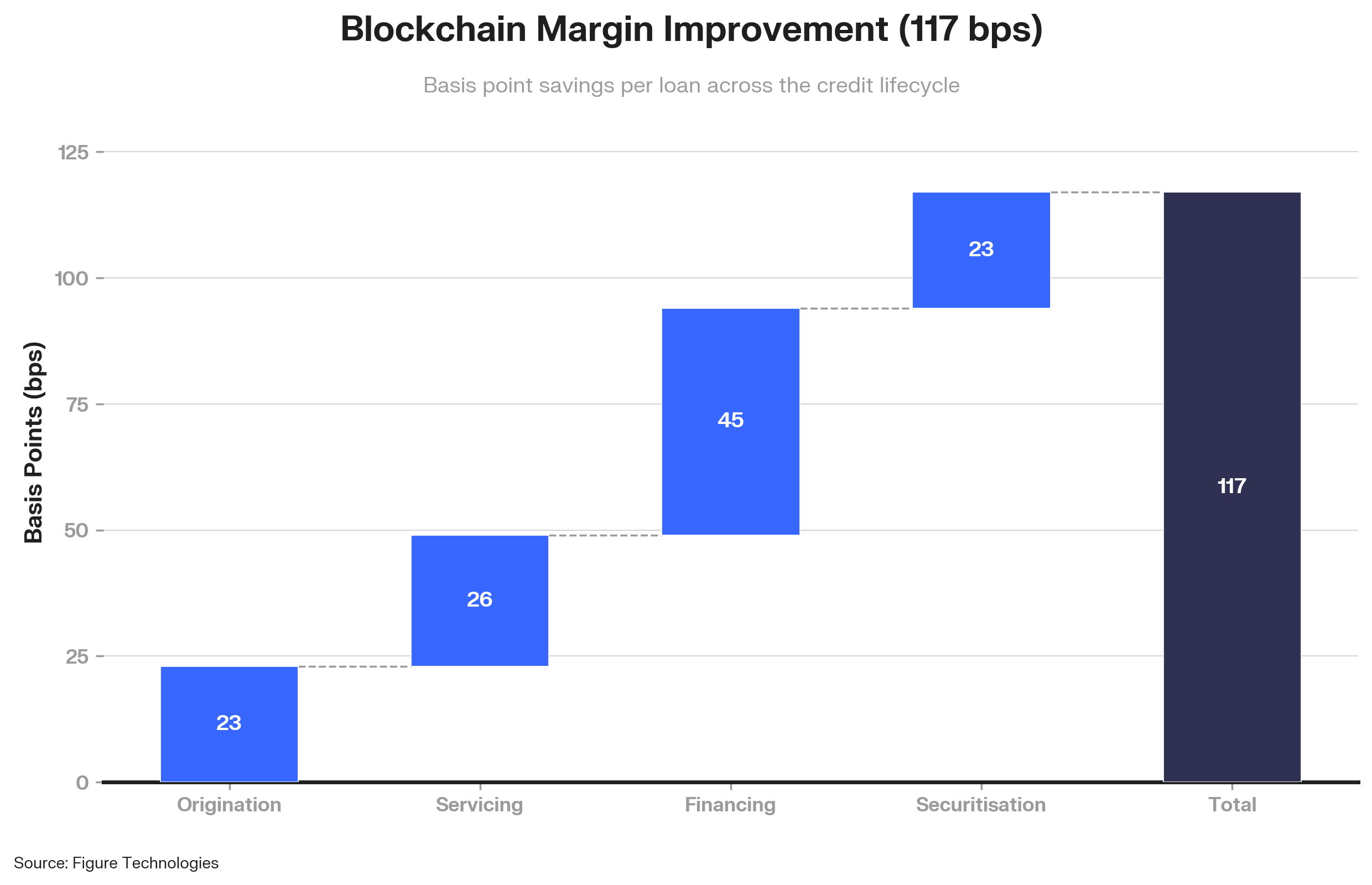
The difference in capital utilization is stark. Below is a comparison of how a trader with $10,000 in ETH collateral would operate under traditional siloed structures versus a unified margin framework.
| Feature | Siloed Margin | Unified Margin |
|---|---|---|
| Spot Holdings as Collateral | No | Yes |
| Cross-Product Hedging | Manual bridging required | Instant, same account |
| Idle Capital | High (locked in spot) | Low (leveraged across products) |
| Liquidation Risk | Fragmented across accounts | Consolidated view |
How cross-margin reduces liquidation risk
Cross-margining acts as a unified safety net for your portfolio. Instead of isolating collateral for each trade, this mechanic pools your available equity across all open positions within a single protocol. When one position generates profit, that gain immediately bolsters the margin buffer for other trades, even if those other positions are currently underwater.
This dynamic is particularly useful for hedging strategies. For example, if you hold a long position on ETH that has dropped in value, a profitable short position on the same asset—or a correlated pair—can offset those losses. The protocol treats the combined portfolio value as the basis for liquidation checks, rather than evaluating each position in isolation. This significantly delays the point at which your account balance dips below the maintenance margin threshold.
By allowing profits from one side of your book to cover losses on the other, cross-margin effectively lowers the cost of maintaining complex, multi-directional strategies. You do not need to over-collateralize every individual trade to stay safe. Instead, you can allocate capital more efficiently, knowing that the protocol’s risk engine accounts for the net exposure of your entire position set.
Note: Cross-margining reduces liquidation risk by pooling equity, but it also means a severe move in a single position can drain the entire pool. Always monitor your total portfolio health, not just individual trade margins.
Portfolio-level margin mechanics
The mechanics behind this benefit rely on how the protocol calculates your total account value. In an isolated margin setup, each position has its own dedicated collateral wall. If that specific wall is breached, the position is liquidated, regardless of how much cash you have sitting in other, profitable trades.
Cross-margin removes these walls. The protocol aggregates your unrealized PnL (profit and loss) across all positions. If your net PnL is positive, your effective collateral increases. If it is negative, the protocol draws down from your free balance to cover the deficit. This continuous rebalancing of equity means you can survive higher volatility in individual assets, provided your overall portfolio remains solvent.
This approach is standard on many on-chain perpetuals platforms, such as Fulcrom, which allows traders to manage multiple long and short positions for the same token pair within a single margin account. The result is a more resilient trading environment where strategic offsets can protect your capital during market swings.
AI bots for real-time risk checks
Onchain perpetual futures rely on continuous price feeds and automated liquidations. As leverage increases, manual monitoring becomes impossible. AI-driven bots now act as autonomous risk managers, watching funding rates, volatility spikes, and liquidation thresholds in real time. These agents adjust positions automatically, reducing the need for constant human intervention.
The core function of these bots is to interpret market data faster than any human trader. They ingest funding rate data from multiple liquidity sources and compare it against historical volatility. When the data suggests a position is becoming overextended, the bot can trigger a partial close or hedge. This prevents the catastrophic losses that often occur during sudden market swings.
Liquidation avoidance is another critical capability. Bots monitor the health factor of a position against the oracle price. If a liquidation event is imminent, the bot can deposit additional margin or close the position at a controlled loss. This automated defense mechanism protects capital during periods of high stress, such as major macroeconomic announcements.
To understand the current market conditions these bots react to, consider the live performance of major assets.
These systems do not replace human strategy; they enforce discipline. By removing emotional decision-making from risk management, traders can maintain larger, more complex positions with greater confidence. The integration of AI into onchain margin management is becoming a standard requirement for serious perpetual traders in 2026.
Onchain perp market trends
Perpetual futures have become the dominant form of on-chain derivative, accounting for the vast majority of decentralized trading volume. Unlike traditional futures, these contracts have no expiry date, relying instead on a funding rate mechanism to keep the contract price tethered to the underlying spot asset. This structure allows traders to maintain leveraged positions indefinitely, provided they can cover the borrowing costs and margin requirements.
Liquidity in this space is currently concentrated in major assets like ETH, where deep order books and high volume allow for efficient entry and exit. However, volume trends are highly volatile, often spiking during periods of market uncertainty or significant price movements. Understanding these liquidity patterns is essential for managing risk, as thin order books can lead to severe slippage and unexpected liquidations.
The rise of cross-margin accounts has further complicated the landscape. As noted by industry analysts, unified margin systems now allow a single collateral pool to cover spot, perpetuals, and options positions across different products. While this increases capital efficiency, it also means that a loss in one market can quickly drain collateral from another, amplifying the impact of broader market trends on individual portfolios.
Steps to optimize your margin setup
Optimizing your onchain perp margin requires a disciplined audit of your current positions and a shift toward more efficient infrastructure. The goal is to reduce friction costs and protect your capital from unnecessary liquidations. Follow this checklist to streamline your setup.
| Feature | Isolated Margin | Unified Margin |
|---|---|---|
| Collateral Usage | Single position only | Cross-position offset |
| Borrowing Fees | Per asset pool | Consolidated pool |
| Liquidation Risk | Higher per position | Reduced via netting |
Common questions about perp margin
Perpetual futures trading relies on specific margin mechanics to function without expiration dates. Understanding these terms helps traders manage risk and avoid unexpected liquidations.
What does margin mean in perps?
Margin is the collateral deposited to open a position. It acts as a guarantee against potential losses. If the trade moves against you, the margin covers the deficit.
What is the difference between initial and maintenance margin?
Initial margin is the amount required to open a trade. Maintenance margin is the lower minimum needed to keep the position open. If your balance drops below maintenance, you face liquidation.
How does leverage affect margin requirements?
Higher leverage reduces the initial margin needed to enter a trade. This amplifies both potential gains and losses. A small price move can wipe out your collateral faster.
What happens if my margin falls below maintenance level?
The exchange will liquidate your position to cover losses. This happens automatically to protect the protocol. You lose the remaining margin and may owe additional funds depending on the platform.
No comments yet. Be the first to share your thoughts!