
What onchain perp margin actually costs
Onchain perpetual futures trading relies on two distinct margin thresholds to function: initial margin and maintenance margin. Understanding the mechanical difference between these two numbers is the baseline for calculating true trading efficiency and avoiding unnecessary liquidations.
Initial margin is the collateral required to open a trade. It acts as the entry fee for leverage. The formula is straightforward: position size multiplied by mark price, divided by leverage. For example, opening a $10,000 position at 10x leverage requires $1,000 in initial margin. This amount is locked in your wallet or contract to ensure you have skin in the game before the position goes live.
Maintenance margin is the lower, ongoing minimum required to keep the position open. It serves as the floor. As the market moves against your position, your equity drops. If your equity falls below the maintenance margin threshold, the protocol will liquidate the position to protect lenders. The gap between initial and maintenance margin is your liquidation buffer. A wider buffer means you can withstand more volatility before being forced out.
Onchain protocols often set these margins dynamically based on volatility and liquidity depth. Higher volatility usually triggers higher maintenance requirements, tightening your liquidation buffer. This is why AI risk tools that monitor real-time margin ratios are essential; they help you adjust position sizes before the market moves against you.
The cost of margin isn't just the capital locked up; it's the opportunity cost of that capital. Money tied up in initial margin cannot be used elsewhere. Efficient margin usage means minimizing the excess collateral you post above the maintenance requirement, allowing you to deploy capital more effectively across multiple positions.
Why cross-chain margin fragments capital
Perpetual futures trading has evolved from simple spot-backed positions to complex, leveraged strategies. To manage risk, exchanges and protocols enforce two primary margin thresholds: initial margin, which locks capital to open a position, and maintenance margin, which determines the liquidation point. At 10x leverage, opening a $10,000 position requires $1,000 in initial margin. While this math is straightforward on a single chain, it becomes a liquidity trap when traders operate across multiple networks.
Most traders do not hold all their capital on one chain. They might keep Solana (SOL) on Solana, Ethereum (ETH) on Ethereum, and Sei (SEI) on Sei. In a traditional isolated margin model, this capital is siloed. If a trader needs to cover a loss on an Ethereum-based position, they cannot use their SOL balance, even if it is idle. This fragmentation forces traders to over-collateralize their entire portfolio, tying up capital that could otherwise be deployed or withdrawn.
Cross-margin models solve this by treating all eligible assets across supported chains as a single pool of collateral. This unified approach allows for more efficient capital usage, reducing the total amount of liquidation risk. Below is a comparison of how isolated and cross-margin efficiency plays out across major networks.
| Feature | Isolated Margin | Cross Margin |
|---|---|---|
| Capital Efficiency | Low (Siloed) | |
| Capital Efficiency | High (Unified) | |
| Liquidation Risk | High (Per-Position) | |
| Liquidation Risk | Low (Portfolio-Wide) | |
| Supported Chains | Single Chain | |
| Supported Chains | Multi-Chain | |
| Complexity | Simple | |
| Complexity | Advanced |
The impact of this efficiency is visible in real-time market data. Traders using unified margin can maintain larger positions with less total capital, provided their overall portfolio health remains strong. This dynamic is particularly relevant for high-stakes trading where small margin calls can trigger significant losses.
How AI Models Prevent Liquidations
Onchain perpetual futures markets move faster than traditional order books, leaving margin traders exposed to rapid price swings. AI risk tools reduce this exposure by analyzing volatility and funding rates in real time. Instead of reacting to a liquidation event after it occurs, these models adjust margin requirements dynamically to keep positions solvent.
Traditional risk systems often rely on static thresholds. An AI model, however, treats margin as a living metric. It ingests data from multiple sources—order book depth, historical volatility, and current funding rates—to predict where a position is most vulnerable. When the model detects a spike in volatility, it can automatically trigger a partial close or request additional collateral before the maintenance margin is breached. This proactive approach transforms margin management from a defensive posture into an active shield.
The core advantage lies in the speed of response. Human traders cannot monitor every tick across fragmented venues. AI systems can. By continuously recalibrating risk parameters, these tools help traders avoid the "clunky" experience of forced liquidations that plagues many onchain platforms. The goal is not to eliminate risk, but to manage it with precision, ensuring that temporary market noise does not wipe out a viable position.

Top tools for unified perp margin management
Managing onchain perp margin requires software that treats liquidity as a single pool rather than isolated silos. The following tools focus on cross-chain margin efficiency and AI-driven risk integration to reduce liquidation frequency.
Hyperliquid
Hyperliquid operates as a high-performance order book DEX built on its own L1. It supports unified margin accounts, allowing traders to use assets across multiple markets as collateral. This structure minimizes fragmented liquidity and simplifies position management. The platform’s onchain index mechanism provides transparent pricing data.

GMX
GMX utilizes a unique liquidity provider model backed by a diversified collateral pool. This approach allows traders to access deep liquidity without relying on traditional market makers. The platform’s risk engine monitors positions in real-time, adjusting parameters dynamically to protect the protocol during volatility.
dYdX
dYdX offers a dedicated perpetual swap chain with a sophisticated risk management system. Its margin engine calculates maintenance requirements continuously, helping to prevent undercollateralized positions. The platform integrates advanced order types that give traders precise control over entry and exit points.
AI Risk Integration Tools
Specialized AI tools like RiskLabs and Aave’s risk dashboards provide predictive analytics for perp positions. These platforms analyze historical volatility and current market conditions to suggest optimal margin levels. By automating risk assessments, traders can adjust collateral before market shifts trigger liquidations.



As an Amazon Associate, we may earn from qualifying purchases.
Building a resilient perp margin strategy
On-chain perpetual futures allow traders to capture billions in daily volume without custody risk or centralized exchange restrictions. However, leverage amplifies volatility, making margin management the difference between sustained profitability and sudden liquidation. Integrating AI risk tools provides the real-time visibility needed to navigate these high-stakes environments.
To build a resilient strategy, follow this checklist for implementing AI-driven margin optimization:
Establish clear initial and maintenance margin levels before entering a position. Use AI tools to calculate dynamic thresholds based on current market volatility, ensuring your collateral buffer adapts to changing conditions rather than relying on static leverage ratios.
Deploy AI risk tools that monitor your positions in real time. These systems can detect abnormal price movements or funding rate spikes, alerting you to potential liquidation risks before they materialize on-chain.
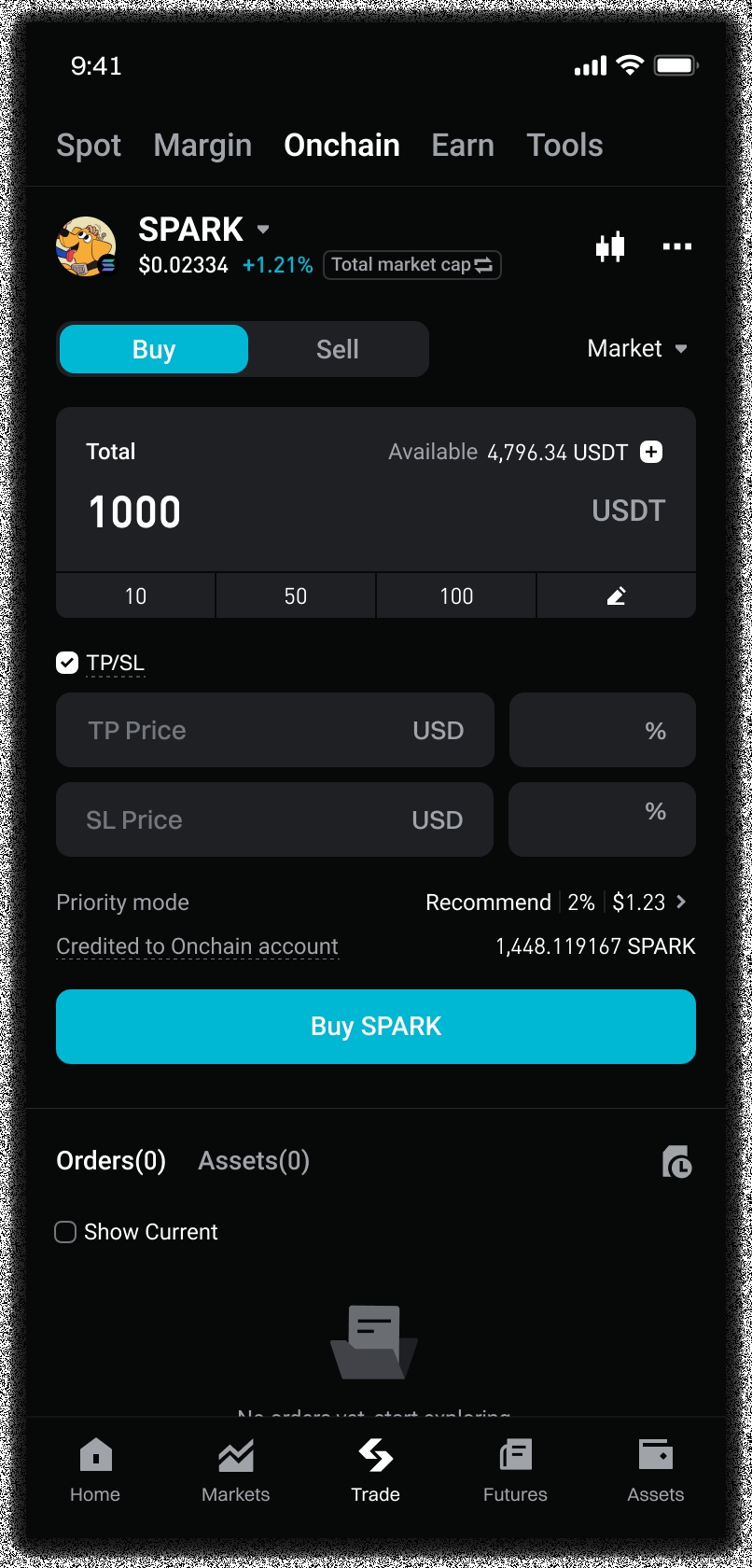
Configure automated safeguards such as stop-loss orders or auto-deleveraging triggers. AI algorithms can optimize these triggers to minimize slippage while protecting your principal capital during extreme market swings.
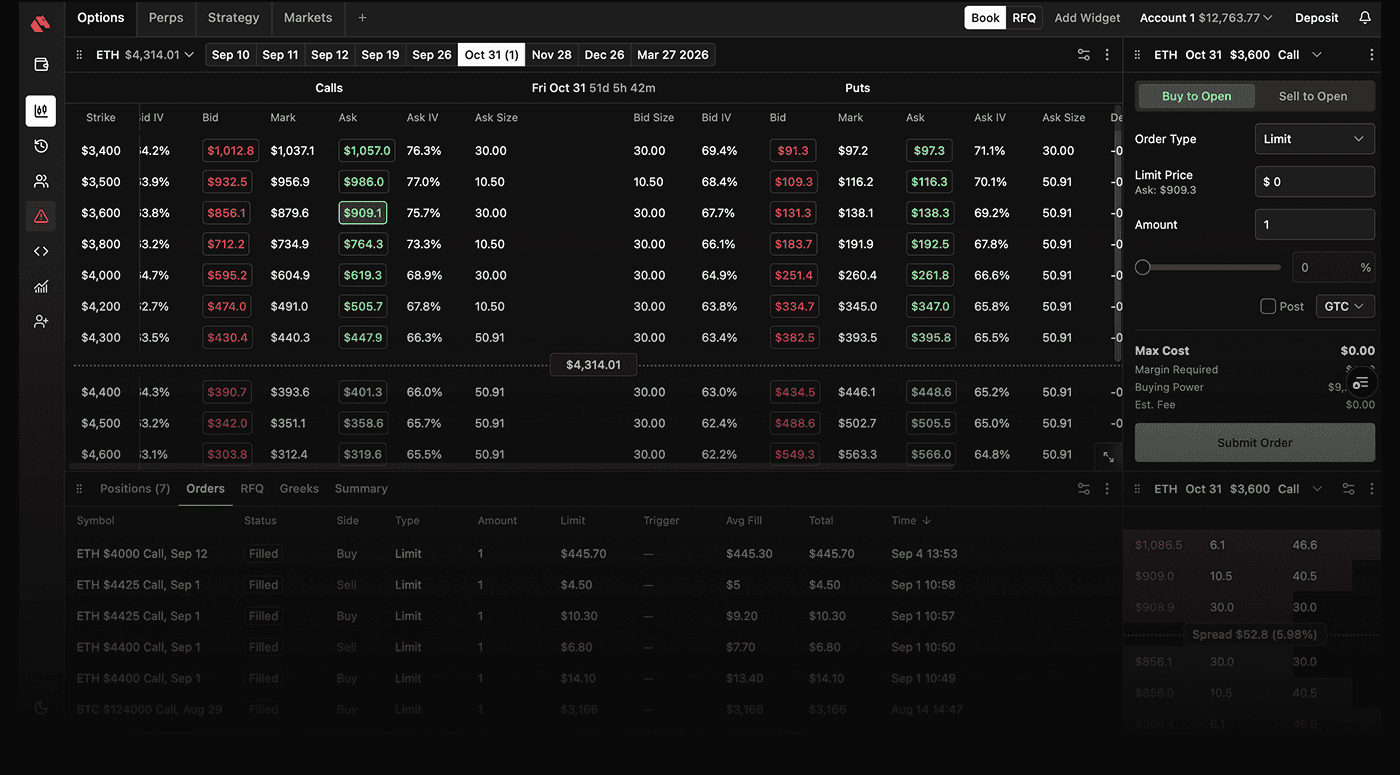
Periodically review your margin usage against AI-generated insights. Identify idle collateral that could be redeployed or positions that require rebalancing to maintain optimal risk-adjusted returns.
By following these steps, traders can effectively reduce liquidation risk while maximizing the utility of their on-chain perp margin. This structured approach transforms margin management from a reactive chore into a proactive, data-driven strategy.
Common questions about perp margin
Perpetual futures trading relies on two specific margin thresholds to manage risk: initial margin and maintenance margin. Initial margin is the collateral required to open a trade, calculated as position size multiplied by mark price, divided by leverage. For example, a $10,000 position at 10x leverage requires $1,000 in initial margin. Maintenance margin is the lower, ongoing minimum required to keep the position open without liquidation.
Is perp trading profitable? Trading perpetual futures can be highly profitable for experienced traders, offering leverage and flexibility to speculate on asset price movements without expiration dates. However, this potential return comes with significant risk, particularly the threat of liquidation if the market moves against your position.
No comments yet. Be the first to share your thoughts!