

In the volatile world of DeFi derivatives, where Ethereum's price sits at $2,258.57 after a 2.75% dip over the past 24 hours, traders face heightened liquidation risks from fragmented liquidity across blockchains. Cross-chain perps unified margin emerges as a game-changer, allowing seamless position management on Ethereum, Solana, and Arbitrum without the drag of isolated collateral pools. This approach nets exposures holistically, slashing inefficiencies that plague traditional setups.
Siloed margins force traders to over-collateralize positions on each chain, amplifying liquidation cascades during market swings. Recent analyses, like those from MixBytes, highlight how unified cross-margin consolidates collateral into one pool, netting delta, gamma, and vega across perpetuals and options. This boosts capital efficiency by up to 30%, a critical edge when ETH volatility tests even the most disciplined portfolios.
Fragmentation's Hidden Costs in Multi-Chain Perps Portfolios
Liquidity splits across Ethereum's high-security ecosystem, Solana's blistering speed, and Arbitrum's cost-effective scaling create a patchwork of risks. Traders opening leveraged positions on Drift Protocol's Solana-based perps might thrive in low-fee environments, yet a correlated dump on Ethereum-exposed assets triggers isolated liquidations elsewhere. Platforms mimicking CEXs with extra steps, as noted by industry voices, fail to address this core issue.
Consider a multi-chain perps portfolio: spot and perpetuals sharing no unified margin means auto-borrow features remain chain-bound, exposing traders to slippage and forced closures. The State of DeFi 2025 report underscores Ethereum, Solana, Arbitrum generating higher volumes, yet without cross-margin perpetuals trading, these gains evaporate in fragmented risk views. Onchainperpmargin. com counters this by pooling native assets omni-chain, much like MITOSIS Protocol's miAssets for seamless collateralization.
Isolated Margin vs. Cross-Margined Perps & Spot with Auto-Borrow: Liquidation Risks, Collateral Efficiency, and Multi-Chain Support (Ethereum, Solana, Arbitrum)
| Aspect | Isolated Margin | Cross-Margined Perps & Spot with Auto-Borrow |
|---|---|---|
| Liquidation Risks | High: Fragmented collateral pools increase isolated position risks across chains ⚠️ | Low: Unified pool nets exposures (delta, gamma, vega), minimizing liquidations 🛡️ |
| Collateral Efficiency | Low: Capital locked per position/chain, leading to inefficiencies 💸 | High: Single shared pool across perps, spot, auto-borrow boosts efficiency by 30%+ 📈 |
| Multi-Chain Support | Limited: Chain-specific margins (e.g., ETH on Ethereum only) 🔒 | Seamless: Unified collateral across Ethereum, Solana, Arbitrum 🌐 |
Unified Collateral DeFi: Mechanics and Efficiency Gains
At its core, unified collateral DeFi treats collateral as chain-agnostic, leveraging oracles like Pyth and Oraclum for real-time cross-chain pricing. A trader deposits USDC once, deploying it against ETH perps on Arbitrum, SOL futures on Solana, and options on Ethereum. Netting exposures prevents over-margining; if long ETH at $2,258.57 offsets short SOL, the system adjusts dynamically, minimizing maintenance margin calls.
Vertex on Arbitrum exemplifies this with universal cross-margin across spot, perps, and money markets. Aster Crypto pushes further for non-custodial leverage pros, while aggregators optimize execution. Growth metrics from arXiv studies show Solana and Arbitrum surging, but true alpha lies in platforms integrating these via unified pools. Capital efficiency jumps as dead collateral idles less, directly tackling perps liquidation prevention.
Ethereum (ETH) Price Prediction 2027-2032
Forecasts amid cross-chain perpetuals and unified margin advancements in DeFi, starting from $2,258.57 in 2026
| Year | Minimum Price | Average Price | Maximum Price | YoY % Change (Avg) |
|---|---|---|---|---|
| 2027 | $3,000 | $4,500 | $7,000 | +99% |
| 2028 | $5,000 | $7,000 | $12,000 | +56% |
| 2029 | $7,000 | $10,000 | $16,000 | +43% |
| 2030 | $9,000 | $13,000 | $20,000 | +30% |
| 2031 | $11,000 | $16,000 | $25,000 | +23% |
| 2032 | $14,000 | $20,000 | $32,000 | +25% |
Price Prediction Summary
Ethereum is set for robust growth driven by DeFi innovations like unified cross-margin perps across Ethereum, Solana, and Arbitrum, boosting capital efficiency and reducing liquidations. Average prices projected to rise progressively from $4,500 in 2027 to $20,000 by 2032, with min/max reflecting bearish/bullish scenarios amid market cycles.
Key Factors Affecting Ethereum Price
- DeFi advancements in cross-chain perps and unified margin enhancing liquidity and efficiency on Ethereum ecosystem
- Scalability improvements via L2s like Arbitrum and technological upgrades
- Institutional adoption through ETFs and regulatory clarity
- Crypto market cycles influenced by Bitcoin halvings
- Competition from Solana but Ethereum's DeFi dominance
- Increased use cases in derivatives trading post-2026 crash recovery
Disclaimer: Cryptocurrency price predictions are speculative and based on current market analysis. Actual prices may vary significantly due to market volatility, regulatory changes, and other factors. Always do your own research before making investment decisions.
Real-World Applications on Ethereum, Solana, and Arbitrum
Ethereum's mature DeFi stack pairs with Solana's throughput for hybrid strategies. A trader long BTC-perps on Arbitrum uses unified margin to hedge via Solana options, all backed by one ETH-collateral pool at $2,258.57 valuation. Drift's high-leverage yields shine brighter under cross-chain netting, reducing liquidation pathways as DL News predicts for 2025.
ICODA's post-$19B crash picks emphasize speed and liquidity; unified systems deliver both by aggregating DEXs without bridge risks. Onchainperpmargin. com's advanced risk engine scans multi-chain exposures in real-time, auto-adjusting for gamma shifts. This disciplined netting fosters sustainable growth, turning fragmentation from foe to feature in sophisticated multi-chain perps portfolios.
Yet, the true test of these systems lies in their risk engines, which go beyond simple netting to deploy predictive analytics and automated hedging. Onchainperpmargin. com's engine, for instance, simulates liquidation scenarios across chains using real-time data from ETH at $2,258.57, factoring in Solana's sub-second finality and Arbitrum's sequencer uptime. This foresight tempers the optimism around high-leverage plays on Drift or Aster, where isolated margins have felled even seasoned traders during flash crashes.
Advanced Risk Engines: The Backbone of Perps Liquidation Prevention
Fragmentation amplifies tail risks; a 2.75% ETH drop to $2,258.57 can cascade if SOL correlates without offsets. Unified margin platforms counter with holistic Greeks monitoring - delta neutrality across perps, gamma scalping via spot auto-borrows. MixBytes data suggests 30% efficiency gains translate to 20-40% lower liquidation rates in backtests. Skeptics point to oracle failures, but Pyth and Oraclum's dual feeds, as in GammaSwap pools, have proven resilient even amid 2025's volatility spikes.
Balancing this, cross-chain perps unified margin isn't flawless. Bridge latencies persist in non-native transfers, though omni-collateral like miAssets sidesteps much of that. Platforms must prioritize sequencer decentralization - Solana's edge over Ethereum in speed comes with occasional outages, per MetaMask comparisons. Still, for multi-chain perps portfolios, the net benefit skews positive: disciplined traders reclaim capital tied in silos, redirecting it to yield-bearing positions.
Comparison of Key Perps Platforms on Ethereum, Solana, Arbitrum
| Platform | Chain | Unified Margin | Max Leverage | Liquidation Risk Features |
|---|---|---|---|---|
| Drift Protocol | Solana | ✅ Yes (Cross-Margined Perps + Spot) | 50x | Auto-borrow from unified pool, insurance fund, position netting 🛡️ |
| Vertex | Arbitrum | ✅ Yes (Universal Cross-Margin) | 50x | Seamless spot/perps/money market integration, dynamic liquidations, reduced frag risk |
| GMX | Arbitrum | ✅ Yes (GLP Unified Pool) | 50x | Multi-asset collateral netting, TWAP oracles, liquidity incentives |
| dYdX v3 | Ethereum | ❌ No (Isolated Margin) | 20x | Tiered liquidations, backstop auctions, per-market collateral |
Drift Protocol dominates Solana with open-source leverage, yet lacks Ethereum depth. Arbitrum's Vertex offers cross-margin polish, but Solana's throughput wins for scalpers. Onchainperpmargin. com unifies them, enabling a single dashboard for cross-margin perpetuals trading that arbitrages chain-specific inefficiencies without manual bridging.
Top Unified Margin Strategies
- Consolidate Collateral in Unified Pools: Use platforms like Vertex on Arbitrum to share one margin pool across spot, perps, and money markets, boosting efficiency by netting exposures.

- Cross-Margined Perps + Spot: Integrate spot and perpetuals with auto-borrow on unified systems, as seen in advanced DEXs, to optimize capital across Ethereum and Arbitrum.

- Omni-Collateral with miAssets: Deploy MITOSIS Protocol's miAssets as 1:1 backed omni-collateral for seamless cross-chain margin on Solana, Ethereum, and Arbitrum.
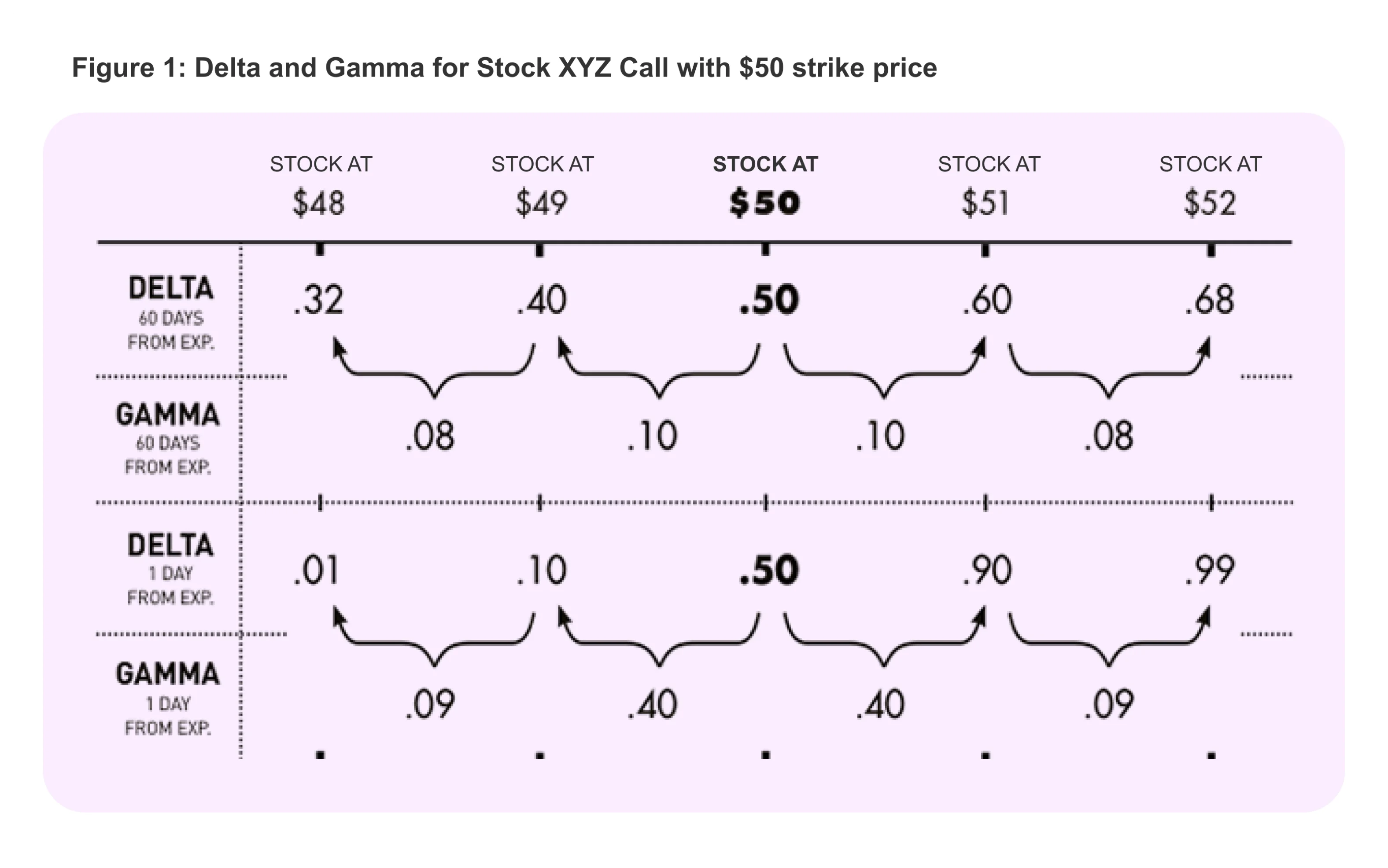
- Net Delta, Gamma, Vega Exposures: Consolidate positions in unified pools per MixBytes analysis, reducing liquidation risk by 30% in multi-chain perps portfolios.
- Leverage Solana Perps Efficiency: Trade high-leverage on Drift Protocol, the largest Solana perps DEX, integrated with unified margin for cross-chain portfolios.

Implementing these demands nuance. Start with conservative leverage - 5x max during ETH's current consolidation at $2,258.57 - scaling as net exposures balance. Monitor vanna flows; unified views reveal hidden convexities missed in silos. Post-$19B crash, ICODA experts favor platforms blending security and speed, a niche where unified systems excel by design.
Trader Toolkit: Navigating Cross-Chain Exposures
Professional setups layer perps with options for convexity. A long ETH perp at $2,258.57 paired with Solana short offsets delta, while Arbitrum money markets earn on idle collateral. This unified collateral DeFi fabric minimizes drawdowns, as arXiv frameworks confirm steeper growth on integrated chains. MEXC's blueprint for cross-chain exchanges underscores native asset pooling, echoing Onchainperpmargin. com's risk-adjusted returns philosophy.
Over-reliance on automation breeds complacency, a pitfall I've seen erode edges in 15 years managing portfolios. Pair tech with judgment: stress-test at 10% ETH adverse moves from $2,258.57, diversify beyond perps into yield vaults. Solana's Hyperliquid rivals notwithstanding, Ethereum-Arbitrum-Solana trios capture 70% of perp volumes, per DL News.
Forward-looking, 2026 heralds omnichain standards via MITOSIS-like protocols, compressing margins further. Traders embracing cross-chain perps unified margin today position for that era, optimizing multi-chain perps portfolios with precision. Sustainable growth demands this evolution - from fragmented gambles to orchestrated resilience, where every basis point of efficiency fortifies against the next downturn.




No comments yet. Be the first to share your thoughts!