
Onchain perp margin limits to account for
Use this section to make the How Onchain Perp Margin is Redefining Capital Efficiency decision easier to compare in real life, not just on paper. Start with the reader's actual constraint, then separate must-have requirements from details that are merely nice to have. A practical choice should survive normal use, maintenance, timing, and budget. If a recommendation only works in an ideal situation, call that out plainly and give the reader a fallback path.
The simplest way to use this section is to write down the must-have criteria first, then compare each option against those criteria before weighing nice-to-have features.
Onchain perp margin choices that change the plan
Onchain perpetual futures allow traders to speculate on asset prices with leverage, but the margin model you choose dictates your risk exposure and capital efficiency. Unlike centralized exchanges that handle risk off-chain, DeFi perpetuals settle directly on-chain, meaning your choice between cross and isolated margin has immediate, tangible consequences for your portfolio.
The primary decision rests on how much collateral backs your position. Cross-margin pools your entire wallet balance to maintain open positions, offering higher capital efficiency but exposing all assets to liquidation. Isolated margin assigns a specific amount of collateral to each trade, capping losses to that portion but requiring more frequent rebalancing. Understanding these mechanics is essential for managing leverage safely.
| Feature | Cross Margin | Isolated Margin |
|---|---|---|
| Collateral Pool | Entire wallet balance | Allocated portion only |
| Liquidation Risk | Higher (all assets at risk) | Lower (capped to position) |
| Capital Efficiency | High | Lower |
| Best Use Case | Diversified, long-term positions | Short-term, high-leverage trades |
Cross-margin is generally preferred by traders seeking maximum capital efficiency. By sharing collateral across multiple positions, you reduce the likelihood of individual position liquidations during temporary volatility. This mode is particularly effective for diversified portfolios where gains in one position can offset losses in another. However, a significant market move against your entire portfolio can wipe out your total balance.
Isolated margin acts as a circuit breaker. It limits your downside to the specific amount of collateral you assign to a trade. This is crucial for high-leverage strategies or volatile assets where a sudden price swing could otherwise cascade into a total account loss. While it requires more active management to avoid under-collateralizing individual positions, it provides a clear boundary for risk.
The choice ultimately depends on your risk tolerance and trading frequency. Cross-margin suits those who want to minimize overhead and maintain broad exposure. Isolated margin is better for traders who want to isolate specific bets or operate with high leverage. Always align your margin mode with your overall portfolio strategy to avoid unintended liquidations.
How to choose the right onchain perp margin strategy
Onchain perpetual futures offer leverage, but the margin model you select dictates your risk exposure and capital efficiency. Unlike traditional centralized exchanges, onchain platforms often provide granular control over how collateral is allocated. Choosing between cross and isolated margin is not just a preference; it is a structural decision that determines whether a single bad trade drains your entire portfolio or remains contained.
To navigate this, follow this decision framework to align your margin type with your trading style and risk tolerance.
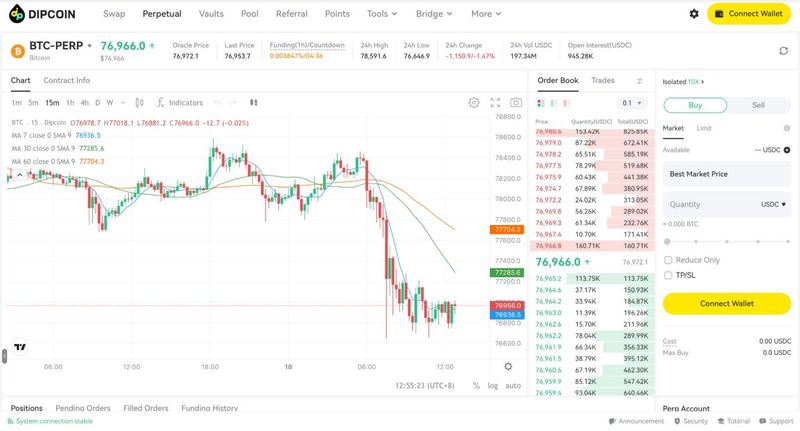
Cross margin pools all your eligible assets into a single margin bucket. This is ideal for high-frequency traders or those with large, diversified portfolios who want maximum capital efficiency. Your available leverage adjusts dynamically based on your total account balance, allowing you to open larger positions without moving additional funds. However, a significant liquidation in one position can drain your entire collateral pool.

Isolated margin assigns a specific amount of collateral to each individual position. This acts as a hard cap on your losses. If a trade goes against you, only the allocated isolated funds are liquidated, leaving the rest of your portfolio untouched. This is the preferred method for new traders, those testing new strategies, or anyone who wants to strictly limit downside exposure regardless of their total account size.
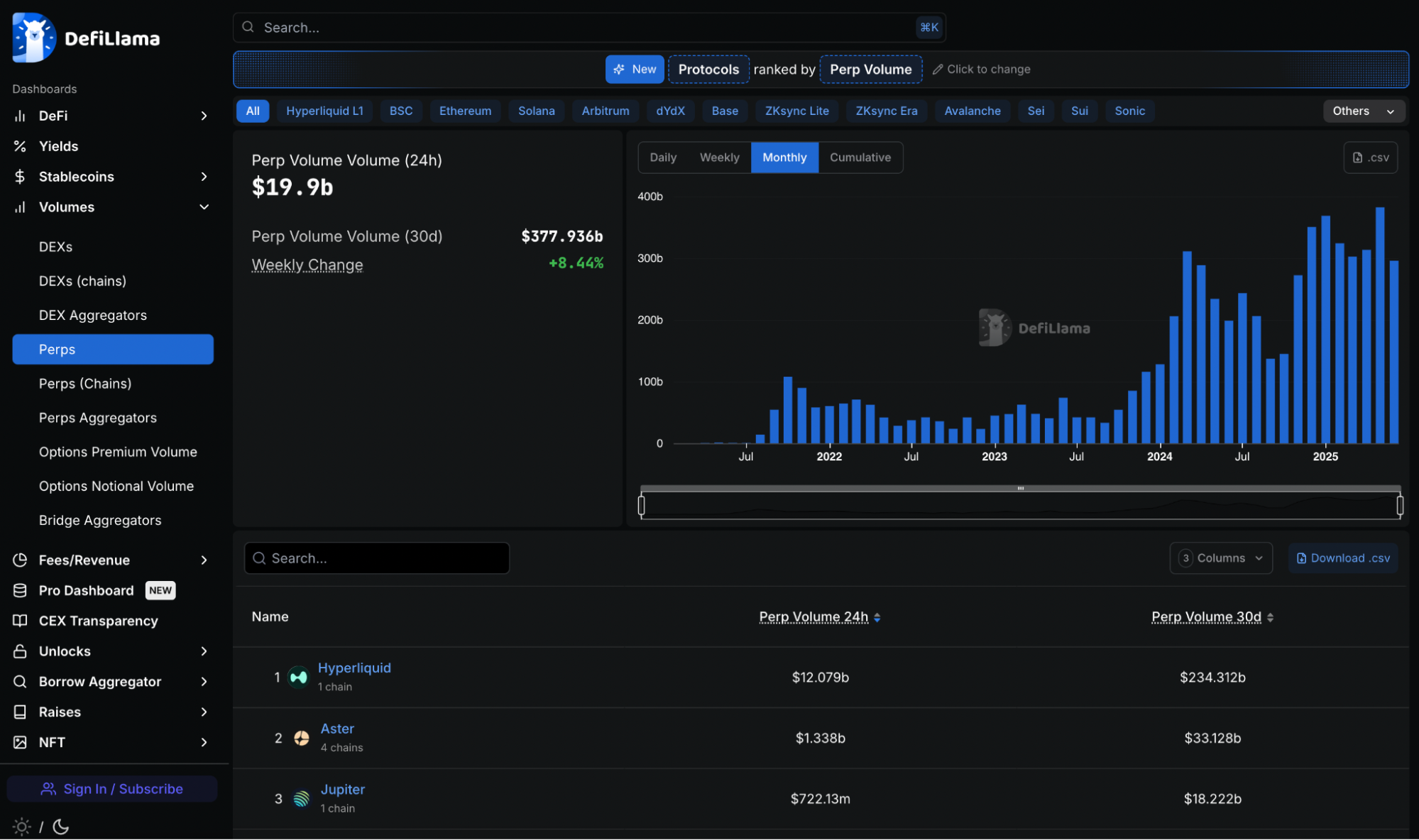
Onchain trading incurs gas fees for every margin adjustment, position open, and close. Cross margin often requires fewer transactions because collateral is shared, potentially reducing gas overhead for active traders. Isolated margin may require more frequent rebalancing or new deposits if a position approaches liquidation, increasing cumulative gas costs. Calculate whether your expected profit margin outweighs the onchain execution fees, especially on high-gas networks.
Not all onchain perpetuals platforms handle liquidations identically. Some use auction-style liquidations that may result in better prices but slower execution, while others use instant market liquidations. Review the platform’s documentation on how margin calls are triggered. Understanding whether the platform allows partial liquidations or requires full closure is critical for managing your remaining capital during volatile market swings.

Regardless of your margin choice, define your exit strategy before entering the trade. Set stop-losses and take-profit levels explicitly. Onchain platforms often lack the instant customer support of centralized exchanges, so automated risk management tools are your primary defense. Ensure your smart contract interactions are tested on a testnet if possible, and start with small position sizes to verify the platform’s margin behavior under real market conditions.
Watch Out for Weak Margin Options
Onchain perpetuals promise capital efficiency, but the margin structure you choose dictates your survival. Many platforms advertise high leverage without clarifying how liquidation engines handle volatility. A misleading claim often hides in the fine print: cross margin may look efficient until a single bad trade drains your entire wallet.
Cross Margin Risks
Cross margin pools all your account balance as collateral. This allows for higher position sizes but removes the safety net of isolated risk. If the market moves against you, you lose everything in the account, not just the allocated portion. Use this only if you are prepared to lose the total balance.
Isolated Margin Limits
Isolated margin caps your loss to the specific amount allocated to the position. This is safer for beginners but requires constant monitoring and manual adjustments. If your isolated collateral is depleted, the position liquidates immediately, leaving the rest of your funds untouched. It is less capital efficient but protects your broader portfolio.
Hidden Liquidation Triggers
Some platforms use aggressive liquidation thresholds that trigger before your price stops out. This creates "slippage" losses that exceed your expected risk. Always check the liquidation engine's formula. A 1% buffer might be insufficient during high volatility, leading to unexpected losses.
Funding Rate Manipulation
Funding rates can erode profits in ranging markets. Some platforms have opaque rate calculations that favor the house. Check the historical funding rate data. If rates are consistently positive for long positions, you are paying to hold, which eats into your margin efficiency.
Gas Fee Overhead
Onchain transactions incur gas fees that can eat into small margins. High-frequency trading on Layer 2s is cheaper, but Layer 1s can make small positions unprofitable. Calculate the breakeven point including gas. If your profit target is less than the gas cost, the trade is not worth the risk.
Onchain perp margin: what to check next
Onchain perpetual futures (perps) are decentralized derivatives contracts that allow traders to speculate on asset prices with leverage without expiration dates. Unlike traditional futures, these contracts live entirely on-chain via smart contracts that handle order matching and margin calculations directly in the wallet.
Margin in perp trading is the collateral you deposit to open a leveraged position. Most onchain platforms offer two modes: cross margin, which shares your entire wallet balance across all positions, and isolated margin, which restricts risk to a specific amount allocated to a single trade. This distinction is critical for capital efficiency and liquidation safety.
Is perp trading risky? Yes, significantly. Leverage amplifies both gains and losses. If your margin balance falls below the maintenance requirement, the position is liquidated, often at a loss. While insurance funds and cross-margin features can mitigate some risk, the volatility of crypto assets and smart contract vulnerabilities remain real threats.
No comments yet. Be the first to share your thoughts!