
How onchain perp margin works
Onchain perpetual futures let you trade with leverage without a centralized exchange holding your funds. Instead, smart contracts enforce the rules directly on the blockchain. To open a position, you must lock up collateral, known as initial margin. This acts as a security deposit that ensures you can cover potential losses.
Once the trade is open, the contract monitors your position against a lower threshold called maintenance margin. If your collateral value drops below this level due to market moves, the protocol triggers a liquidation to protect the lending pool. This is distinct from offchain trading, where a company manages your risk; here, the code handles it automatically.
Most decentralized perp DEXs offer two margin modes. Isolated margin limits risk to the specific collateral in that single trade. Cross margin links your entire wallet balance to the position, allowing you to use unused assets as buffer. Understanding which mode you are using is the first step in managing your onchain perp margin risk.
Onchain perp margin choices that change the plan
Onchain perpetuals let you trade with leverage without an expiration date, but they introduce distinct risks compared to centralized exchanges (CEXs). The core difference lies in how capital is secured and how liquidations are handled. You must weigh the benefits of non-custodial control against the realities of smart contract risk, gas costs, and slippage.
Margin Models and Capital Efficiency
Understanding margin types is the first step in managing risk. Initial margin is the collateral required to open a trade, while maintenance margin is the lower threshold that keeps the position open. If your equity falls below maintenance, the position liquidates.
Most onchain DEXs offer both isolated and cross-margin modes. Isolated margin limits risk to the specific collateral allocated to a single position. Cross-margin shares your entire wallet balance across all open positions, which can prevent liquidation during minor volatility but exposes your full balance to larger drawdowns. Choose isolated margin for high-volatility trades to cap potential losses.
Liquidity and Slippage
Liquidity depth directly impacts execution quality. Centralized exchanges often have deeper order books, but onchain perps rely on automated market makers (AMMs) or synthetic indices. Thin liquidity can lead to significant slippage, especially during high-volatility events or when opening large positions.
Always check the current liquidity pool depth before trading. A shallow pool might offer a tight spread initially but widen rapidly as you trade, eroding your edge. Some platforms mitigate this with dynamic fees or oracle-based pricing, but the risk of unfavorable execution remains a key tradeoff.
Smart Contract and Gas Risks
Onchain trading carries smart contract risk. Bugs or exploits in the protocol code can lead to total loss of funds. Reputable protocols undergo multiple audits, but no audit guarantees immunity. Additionally, gas fees on congested networks can eat into profits, particularly for smaller accounts or frequent traders.
While gas costs vary by network, they are a tangible expense absent in CEXs. Consider layer-2 solutions for lower fees, but be aware that liquidity may be fragmented across chains. Weigh the security benefits of established mainnets against the cost efficiency of newer ecosystems.
| Factor | CEX | Onchain | Trader Impact |
|---|---|---|---|
| Margin Type | Usually Cross | Isolated or Cross | Isolated limits loss per trade |
| Liquidation | Fast, centralized | Oracle-driven, sometimes delayed | Delayed liqs can increase slippage |
| Counterparty Risk | Exchange custodian | Smart contract code | Code bugs pose existential risk |
| Fees | Maker/taker fees | Trading + Gas + Oracle | Gas adds variable cost per tx |
| Privacy | KYC required | Non-custodial, anonymous | No identity exposure |
Build a margin risk checklist
Onchain perpetuals let you borrow against crypto collateral, but leverage amplifies every price tick. Without real-time analytics, a small move can wipe out your position. Use this checklist to filter out risky setups before you trade.

Most DEXs offer Isolated or Cross margin. Isolated margin limits loss to the specific position’s collateral. Cross margin shares your entire wallet balance. If you are new to onchain trading, stick to Isolated mode to prevent a single bad trade from draining your whole portfolio.
Initial margin is the collateral required to open a trade, while maintenance margin is the lower ongoing minimum required to keep it open. If your collateral drops below the maintenance level, the protocol liquidates your position. Always calculate the distance between your entry price and the liquidation price before entering.
Onchain data is public, but it moves fast. Use a risk analytics dashboard to track your position health in real-time. Set alerts for when your margin ratio hits 80% or 90%. This gives you time to add collateral or close the trade before a forced liquidation occurs.
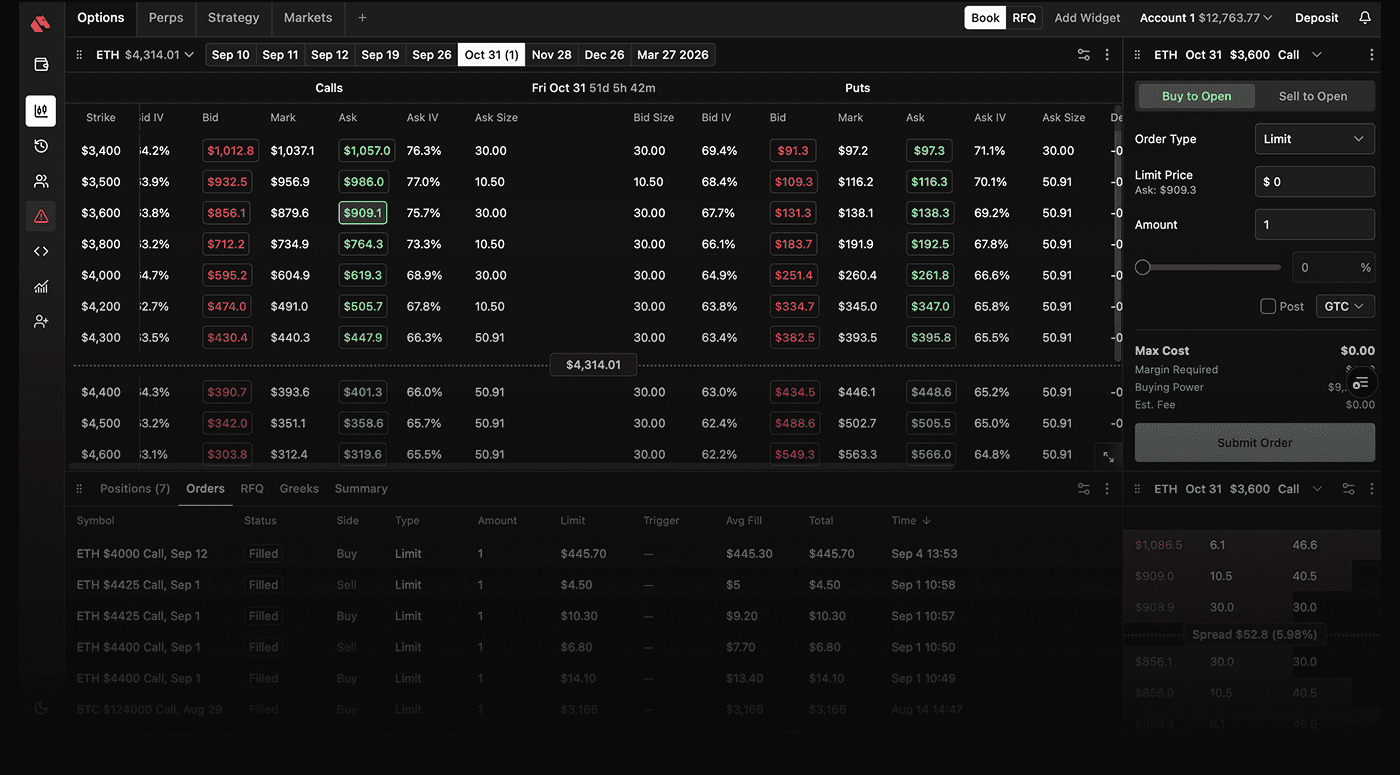
Never start with maximum leverage. Start with a small position size to understand the slippage and fees of the specific DEX. Onchain markets can have lower liquidity than centralized exchanges, meaning your exit price might be worse than expected during high volatility.


As an Amazon Associate, we may earn from qualifying purchases.
Common mistakes to avoid
- Ignoring maintenance margin: Many traders focus only on entry price. If the market dips slightly, you might be liquidated even if you are "up" in unrealized PnL depending on the funding rate and liquidation engine.
- Using cross margin recklessly: Cross margin is convenient but dangerous. It means every asset in your wallet is on the line. If you don't need it, don't use it.
- Overlooking network fees: Onchain transactions require gas. If your margin is tight, a spike in gas fees can trigger a liquidation or prevent you from adding collateral in time.
Spot the Weak Options
Onchain perpetuals offer leverage, but not all platforms are built to handle the risk. Many DEXs hide dangerous mechanics behind clean interfaces. You need to check the margin model before you trade. Cross-margin lets one position drain another, while isolated margin caps your loss to a single trade. Choosing the wrong mode can wipe your account faster than the market moves.
Watch out for platforms that ignore maintenance margin requirements. Initial margin gets you in the door, but maintenance margin keeps you there. If the price dips below this level, the protocol liquidates your position. Some weak options advertise high leverage without showing the liquidation price clearly. This opacity is a trap. Always verify the liquidation threshold on the official documentation before depositing funds.
Another common mistake is ignoring the funding rate. Perpetual contracts do not expire, so they use funding rates to keep the price close to the spot market. If you hold a long position during a high positive rate, you pay shorts. If the rate is negative, you get paid. Weak platforms often bury these rates in fine print. A sudden spike can eat your profits overnight. Check the current rate and the historical average on the platform’s dashboard. If the rate is unusually high, the market is stressed. Proceed with caution or wait for stability.
Onchain perp margin: what to check next
Before committing capital to onchain derivatives, it helps to separate the mechanics from the risks. Perpetual futures are smart contract-based instruments that let you trade with leverage without an expiration date. Unlike traditional futures, they rely on funding rates to keep prices tethered to the underlying asset.
Below are answers to the most common practical questions about margin and leverage.
No comments yet. Be the first to share your thoughts!