

CeFi vs DeFi Perps Volumes Cross-Chain Unified Margin Closing Gap

DeFi perpetuals trading hit a milestone in October 2025, processing over $1 trillion in monthly volume and pulling neck-and-neck with centralized exchanges. This isn’t some fleeting pump; it’s a structural shift fueled by hybrid market designs that blend CeFi speed with DeFi transparency. Traders no longer split collateral across silos or juggle chains, thanks to cross-chain unified margin perps. Platforms delivering this are rewriting the CeFi vs DeFi perps volumes narrative, proving on-chain solutions can handle real firepower.

DeFi Perps Volumes Explode, Matching CeFi Scale
Back in early 2025, perpetual DEXes clocked $73.5 trillion in cumulative volume, per Binance research, signaling maturity. Fast-forward to October, and DeFi platforms matched many CeFi heavyweights at $1 trillion monthly. Hyperliquid leads the charge, snagging major market share with on-chain derivatives that rival Binance or Bybit in liquidity. This DeFi perps volume growth stems from users ditching CeFi custody risks for self-custody perks, without sacrificing execution.
Galaxy’s Q3 2025 report underscores the leverage boom: crypto lending peaked at $73.6 billion, split between DeFi like Aave and CeFi like Tether. But perps tell the real story. DeFi’s edge? No black swan insolvencies like FTX. Blessed Okereke on Medium nails it: DeFi fixes CeFi’s opacity flaws, though early protocols wrestled usability. Now, with polished UIs and sub-second orders, the perps trading gap analysis shows DeFi closing fast.
CeFi vs DeFi Perps Monthly Volumes 2025 (Q3 Avg vs Oct)
| Type | Q3 2025 Avg Volume | Oct 2025 Volume | Growth % | Key Platforms |
|---|---|---|---|---|
| CeFi | $1.2T | $1.2T | 0% ➡️ | Binance, Bybit |
| DeFi | $800B | $1T | 25% 🚀 | Hyperliquid, Onchainperpmargin.com |
These figures aren’t hype. DL News calls 2025 DeFi’s pivot to durable finance, away from cycle-chasing speculation. Arkham Research and SCAND comparisons highlight CeFi’s user support versus DeFi’s code-is-law verifiability. The verdict? Volumes don’t lie; DeFi’s pulling even.
Cross-Chain Unified Margin: The Efficiency Game-Changer
Here’s where it gets practical: cross-chain unified margin perps let traders post one collateral pool across Ethereum, Solana, Arbitrum, wherever action brews. No more 20% idle funds on chain A while longing BTC on chain B. Onchainperpmargin. com exemplifies this, with its advanced risk engine scanning portfolios in real-time to dodge liquidations. Gate. io’s perp DEX review praises modular designs and unified engines mirroring multi-exchange margins.
Hybrid CeDeFi, as OKX explains, bridges trust gaps: CeFi’s insurance meets DeFi’s transparency. Bitget’s CMO in Observer touts interoperability for seamless liquidity. Flow Traders’ Matt O’Neill on LinkedIn observes TradFi, CeFi, DeFi converging on identical products from opposite ends. For medium-term hybrid strategies, this unified approach is gold; it adapts to volatility without margin calls derailing diversified setups.
Advantages of Cross-Chain Unified Margin
-
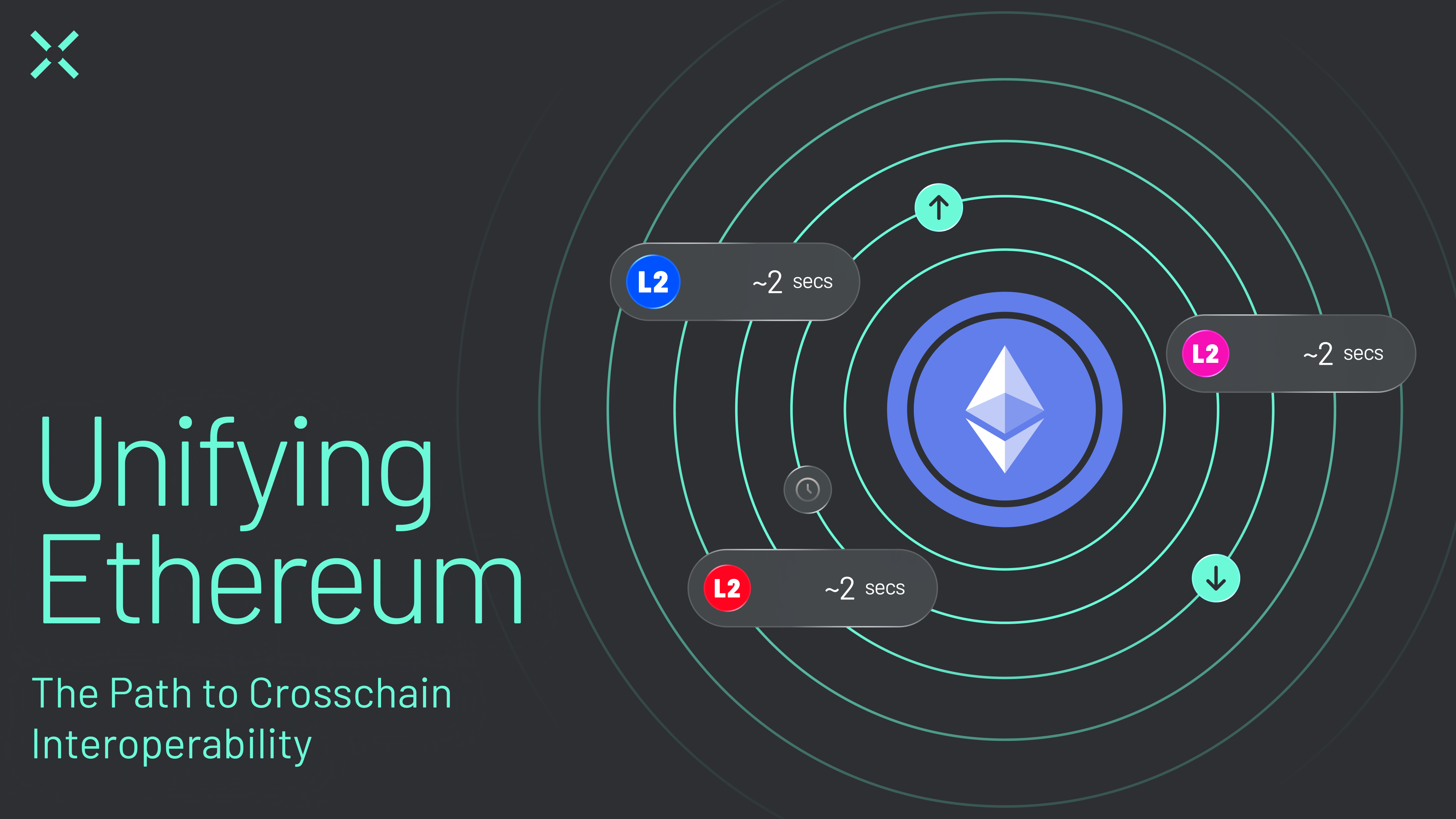
Capital Efficiency: One collateral pool usable across multiple chains, as seen in platforms like Hyperliquid.
-
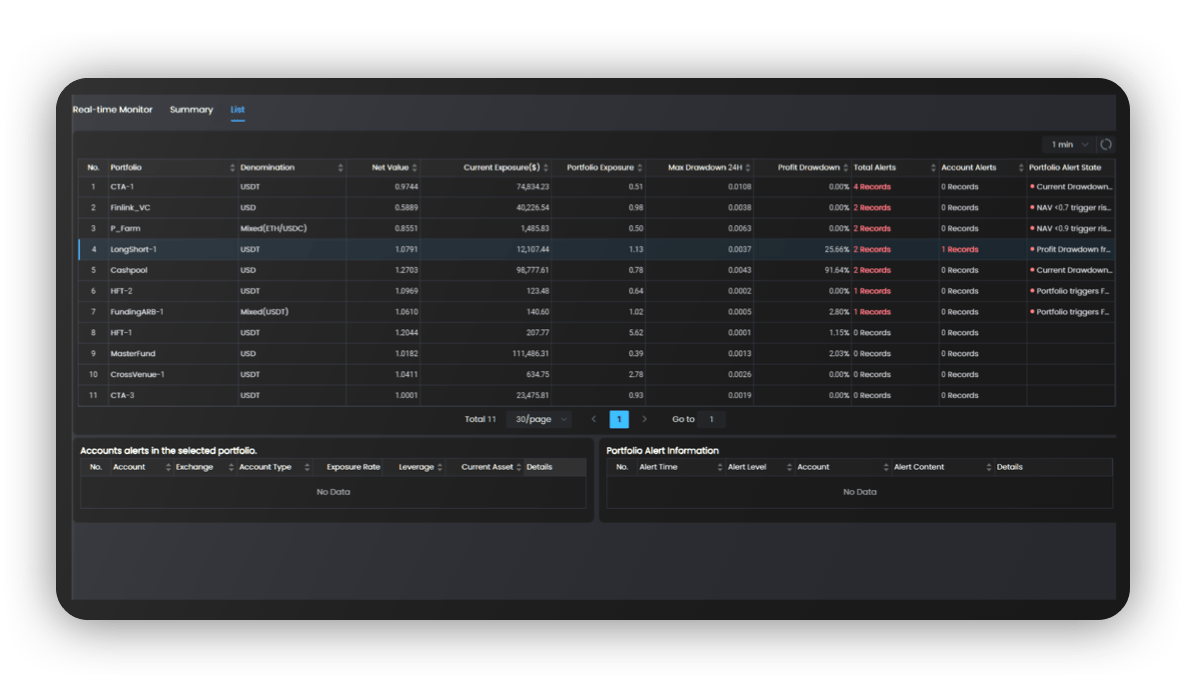
Risk Mitigation: Real-time analytics enable proactive risk management across positions.
-
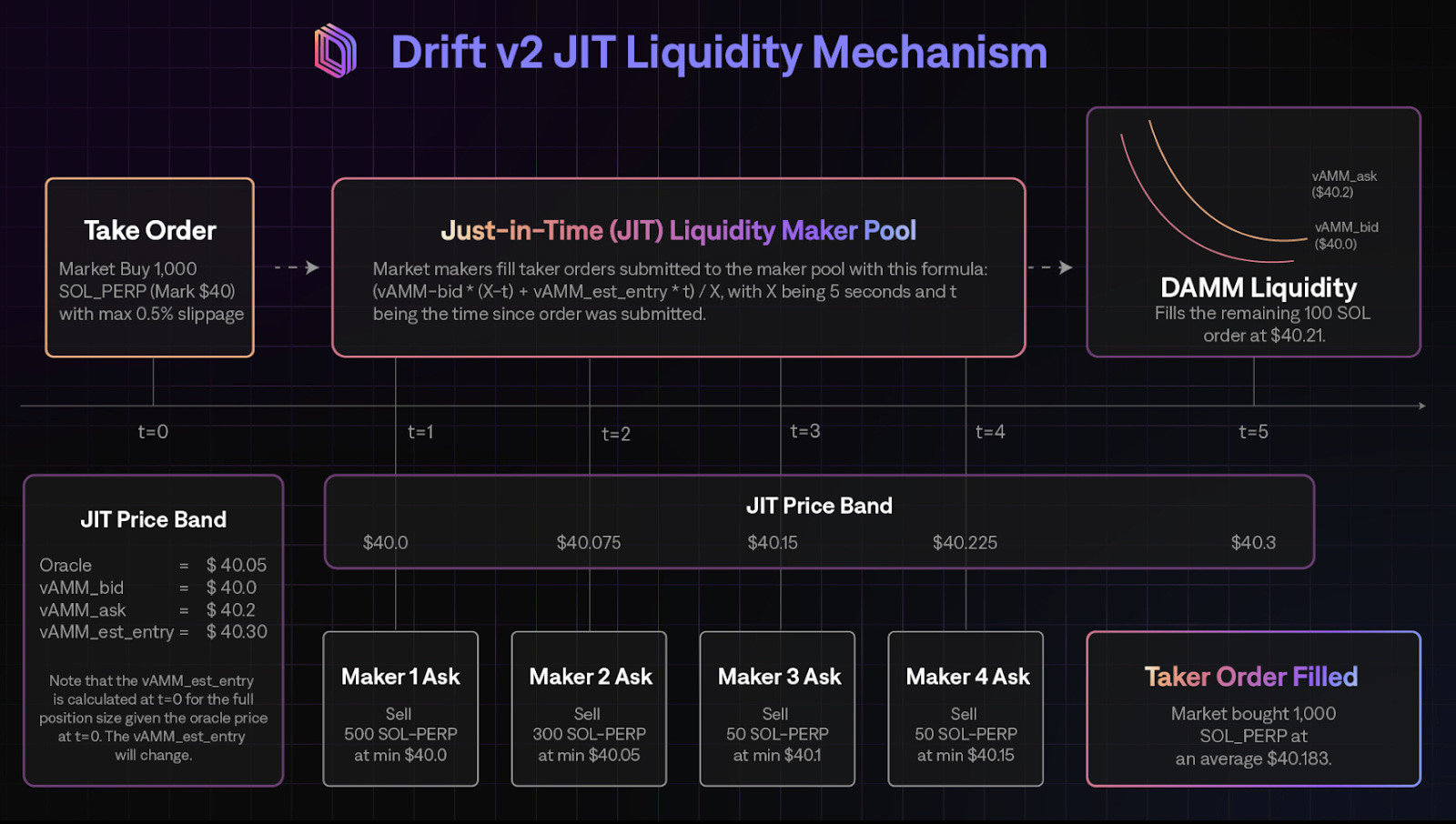
Liquidity Boost: Seamless cross-chain swaps aggregate liquidity from multiple sources.
-
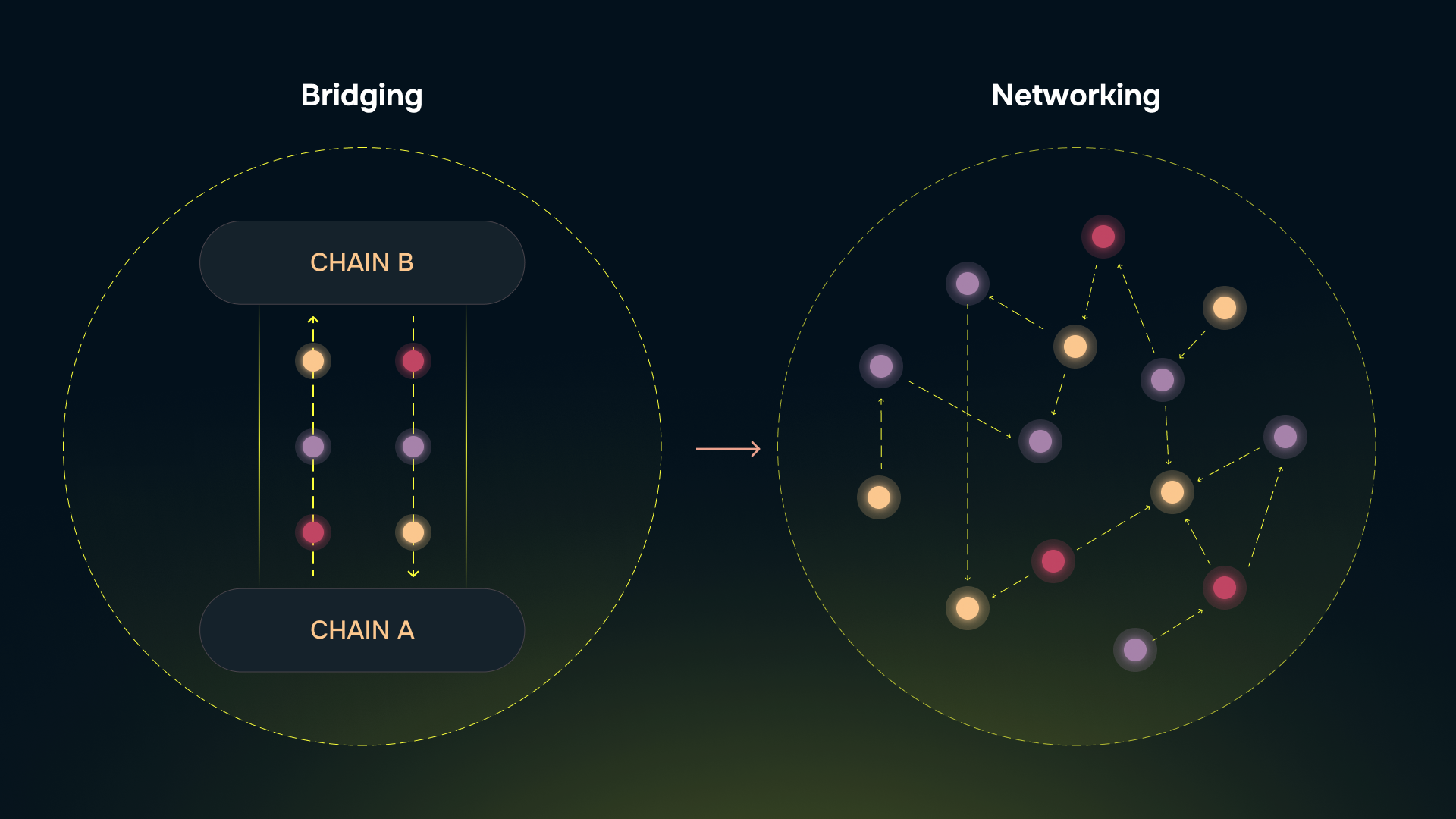
Lower Costs: No bridging fees required for multi-chain positions.
-

Scalability: Chain-agnostic positions support growth without platform switches.
Traders I coach swear by it. My 11 years in forex and crypto perps taught me adaptability trumps rigidity. Unified margin embodies that, turning fragmented DeFi into a CeFi-killer hybrid.
Why On-Chain Perps vs CeFi Is No Longer a Debate
On-chain perps vs CeFi boils down to control. CeFi offers slick apps but holds your keys; DeFi demands savvy but rewards with composability. Updated 2026 data confirms: hybrid architectures enable asset-type hops sans platform switches or margin splits. This boosts capital efficiency, per the latest context, making DeFi preferable for pros eyeing superior portfolio control.
OKX’s hybrid finance vision aligns perfectly. CeFi insures blowups; DeFi audits every trade on-chain. Platforms like Onchainperpmargin. com optimize this, minimizing liquidation risks across chains. No wonder volumes surged; traders vote with capital.

Change the infrastructure, and the constraint disappears.
24/7 dShares trading will roll out progressively, starting with select tickers and expanding over time.
Full announcement:
https://t.co/Wp9LYRRsat
That convergence isn’t theoretical; it’s playing out in real-time volumes. Platforms blending these worlds are where serious traders park capital, chasing efficiency without the CeFi strings attached.
Bridging the Perps Trading Gap with Hybrid Innovations
Hybrid setups shine in perps trading gap analysis. Take modular derivatives: Gate. io spotlights unified margin engines letting one account fuel positions across exchanges. No more siloed collateral eating into returns. This mirrors my hybrid strategies, where I layer forex discipline over crypto volatility for steady edges. DeFi’s maturation, as DL News frames it, cements perps as infrastructure, not speculation. Volumes prove it: from $800 billion quarterly averages to $1 trillion monthly peaks, DeFi perps volume growth outpaces CeFi in momentum.
CeFi still holds sway in retail ease, per SCAND’s breakdown, but pros migrate for verifiability. Arkham’s platform comparisons? CeFi wins support tickets; DeFi wins audits. Blessed Okereke flags early DeFi pain points like clunky UX, now solved by leaders like Hyperliquid. Bitget pushes hybrid liquidity, making chain hops feel native. The result? Traders manage unified collateral seamlessly, slashing liquidation odds.
Bitcoin Technical Analysis Chart
Analysis by Megan Foster | Symbol: BINANCE:BTCUSDT | Interval: 4h | Drawings: 8
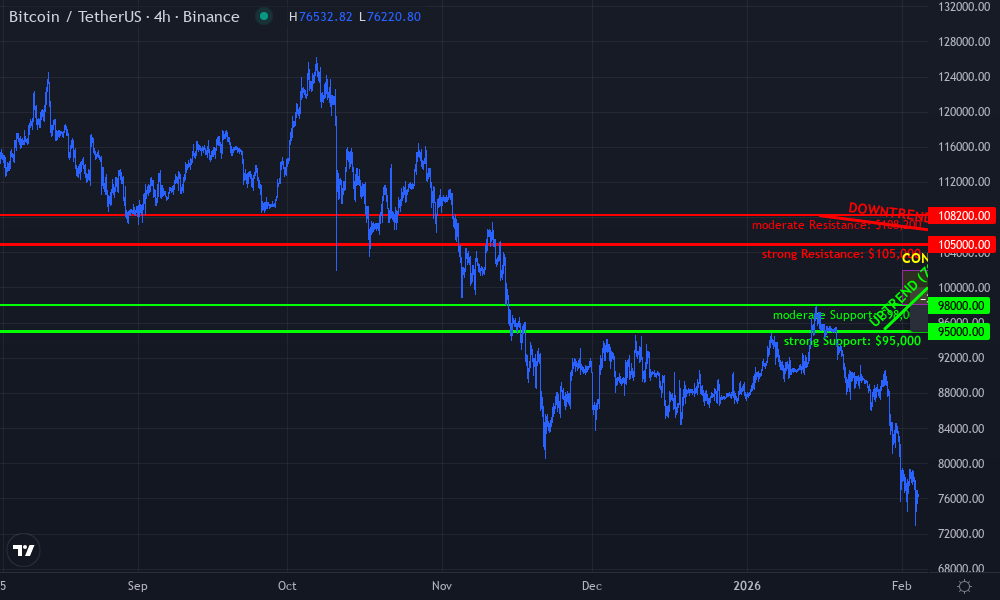
Technical Analysis Summary
As Megan Foster, employing my balanced hybrid analysis on this BTCUSDT chart spanning early 2026, start by drawing a primary downtrend line connecting the swing high at 2026-01-15 around $108,200 to the recent lower high at 2026-02-20 near $105,500, using ‘trend_line’ tool. Add horizontal support at $95,000 (strong prior low) and resistance at $105,000. Mark entry long zone at $96,000-$97,000 with ‘rectangle’, profit target $104,000 and stop $94,000 using ‘long_position’ and lines. Highlight consolidation range from 2026-02-01 to 2026-02-28 between $98,000-$102,000 with ‘date_price_range’. Place callouts on declining volume during pullback and MACD bearish divergence. Use arrows for potential breakdown below $95k. This setup aligns with medium-term hybrid strategy favoring dips in volatile perps.
Risk Assessment: medium
Analysis: Volatile perps market with clear support but overhead resistance; hybrid DeFi-CeFi growth adds upside catalyst but short-term divergence tempers aggression
Megan Foster’s Recommendation: Enter medium-risk longs on support hold, scale out at targets; monitor OnchainPerpMargin for efficient positioning
Key Support & Resistance Levels
📈 Support Levels:
-
$95,000 – Strong prior swing low tested multiple times
strong -
$98,000 – Recent consolidation base
moderate
📉 Resistance Levels:
-
$105,000 – Key horizontal resistance from Feb rejection
strong -
$108,200 – Major January high
moderate
Trading Zones (medium risk tolerance)
🎯 Entry Zones:
-
$96,000 – Bounce from strong support in consolidation, hybrid perp setup
medium risk -
$102,500 – Break above minor resistance for continuation
low risk
🚪 Exit Zones:
-
$104,000 – Near-term profit target at resistance confluence
💰 profit target -
$94,000 – Below strong support invalidates long bias
🛡️ stop loss
Technical Indicators Analysis
📊 Volume Analysis:
Pattern: declining on pullback
Volume drying up during downside, suggesting weakening sellers
📈 MACD Analysis:
Signal: bearish divergence
Price highs not matched by MACD, warning of reversal risk
Applied TradingView Drawing Utilities
This chart analysis utilizes the following professional drawing tools:
Disclaimer: This technical analysis by Megan Foster is for educational purposes only and should not be considered as financial advice.
Trading involves risk, and you should always do your own research before making investment decisions.
Past performance does not guarantee future results. The analysis reflects the author’s personal methodology and risk tolerance (medium).
Visualize that chart: DeFi lines steepen post-summer, crossing CeFi mid-October. It’s no accident; unified systems unlock idle capital, per Onchainperpmargin. com’s risk engine. My portfolios thrive here, adapting positions across Solana longs and Ethereum shorts without bridging drag.
Onchainperpmargin. com Leads Cross-Chain Perps Revolution
Dig into cross-chain unified margin perps: one dashboard, multi-chain exposure. Post collateral once, trade anywhere. Real-time analytics flag risks before they bite, vital in leveraged plays. Galaxy’s leverage report ties this to $73.6 billion peaks; DeFi protocols like Aave feed perps liquidity, CeFi like Nexo adds depth. But unified platforms orchestrate it all.
Onchainperpmargin. com stands out, empowering DeFi traders with portfolio-grade tools. Forget fragmented margins; optimize across chains for max efficiency. In my 11 years, nothing beats this for medium-term holds amid swings. OKX’s CeDeFi thesis? Spot on: hybrids fuse CeFi safeguards with DeFi purity, closing trust divides. Flow Traders sees markets converging; expect more TradFi inflows chasing these yields.
Traders face choice: stick with CeFi comforts or level up to on-chain control. Volumes scream the latter. Hyperliquid’s rise mirrors broader shifts, but unified margin tips scales. Platforms ignoring this? They’ll lag as capital flows to adapters.
Adaptability rules volatile arenas. Cross-chain perps deliver it, narrowing CeFi vs DeFi perps volumes to a sliver. Pros already know: unified margin isn’t future; it’s now. Scale your edge across chains, mitigate risks proactively, trade like the gap never existed.