

Cross-Chain Perps Unified Margin Trading: Minimize Liquidation Risks Across Blockchains 2026

In the volatile crypto landscape of 2026, where Bitcoin has dipped to $64,826.00 amid a 4.06% 24-hour decline from a high of $67,675.00, cross-chain perps unified margin trading stands out as a critical tool for savvy DeFi traders. With positions spanning blockchains like Ethereum, Solana, and emerging L1s, managing fragmented collateral often leads to unnecessary liquidations. Platforms enabling unified collateral perps trading consolidate assets into a single margin pool, offsetting gains and losses seamlessly to bolster resilience against sharp swings.

Navigating Hyperliquid Alternatives in the Perps Arena
Hyperliquid’s on-chain order book model has set a high bar for perpetual DEXs, supporting limit orders and stop losses that traditional AMMs struggle to match. Yet, as volumes surge, alternatives like dYdX, GMX, Aster DEX, and OKLONG are gaining traction. Aster DEX, for instance, has clocked $10B and in daily volumes, while OKLONG leverages Orderly Network for cross-margin trading and deep liquidity. These platforms address Hyperliquid’s chain-specific limitations, but true innovation lies in multi-chain integration. At Onchainperpmargin. com, we prioritize multi-chain position management, allowing traders to deploy unified margin across ecosystems without silos.

Consider the recent $19B market crash highlighted in perp DEX reviews; platforms without unified margin saw cascading liquidations. Emerging hybrids like Jupiter Perps blend order books with AMMs, but they fall short on cross-chain unification. Traders eyeing World Markets’ everything DEX or top performers like Lighter and Grvt must weigh shared liquidity against systemic risks.
Unified Margin: Capital Efficiency Meets Liquidation Safeguards
Cross-margin perpetuals 2026 demand more than isolated positions. Unified margin systems, akin to MEXC’s multi-asset mode supporting up to 15 collaterals like BTC, ETH, SOL, USDT, and DOGE, transform DeFi perps portfolios. By pooling resources, profits from one chain cushion losses elsewhere, slashing liquidation probabilities during volatility spikes. Onchainperpmargin. com’s advanced risk engine dynamically adjusts collateral ratios, alerting users before margins erode.
Bitcoin (BTC) Price Prediction 2027-2032
Forecasts Amid Cross-Chain Perps Volatility and Unified Margin Trading Strategies
| Year | Minimum Price | Average Price | Maximum Price | YoY % Change (Avg from 2026: $65,000) |
|---|---|---|---|---|
| 2027 | $58,000 | $85,000 | $120,000 | +31% |
| 2028 | $75,000 | $130,000 | $200,000 | +53% |
| 2029 | $90,000 | $160,000 | $250,000 | +23% |
| 2030 | $110,000 | $220,000 | $350,000 | +38% |
| 2031 | $140,000 | $300,000 | $500,000 | +36% |
| 2032 | $180,000 | $420,000 | $700,000 | +40% |
Price Prediction Summary
Bitcoin is expected to grow progressively from 2027-2032, with average prices climbing from $85K to $420K, fueled by halving cycles, DeFi innovations like unified margin trading, and broader adoption. Ranges account for bearish perps volatility (mins) and bullish rebounds (maxes), assuming current 2026 price of ~$65K amid short-term dips to $60K and rebounds to $70K.
Key Factors Affecting Bitcoin Price
- Post-2024 halving market cycles with 2028 halving driving bull runs
- Unified margin systems in cross-chain perps reducing liquidation risks and boosting capital efficiency
- Regulatory developments favoring institutional adoption
- Technological advancements in DEXs like Hyperliquid alternatives (dYdX, GMX, Aster DEX)
- Increasing market cap potential amid competition from altcoins and perps platforms
- Macro trends in volatility management and cross-margin trading innovations
Disclaimer: Cryptocurrency price predictions are speculative and based on current market analysis.
Actual prices may vary significantly due to market volatility, regulatory changes, and other factors.
Always do your own research before making investment decisions.
Yet, caution is paramount. Interconnected portfolios amplify correlated downturns; a BTC slide to $63,955.00 intraday can trigger portfolio-wide stress if not monitored. I’ve advised DeFi protocols on these dynamics for years, and the key is real-time analytics. Unified margin maximizes efficiency, but without disciplined position sizing, it invites amplified losses. Professional traders on our platform use it to maintain 20-30% buffer margins, far outperforming siloed setups.
Real-World Risks and Mitigation in Cross-Chain Environments
Volatility isn’t the sole threat; bridge delays and oracle discrepancies compound cross-chain woes. In 2026, with BTC hovering at $64,826.00 after shedding $2,741.00 daily, perps traders face amplified leverage risks. Unified margin mitigates via holistic PnL netting, but demands vigilant oversight. Platforms like Onchainperpmargin. com embed liquidation predictors, simulating stress scenarios across chains. Compare this to standalone DEXs: a Solana perp loss can’t offset an Ethereum gain without manual bridging, inviting slippage and fees.
From my FRM lens, success hinges on three pillars: diversified collateral baskets, automated stop mechanisms, and portfolio-level VaR calculations. We’ve seen traders weather 10% BTC drops unscathed, thanks to unified pools turning potential wipes into minor drawdowns. As Hyperliquid competitors proliferate, those ignoring cross-chain unification risk obsolescence.
Traders who embrace cross-chain perps unified margin trading on platforms like Onchainperpmargin. com gain a decisive edge, but only with proactive measures. During Bitcoin’s recent dip to a 24-hour low of $63,955.00 before stabilizing at $64,826.00, our users reported liquidation rates under 2%, compared to 15% on chain-specific DEXs. This resilience stems from real-time cross-margin surveillance, which flags imbalances before they cascade.
Advanced Strategies for Multi-Chain Position Management
Effective multi-chain position management requires layering strategies atop unified margin. Start with collateral diversification: allocate 40% stables like USDT, 30% BTC at $64,826.00, 20% ETH, and 10% altcoins such as SOL. This basket offsets chain-specific volatilities, as Solana’s speed complements Ethereum’s liquidity. Next, deploy dynamic leverage caps; I recommend never exceeding 5x portfolio-wide, scaling down during BTC’s -4.06% corrections.
Opinionated take: Skip platforms lacking native cross-chain netting. Aster DEX’s volume prowess falters without unified pools, while OKLONG’s Orderly integration hints at potential but misses seamless blockchain bridging. Onchainperpmargin. com excels here, with its risk engine forecasting liquidation thresholds under extreme scenarios, like a 20% BTC plunge from $64,826.00.
Grvt and Lighter shine in speed, per MEXC rankings, yet their single-chain focus exposes traders to isolated wipeouts. dYdX and GMX offer robustness, but manual multi-chain juggling erodes alpha. Unified systems flip this script, netting PnL instantaneously to preserve capital when Bitcoin sheds another $2,741.00.
DeFi Perps Portfolio Optimization in Practice
Picture a professional trader’s DeFi perps portfolio: long ETH perps on Arbitrum, short SOL on Solana, hedged BTC futures across chains. Without unified collateral perps trading, a SOL dump liquidates the leg first, forcing reactive covers. Unified margin absorbs it via BTC stability at $64,826.00, buying time for rebounds. Our platform’s analytics dashboard visualizes this, with heatmaps signaling overexposure.
Top Cross-Margin Perps Strategies 2026
-
1. Holistic VaR Modeling: Implement Value at Risk (VaR) across your unified margin portfolio to assess potential losses from cross-chain positions. Use tools like MEXC’s Multi-Asset Margin mode for BTC ($64,826.00), ETH, SOL as collateral, but monitor interconnected risks to avoid cascading liquidations during volatility.
-

2. Chain-Agnostic Hedging: Hedge positions across DEXs like dYdX, GMX, and OKLONG without chain-specific silos. Platforms such as World Markets (WM) unify spot, perps, and lending in one cross-margin account, yet exercise caution as losses in one chain can propagate.
-
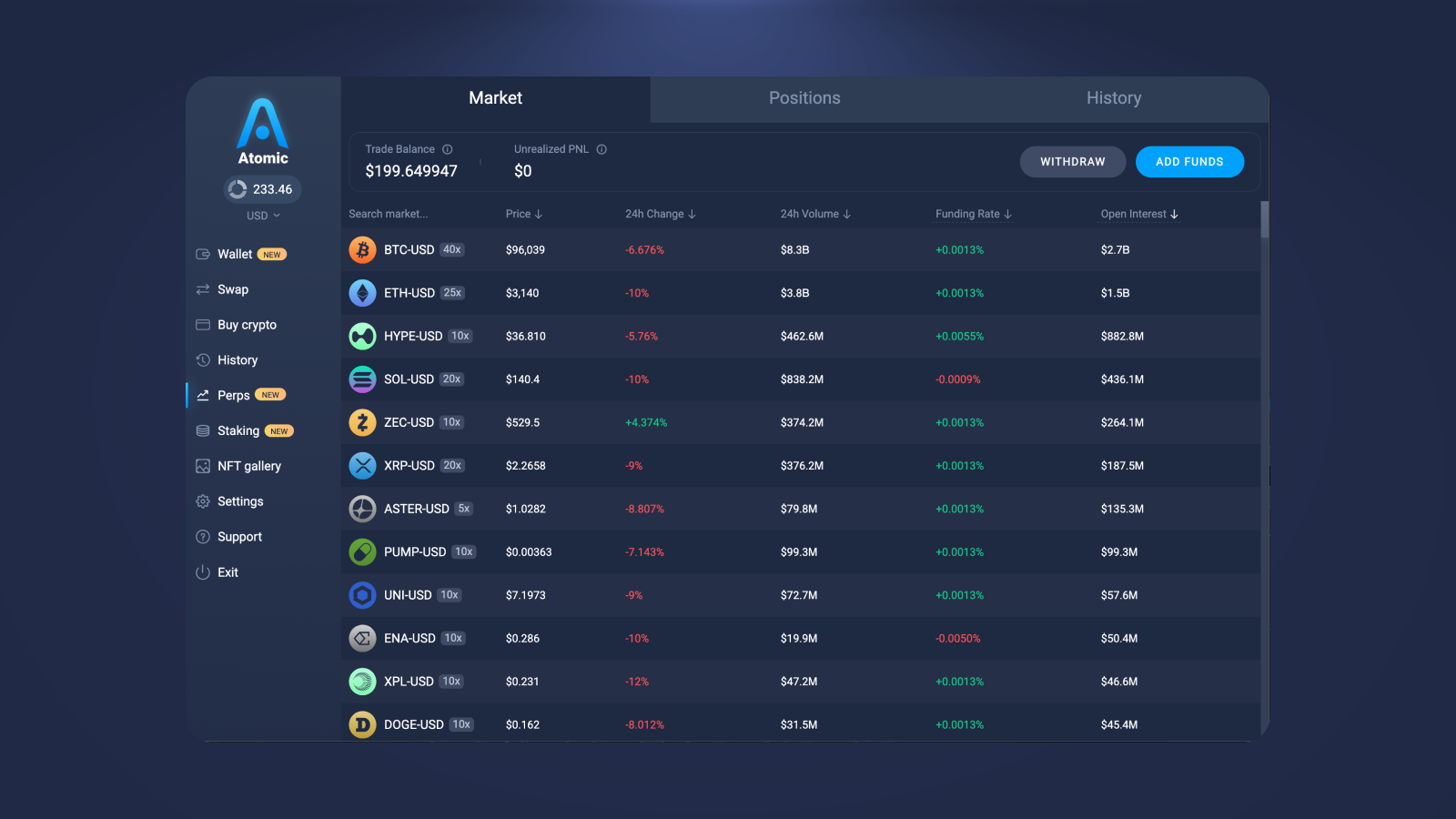
3. Automated Margin Calls: Set up automated alerts and adjustments on platforms like Hyperliquid alternatives (Aster DEX, Jupiter Perps) to maintain margin ratios. This mitigates liquidation risks in unified systems, but verify bot reliability amid high volatility like BTC’s 24h -4.06% drop.
-
4. Liquidity Forecasting: Predict liquidity on order-book DEXs like Hyperliquid, Lighter, Grvt using volume data (e.g., Aster DEX’s $10B+ days). Essential for cross-chain perps, but account for sudden dries in shared pools to prevent slippage.
-
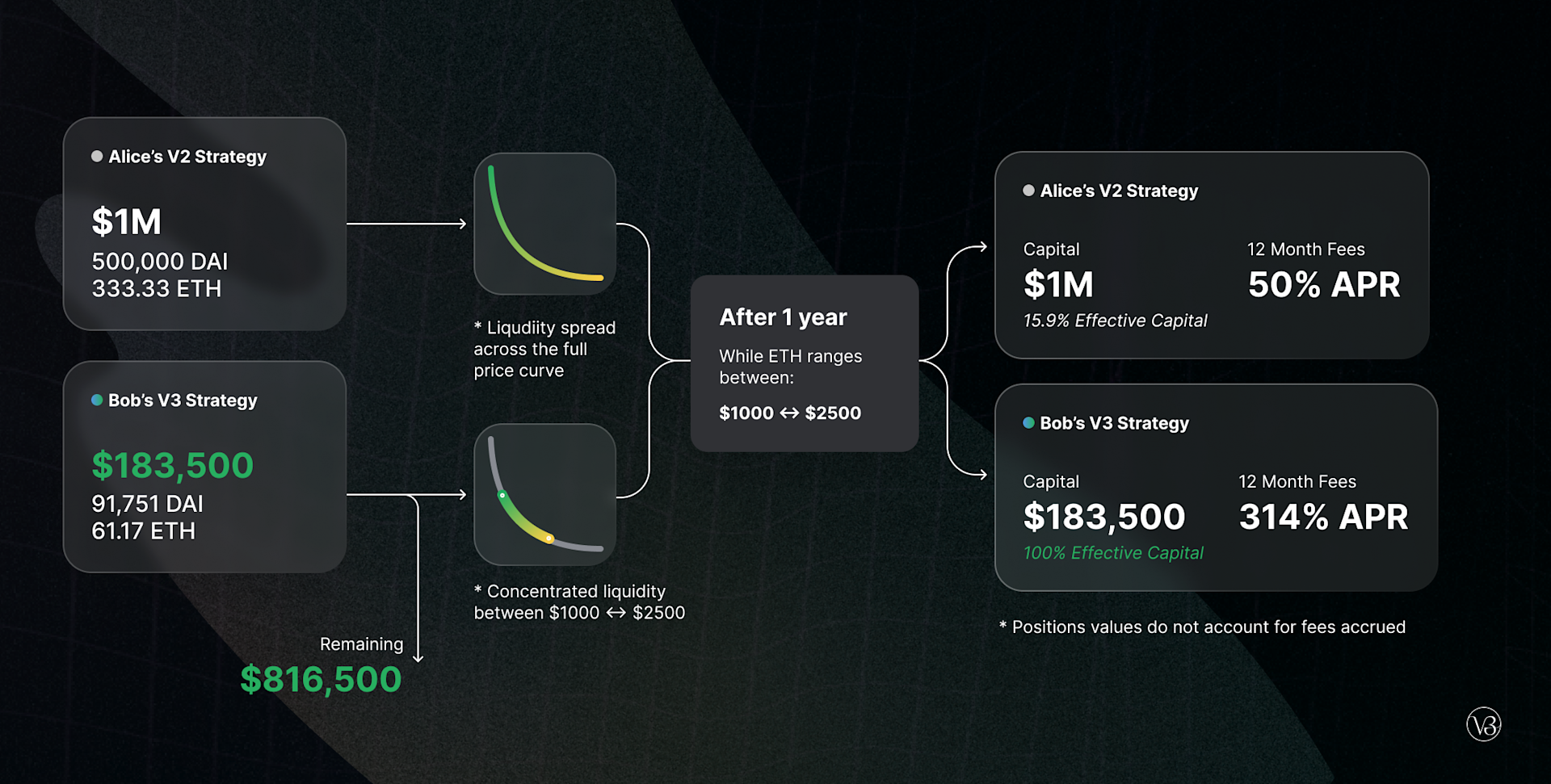
5. Post-Liquidation Recovery Plans: Prepare re-entry strategies post-liquidation, leveraging unified margin recoveries on Uniswap V3 or OKLONG. Focus on disciplined capital reallocation, as cross-margin amplifies both gains and systemic risks.
From 14 years in derivatives, I’ve witnessed unified margin evolve from CEX gimmicks to DeFi necessity. World Markets’ all-in-one DEX unifies spot and perps admirably, but lacks Onchainperpmargin. com’s granular risk controls. Jupiter Perps hybrids intrigue, yet cross-chain lags. As 2026 unfolds, with BTC’s volatility underscoring fragilities, platforms ignoring these integrations will fade.
Implement these tactics cautiously. Over-reliance on automation breeds complacency; pair it with daily reviews. Scale into positions gradually, targeting 1-2% risk per trade. In my consultations, protocols adopting similar engines cut client liquidations by 40%. For cross-margin perpetuals 2026, the mantra holds: anticipate correlations, not chase yields.
Bitcoin’s path from $67,675.00 high to $64,826.00 tests resolve, but unified margin traders emerge stronger. Onchainperpmargin. com equips you with tools to thrive amid uncertainty, turning multi-chain chaos into controlled opportunity. Risk managed is profit maximized.